Oct 8, 2026Teams & Events
Sales Team Apparel for Client Meetings: What to Order
Choose sales apparel around the client setting, fit and branding. A practical guide to polos, sample checks, size collection and a clear order brief.
Choose sales team apparel for client meetings around the customer's dress code, the team's working day and the fit of the actual garment. A coordinated polo can be a useful starting point for business-casual visits. More formal meetings may call for tailored clothing. Your order should specify the garment, logo, fit and delivery requirements before quantities are finalized.
The aim is a team that looks prepared and feels comfortable sitting, presenting and traveling. That takes more than putting the same logo on every shirt.
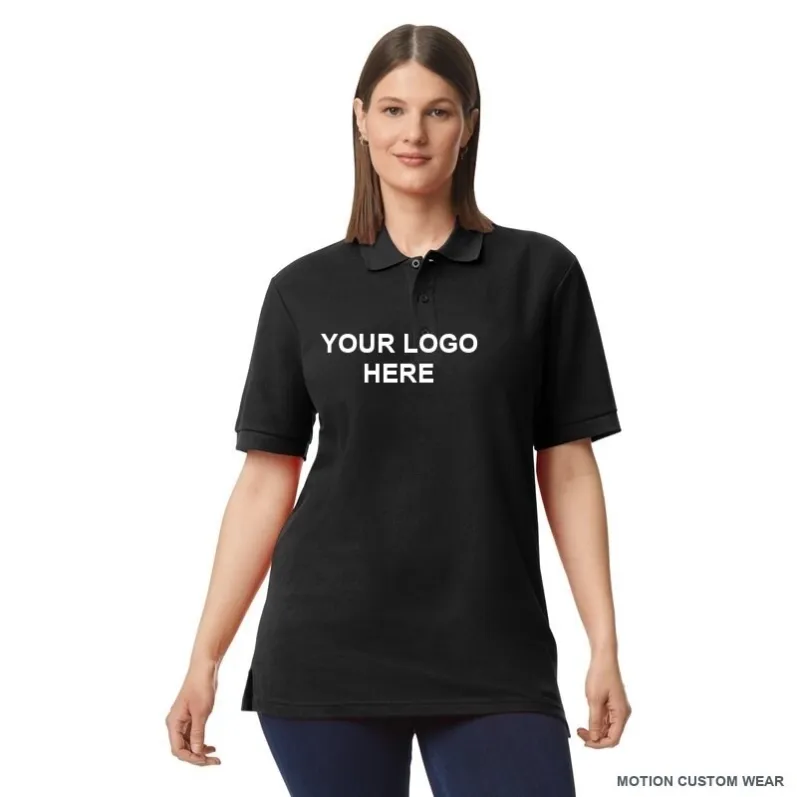
Start with the meeting, then choose the garment
Use the situations your representatives encounter most often to build a short product list.
• Meeting setting: Business-casual customer office • Starting point to discuss: Short-sleeve polo • What to check on a sample: Collar appearance, opacity, seated comfort and logo visibility
• Meeting setting: Cooler office or showroom • Starting point to discuss: Long-sleeve polo • What to check on a sample: Sleeve length, cuff comfort and movement under a layer
• Meeting setting: Formal presentation • Starting point to discuss: Tailored outfit appropriate to the client's expectations • What to check on a sample: Fit, coordination and whether visible branding is suitable
• Meeting setting: Customer site followed by an office meeting • Starting point to discuss: Apparel selected for both settings • What to check on a sample: Site dress requirements, movement and a practical change or layer
Treat this as a planning guide, not a universal dress code. A customer site may have requirements that ordinary branded apparel does not meet. Confirm those requirements before choosing a uniform.
For a polo comparison, start with Motion's
223 GSM piqué polo
and 210 GSM long-sleeve polo
. They are separate styles with their own specifications. Fabric weight alone does not tell you which one will feel better throughout a sales visit.Give the logo a defined role
For a meeting where representatives sit across a table, begin by reviewing a modest chest placement. Check that the mark remains legible at the proposed size and does not dominate the garment. A trade-show booth may call for different visibility; one layout does not need to serve every event.
Include the artwork file, placement, finished dimensions and color reference in the brief. Ask which decoration method suits the selected fabric and design. Small lettering, dense embroidery and large print areas deserve particular attention on the sample.
A digital mockup can help you agree on layout. A decorated physical sample lets you assess the result on the actual fabric. Review both for the decisions they can support.
Collect sizes against the selected style
Do not gather a list of S, M and L sizes before the team has seen the relevant chart. A medium from one style is not a reliable substitute for a medium from another.
Record the selected style, fit preference, size and quantity for each wearer. If you offer more than one cut, use a separate chart and order line for each. Let people choose the fit they want; do not assign cuts solely by gender.
The
unisex and women's fit guide
explains how to compare measurements without using a fixed size conversion. Where fit is uncertain, agree on the sample process before committing the full order.Test a sample through the working day
Review the garment while standing, seated and reaching forward. Check the collar in the posture used for video calls, the hem while seated and the sleeves during a presentation. If the team travels, inspect how the sample looks after being packed and unpacked.
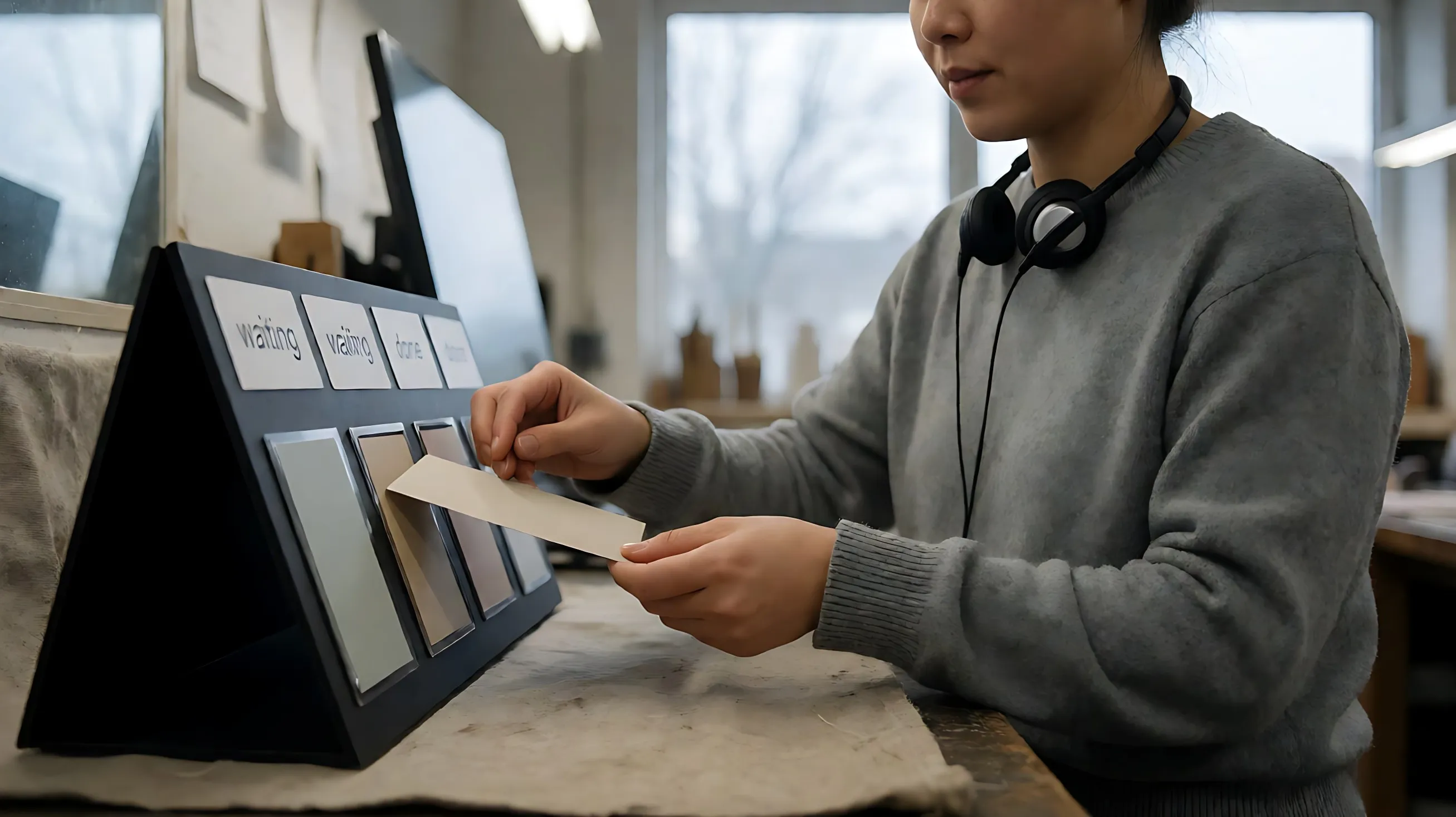
Follow the supplied care instructions when assessing laundering. Record the observations that matter to your team. Avoid assuming that a fabric name, weight or “performance” description proves wrinkle resistance or long-term wash performance.
Use the approved sample and written specifications together. If something changes before production, resolve the change before treating the new version as approved.
Make the quote easy to compare
Send a brief that contains:
• The product links and meeting settings.
• Quantity by style, color, fit and size.
• Logo artwork, decoration placement and dimensions.
• Any label, individual packing or distribution requirements.
• Delivery destination and required arrival date.
• The sampling and approval steps you need.
Ask the quotation to distinguish garment, decoration, sampling, packaging and delivery costs where applicable. Confirm whether minimum quantities apply per style, design, color or cut. A combined team total does not automatically mean every variation qualifies for the same terms.
Keep a copy of the approved order details for new hires and replacements. Future availability, pricing and timing should still be confirmed when you reorder.
Common questions
Are polos suitable for client meetings?
They can be suitable where the customer's dress code is business casual. Check the setting first, then review fit, condition, branding and coordination with the rest of the outfit.
Should everyone wear the same cut?
A consistent design does not require an identical cut. Confirm which fits are available for the chosen product and collect sizes against each style's chart.
How many spare garments should we order?
Base the allowance on your hiring plans, replacement needs and past fit swaps. Ask for the cost of the proposed size breakdown instead of applying an arbitrary percentage to every team.
Plan your sales team's order
Send Motion your preferred polo links, logo, size breakdown, destination and required date. Include any fit questions or sample requirements so they can be addressed in the quotation.
Request a sales team apparel quote
.