Rush Orders: What You Are Actually Buying (and What You Are Not) | Motion
A rush premium buys production capacity and freight speed — nothing else. What the 20% rush fee covers, what it cannot compress, and the four questions that decide whether rush is worth it on your ord
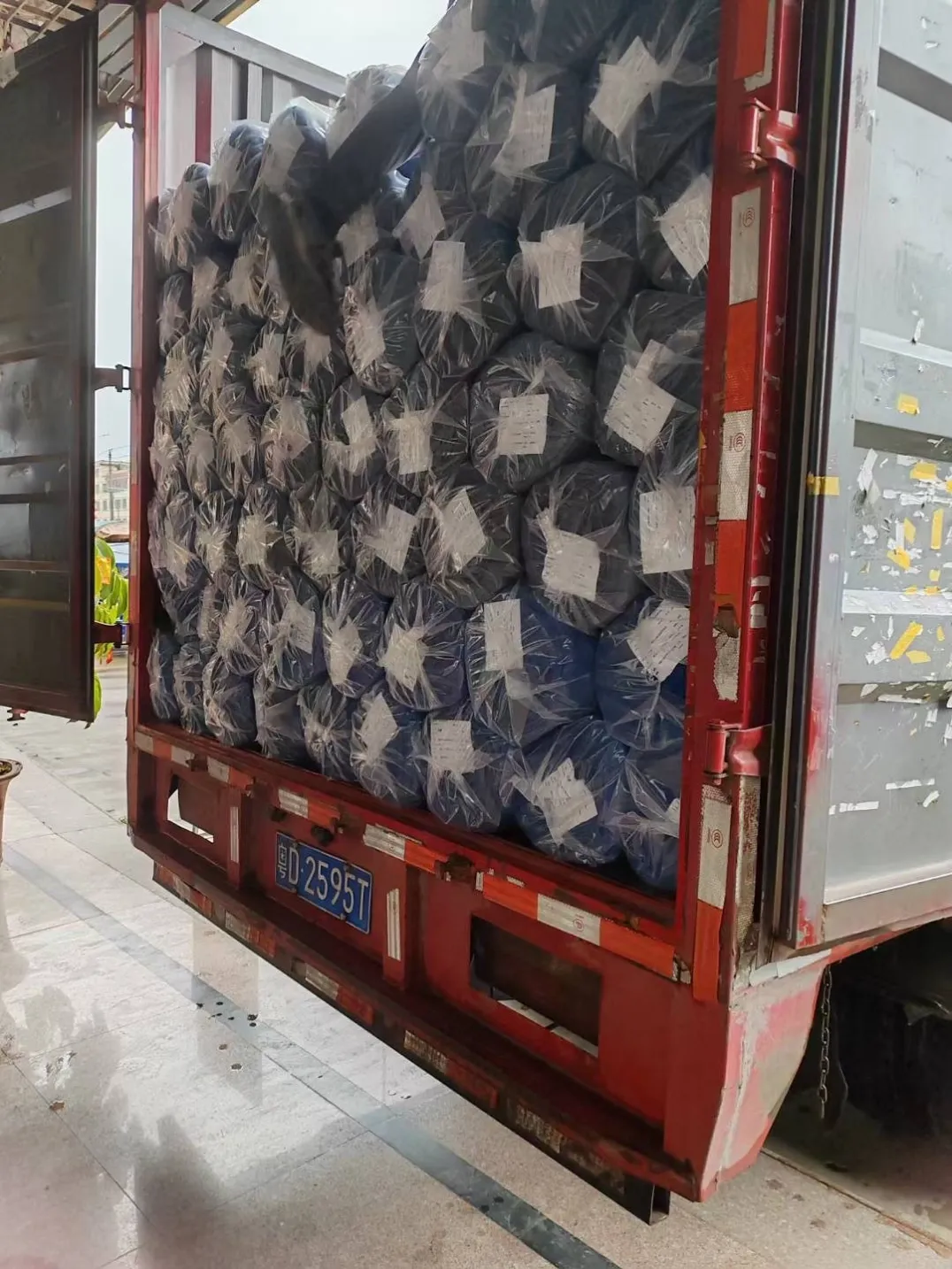
A rush premium is not a magic word — it is the price of two specific things: production capacity moved ahead of the queue, and freight speed between points. It does not buy a better garment, a skipped approval, or a recovered week that was lost to a late decision. Buyers who know exactly what the fee buys use it well; buyers who treat it as a deadline-reset button pay for capacity and lose the days anyway. This article itemises what a rush order actually buys — on our floor the rush premium is 20% over the standard quote — and the four questions that tell you whether your order deserves it.

What the Rush Fee Covers
Two levers move when you pay for rush, and the fee prices both:
• Lever | What rush does to it | What it feels like
• Production slot | Your order moves ahead of the standard queue into reserved capacity | Days come off the front of the production window
• Freight | Faster mode: air instead of sea, premium courier instead of standard | Days come off the back of the timeline
Everything else in the chain stays the same length or gets shorter only as a side effect. And the two levers have different economics: the production slot is capacity someone else gives up (that is the 20%), while the freight upgrade is priced by the market per lane and passes through separately. A rush quote itemises them — the slot premium and the freight difference are visible lines, not one blended "expedite fee", because they are bought and lost differently.
What Rush Cannot Compress
Four stages are immune to the premium, and a rushed order that ignores them pays for nothing:
1. Artwork finalisation. A design that is not finished does not become finished by paying. The clock starts at art approval, and rush capacity booked before approval is capacity paid for while nothing runs.
2. Proof and sample approval. The approval gate protects the run — rush compresses the queue, not the checking. A compressed sample round on a rushed order is the single most expensive corner to cut, because a misprint discovered at delivery has no time left for a remedy.
3. Roster and size-list lock. On team orders the roster lock sits before production; rush does not move it. A roster that is still changing on the day the rush line starts will print wrong names at rush prices.
4. Customs and last-mile. Freight speed buys port-to-port; the queue at destination customs and the last mile run on their own calendar (sea-to-air saves the ocean, not the border).
The pattern behind all four: rush buys capacity and speed, not decisions. The stages that depend on your decisions — art, approval, roster — are yours to finish on any timeline, and finishing them late is what a rush fee can never repair. This is the same boundary the
full timeline breakdown
draws between buyer-side stages and factory-side stages.The Four Questions That Decide Whether Rush Is Worth It
Run the order through these before paying the premium:
1. What stage is actually late? If the late stage is buyer-side (art, roster, approval), rush is paying to wait. If the late stage is production or freight, rush buys back real days.
2. How many days does it actually buy? Count the days the slot upgrade saves plus the days the freight mode saves — itemised on the rush quote. A rush that buys two days for a problem that needs ten is not a rescue.
3. Is the deadline real or soft? A trade-show booth day, a season opener or a launch date is real: rush is justified. A deadline that can move a week is not rush territory — it is a scheduling conversation.
4. Does the rushed run carry the risk well? A rushed order compresses checking time. Small, simple runs carry that fine; large multi-colour runs with personalisation are the worst candidates, because their error surface is the largest and their remedy window is the shortest.
Three yeses with real days attached — pay the premium and treat the approval gate with double care. Fewer than that — the honest answer is usually a simpler run or a moved date.
Paying for Rush Without Wasting It
Three habits make the premium effective when it is justified:
- Buy rush once, at the start. Price the rush WITH the quote and book the slot at PO — rush capacity is real inventory that expires, and the
payment that releases production
is what starts the clock, not the handshake. Buying rush in week two after losing week one to decisions is the classic double payment.- Compress the buyer-side stages for free. The days that matter most are free to shorten: finished artwork at RFQ, a one-round approval plan, a locked roster before the line starts. Rush on top of that is pure speed; rush instead of that is pure cost.
- Check whether ordering more beats rushing. If the real problem is a later top-up at small-quantity pricing, compare the rush premium against simply
ordering up to the next quantity break
now — the tier discount sometimes pays for the whole premium and removes the second order entirely.Frequently Asked Questions
How much does rush production cost?
On our floor the rush premium is 20% over the standard quote, charged for the production slot; the freight upgrade is quoted separately per lane, since air versus sea pricing moves with the market. Both appear as itemised lines on a rush quote.
How many days does rush actually save?
Commonly several days off production (the slot upgrade) plus the air-versus-sea difference off freight — the rush quote itemises both. What it never saves: days lost to unfinished artwork, unapproved proofs or a late roster.
Can rush skip the sample or proof approval?
No — and it should not. The approval gate is what stops a misprint from shipping; rush compresses the queue, not the checking. Compressing the sample round on a rushed order is the most expensive corner to cut in custom apparel.
When should I NOT pay for rush?
When the late stage is buyer-side (art, roster, approval still open), when the premium buys fewer days than the problem needs, when the deadline can honestly move a week, or when a large personalised run would carry its compressed-checking risk badly. In those cases a moved date or a simpler run is the cheaper rescue.
Can I rush only part of my order?
Yes — splitting is often the smart shape: rush the date-critical portion (the staff kit, the opening-day set) and let the balance ship on the standard schedule. The rush premium then applies to the rushed portion only, and the bulk rides its normal slot.
Is rush shipping available to my country?
Freight upgrades are lane-dependent — air services cover most destinations our DDP and DAP lanes reach, and the freight line on the rush quote names the mode and days. Ask at quote time: freight capacity, like production slots, is inventory with an expiry.
Working against a hard date?
Send the deadline with the artwork — we will return the standard timeline, the rush itemisation (20% slot premium plus freight) and the approval dates that keep the rush honest, so you can decide with the real days on the table.