Retail-Ready Packing: Polybags, Size Stickers and Carton Specs | Motion
Garments headed for shelves or fulfilment need more than a bulk carton. What retail-ready packing adds — individual polybags, size stickers, barcodes, carton marking — and what each layer costs.
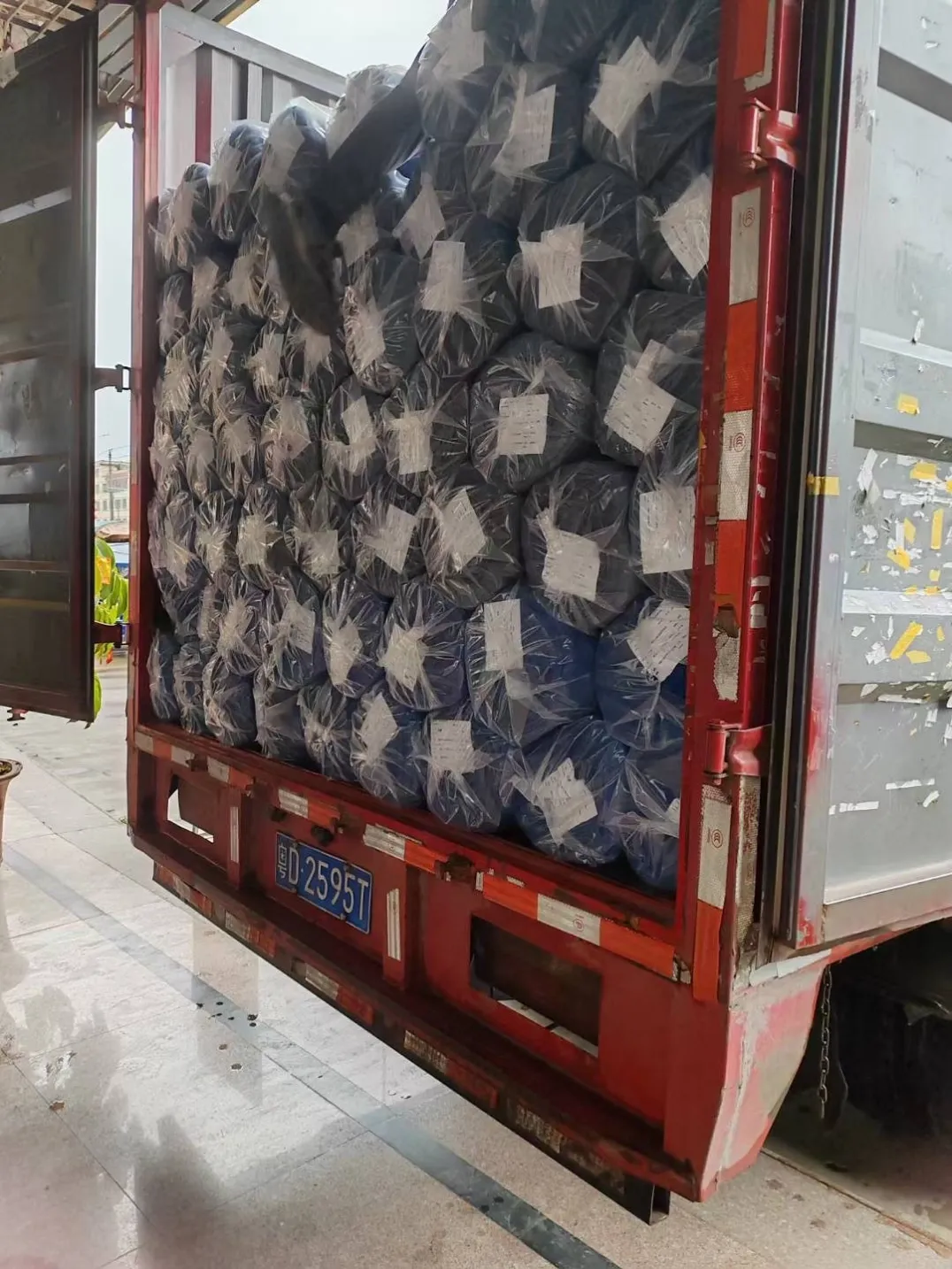
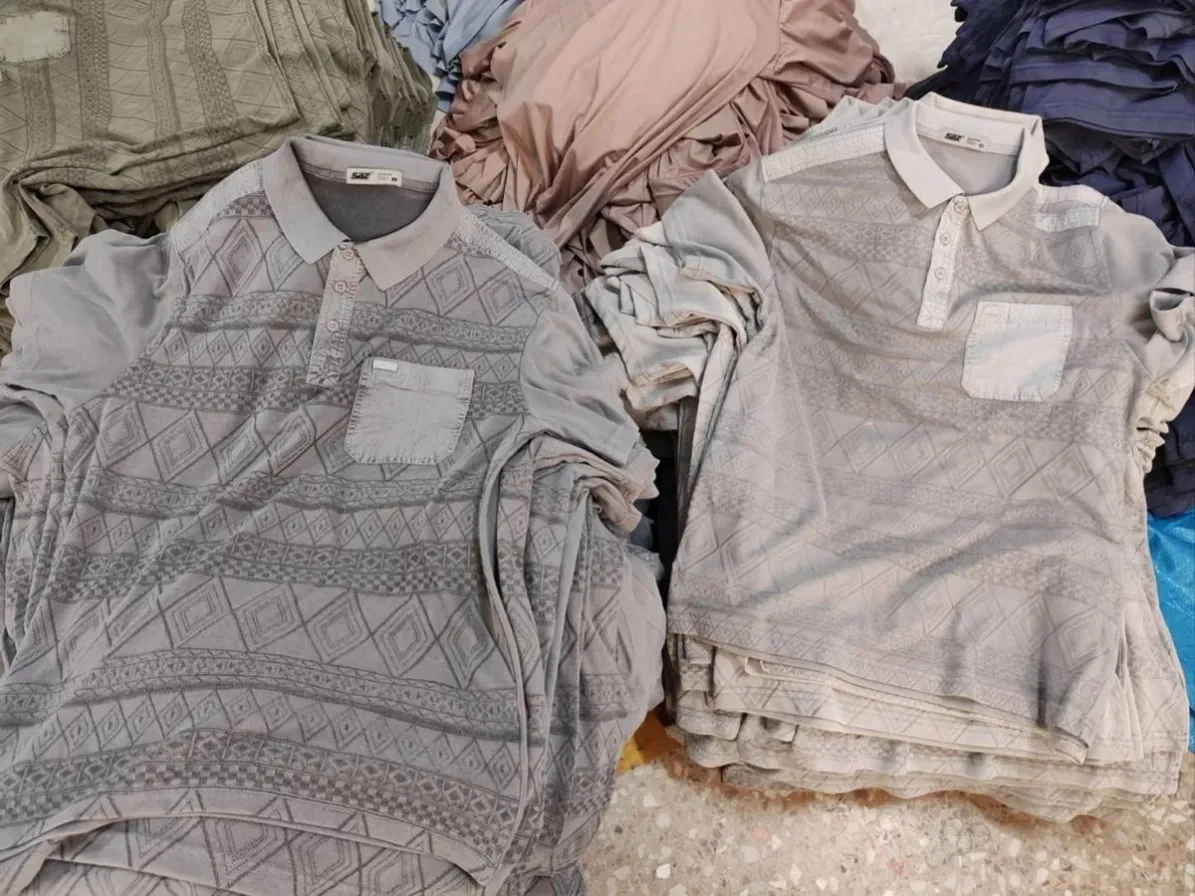
A carton headed for your own storeroom and a carton headed for a retail shelf travel the same sea but live different lives after arrival. Bulk-packed garments get counted, sorted and issued by people who already know the goods; retail garments get received, scanned, priced and shelved — often by people who have never seen them, against a system that only knows what the barcode says. Retail-ready packing is the layer that makes that second life work: each garment bagged and identified, each carton labelled to be received without opening. This article walks the layers, what each adds, and what they cost. (The branded trims that go INSIDE the garment are in
private label trims
; the moisture and carton-strength layer that protects goods in transit is in export packing and moisture protection — this article is the layer between them, built for the retail or fulfilment destination.)
The Three Layers of Packing, and Who They Serve
• Layer | What it is | Who it serves
• Transit layer | Cartons, desiccant, strength spec, container plan | The freight forwarder and the port
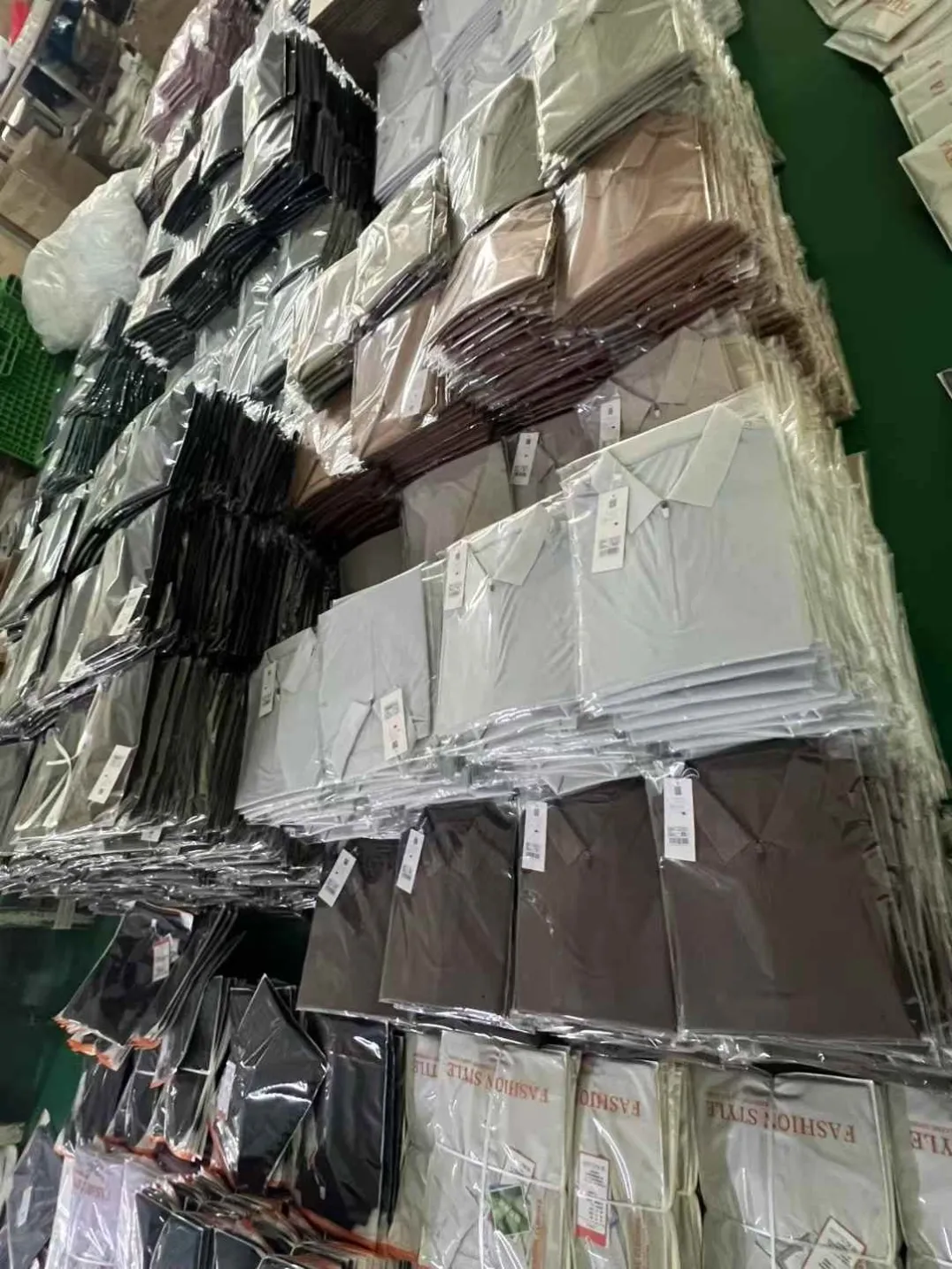
• Retail-ready layer | Individual polybags, size stickers, barcodes, carton marking | The receiving clerk, the store system, the shelf
• Presentation layer | Branded polybags, hangtags, branded tape | The end customer at the shelf
Most packing problems in retail channels are layer confusion: goods protected for transit but identified for nobody, or beautifully branded cartons that a receiving system cannot scan. The retail-ready layer is the one this article focuses on — the least glamorous and the one that decides whether goods flow or pile up.
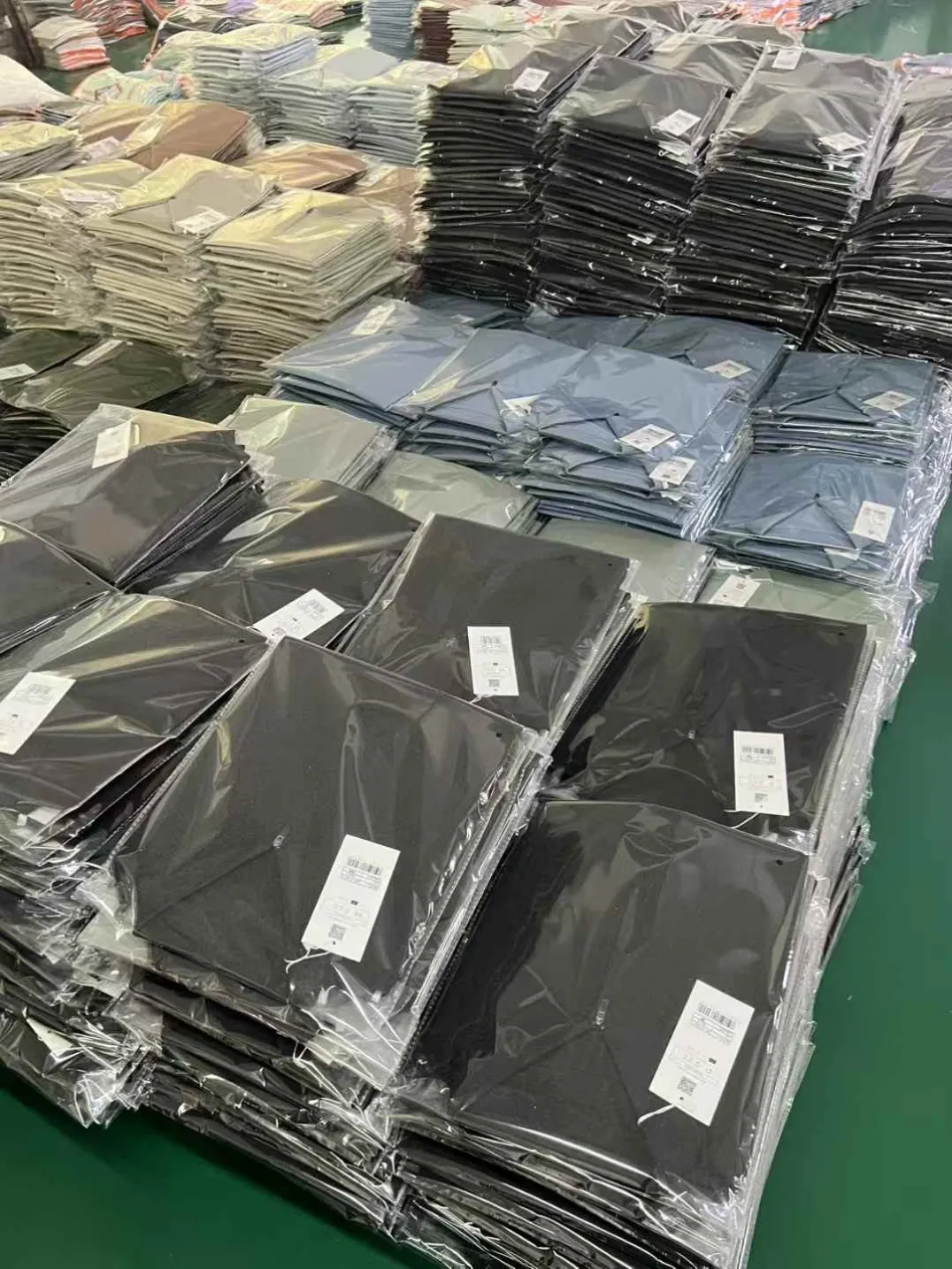
What Retail-Ready Adds, Piece by Piece
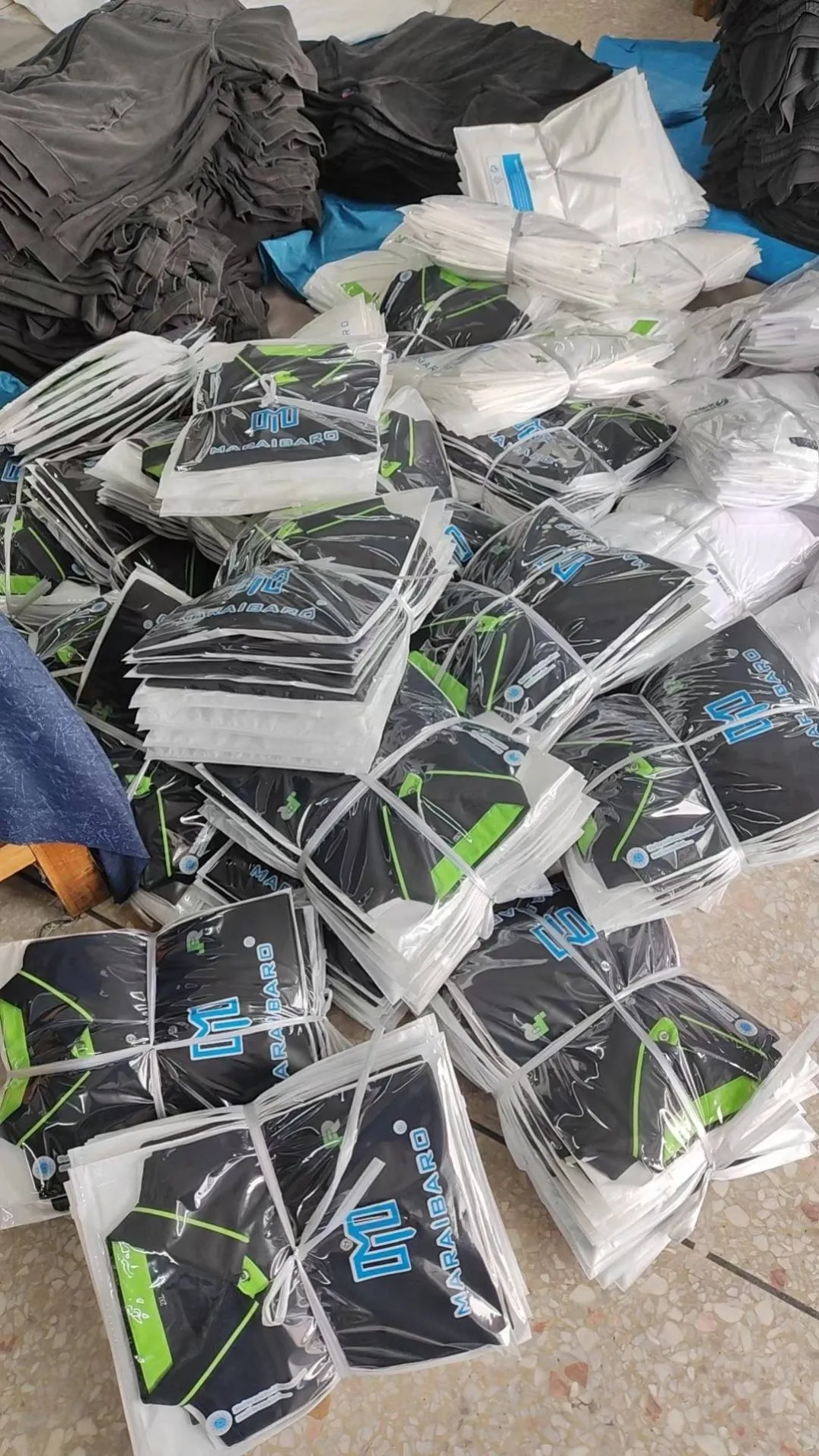
Individual polybags. Each garment bagged — dust protection between shelf and fitting room, and the unit of resale. Bags carry a suffocation warning print for most markets; polybags are quoted per piece and add modest per-unit cost. Sizes: bag to the folded garment, not to the wearer — a bag twice the garment size looks cheap on a shelf.
Size stickers and garment labels. The size on a sticker applied to the bag (or a size tag on the garment) is what a picker or shelf-staffer reads without unfolding. Stickers print in runs against your size breakdown — cheap per unit, and the single highest-leverage line in retail-ready packing because it removes the "unfold to identify" step at every stage after arrival.
Barcodes (UPC/EAN) and ticketing. If your channel scans — retail POS, marketplace fulfilment, consignment — each style-size combination needs its barcode, printed on the bag sticker or a swing ticket. Two things to settle early: the barcode numbers come from YOUR account (GS1-registered), not the factory's, and the factory prints and applies them against your list. Barcode ticketing is a per-unit line plus a setup for the label stock.
Carton marking. The outer carton carries what the receiving system matches on: style number, colour, size ratio, quantity, carton number of total ("Carton 3 of 12"), and any channel-specific labels (FULFILMENT-style labels arrive as PDFs from your platform and go on the outside). A carton marked this way can be received, shelved and billed without opening — which is the entire business case for the layer.
Size-ratio packing (solid vs. assorted). Cartons ship either solid (one size per carton — clean for replenishment systems) or assorted (a size curve per carton — clean for single-location retail). The choice is yours per channel; it is declared in the packing spec so the factory packs to plan and the carton labels tell the truth about what is inside.
What the Layer Costs
Every add is a per-unit line plus occasional setup — visible on the quote, not hidden in unit prices:
• Add | Cost shape | Setup
• Individual polybag | Cents per unit | Print plate for warning/branding
• Size sticker application | Cents per unit | Sticker print run
• Barcode ticket (print + apply) | Cents per unit | Label stock setup
• Carton marking | Included in most quotes; detailed multi-line marking adds a small per-carton line | Carton artwork
• Solid-ratio packing | No cost — a packing-plan choice | —
On a five-hundred-piece retail order the whole retail-ready layer commonly lands in the low single-digit percentage of goods value — small against the margin a retail channel makes, and trivial against the cost of goods a warehouse cannot receive. The trims that ride INSIDE the bag (woven labels, hangtags) have their own minimums and economics, covered in the
trims article
.The Packing Spec: What to Write Down
One sheet closes every gap between your channel's requirements and the factory's packing line:
• Spec line | Example
• Bagging | Individual polybag with warning print, bagged to fold
• Size marking | Size sticker on bag, front-left position
• Barcodes | EAN per style-size per the attached list, on bag sticker
• Carton marking | Style / colour / size ratio / qty / carton x of y
• Packing plan | Assorted ratio S:2 M:4 L:4 XL:2 per carton (or solid per size)
• Transit spec | Per the export packing standard — carton strength, desiccant, container plan
Attach the barcode list and carton artwork as files, and the packing line runs to paper — the same written-spec discipline that protects the goods in transit packing and the kitting accuracy in per-person packing.
Frequently Asked Questions
Do I really need individual polybags for a retail channel?
If goods move from your receiving to a shelf, a marketplace warehouse, or consignment — yes. Bags protect between points and give each unit a surface for size and barcode. For a team taking delivery direct, bulk cartons remain the honest answer.
Who provides the barcodes?
You do — barcode numbers come from your GS1 account or your channel's system. The factory prints and applies them against your list. Never let a factory invent barcode numbers; a barcode that scans to their number is your inventory talking in someone else's voice.
Solid or assorted cartons — which should I choose?
Follow your channel: replenishment systems and multi-store retail favour solid cartons (one size, easy to allocate); single-location retail and events favour assorted (one carton covers the curve). Declare the choice per order — the factory packs either, but only one per style at a time.
What does retail-ready packing add to cost?
Commonly cents per unit across bag, sticker and ticket, plus small setups — low single-digit percent of goods value on typical retail orders. It shows as named lines on the quote, never hidden in the unit price.
Can cartons be marked for a marketplace fulfilment centre?
Yes — the channel's carton labels arrive as PDFs from your seller account and go on the outer cartons against the packing plan. Send the PDFs with the order and confirm placement in the packing spec, since misplaced channel labels are the top cause of fulfilment receiving delays.
Does retail-ready packing replace transit protection?
No — it sits inside it. Carton strength, desiccant and container planning still govern survival in transit; the retail layer governs what happens after arrival. Both belong on the packing spec, each with its own lines.
Shipping goods to a shelf or a fulfilment centre?
Request a quote with your channel named — we will return the packing spec with the retail-ready layer priced per line, bagged, stickered and marked to be received without opening a single carton.