The Reorder That Comes Back Different: Same Style, Different Goods | Motion
The style number never changed but the shipment did — shade drift, a different blank, trims that moved. Why reorders drift, which changes are legitimate, and the receiving checks that catch them.
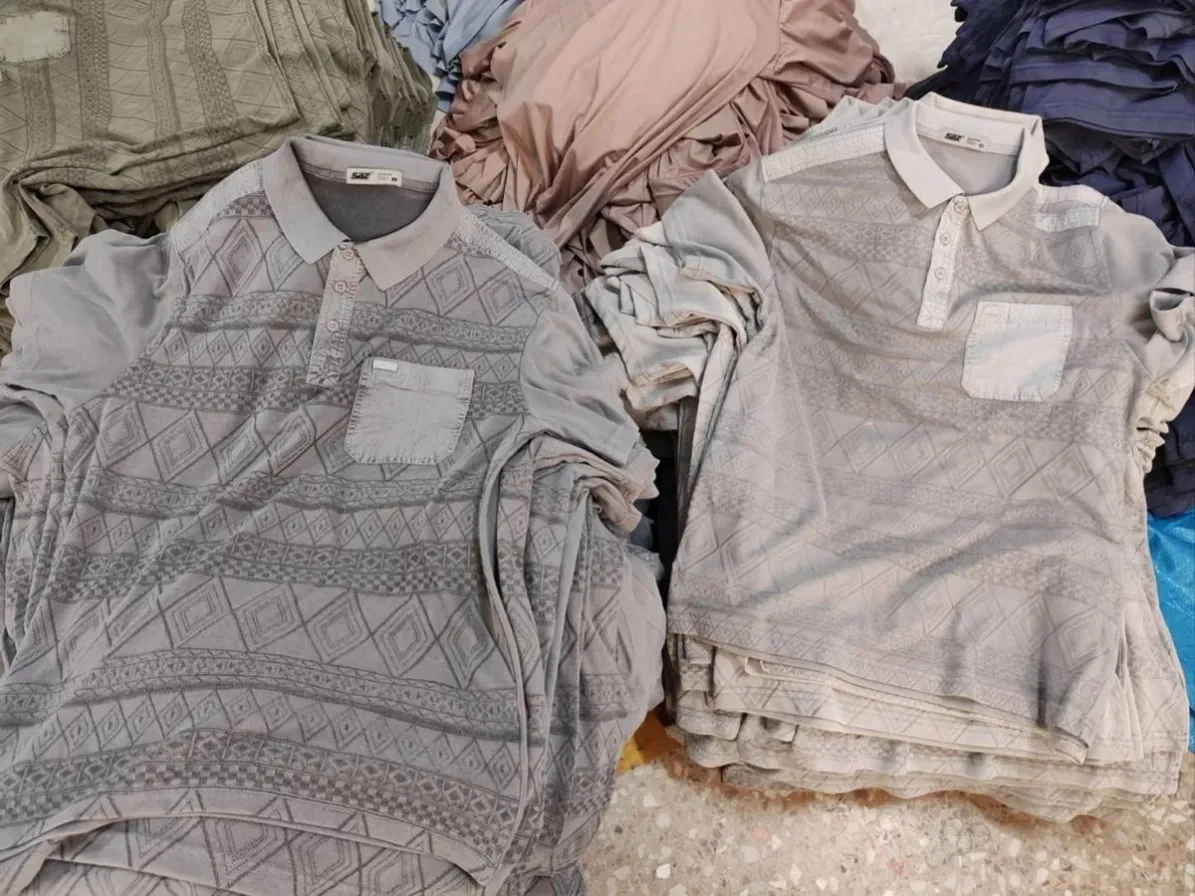
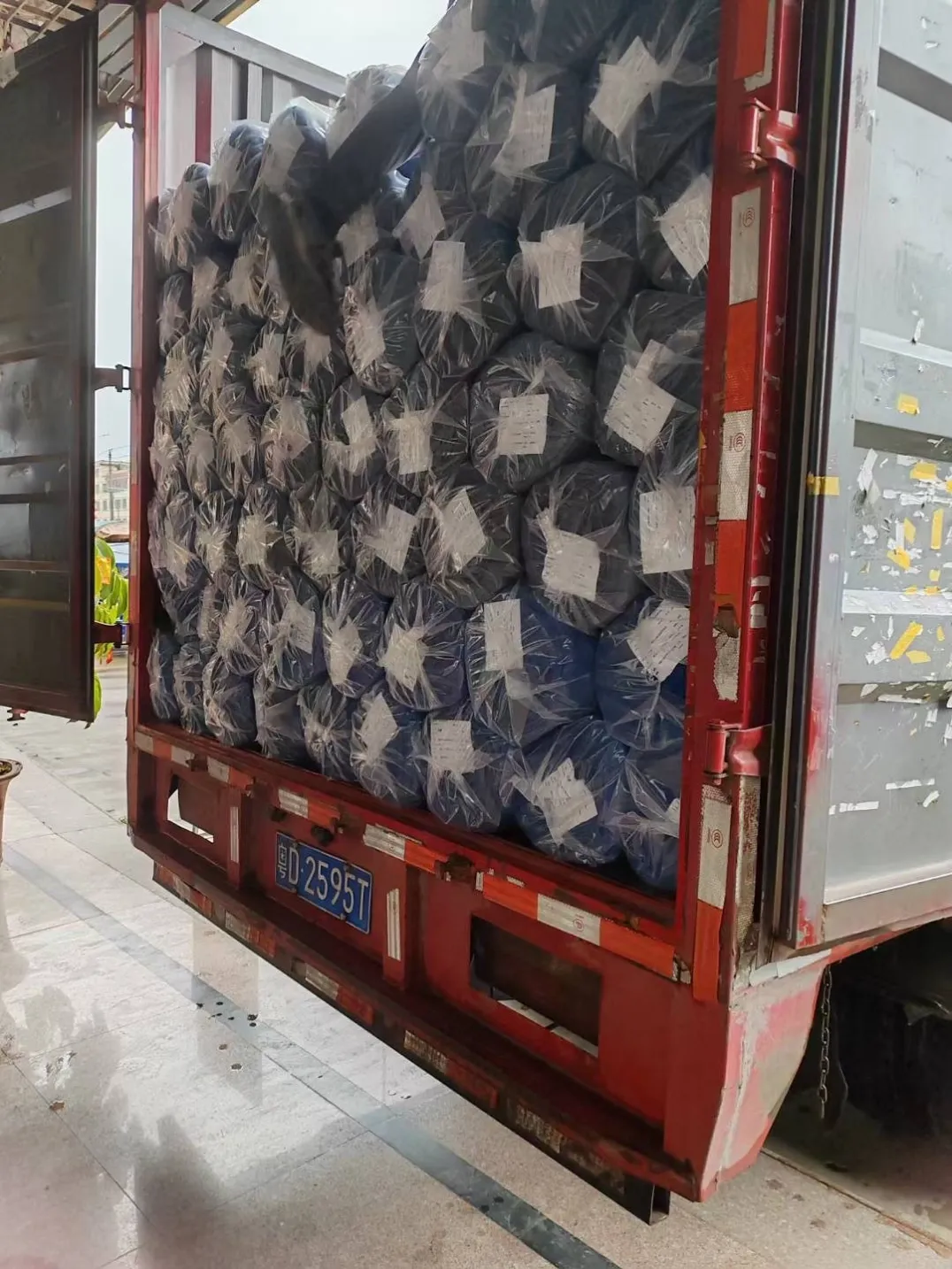
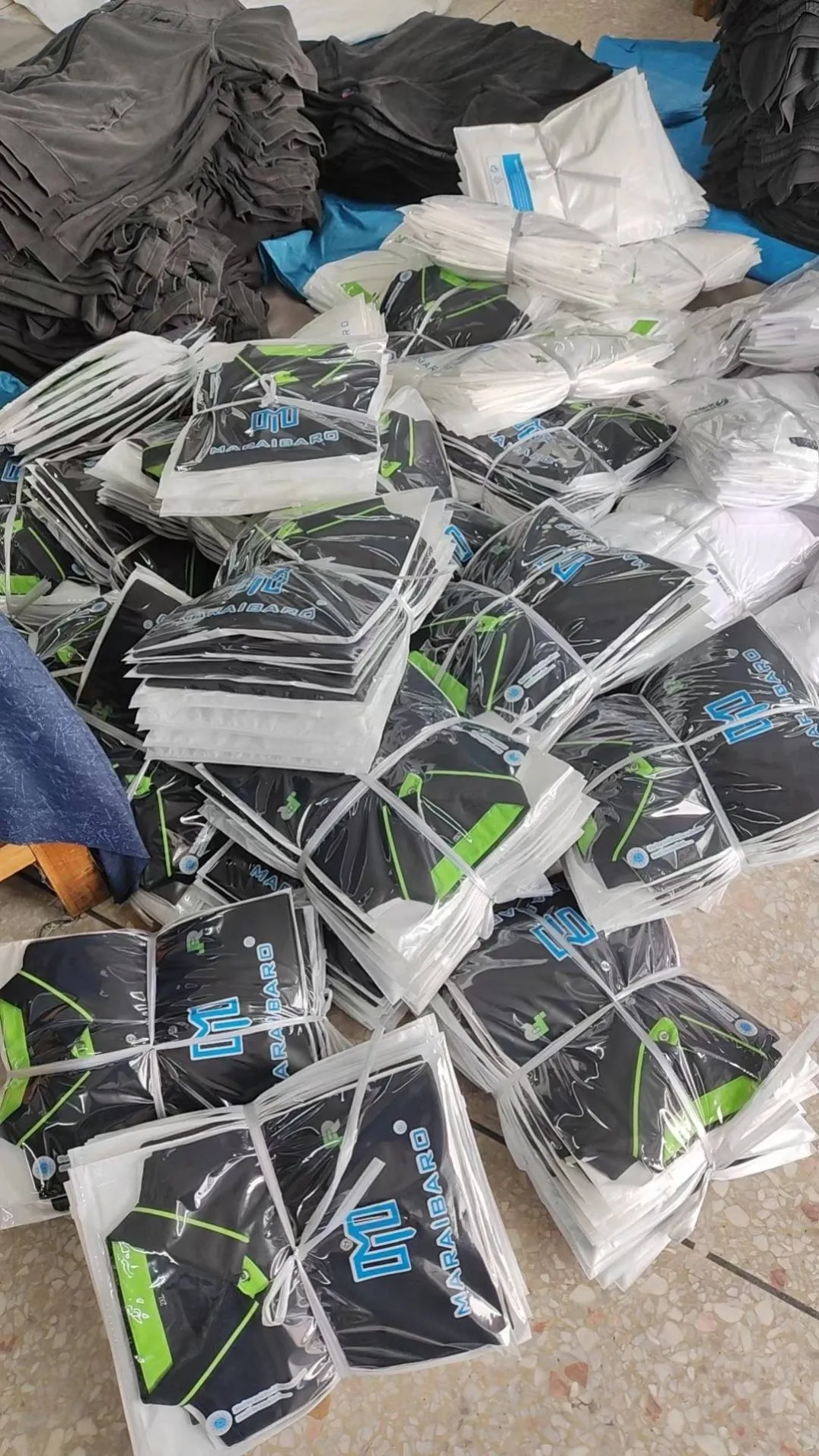
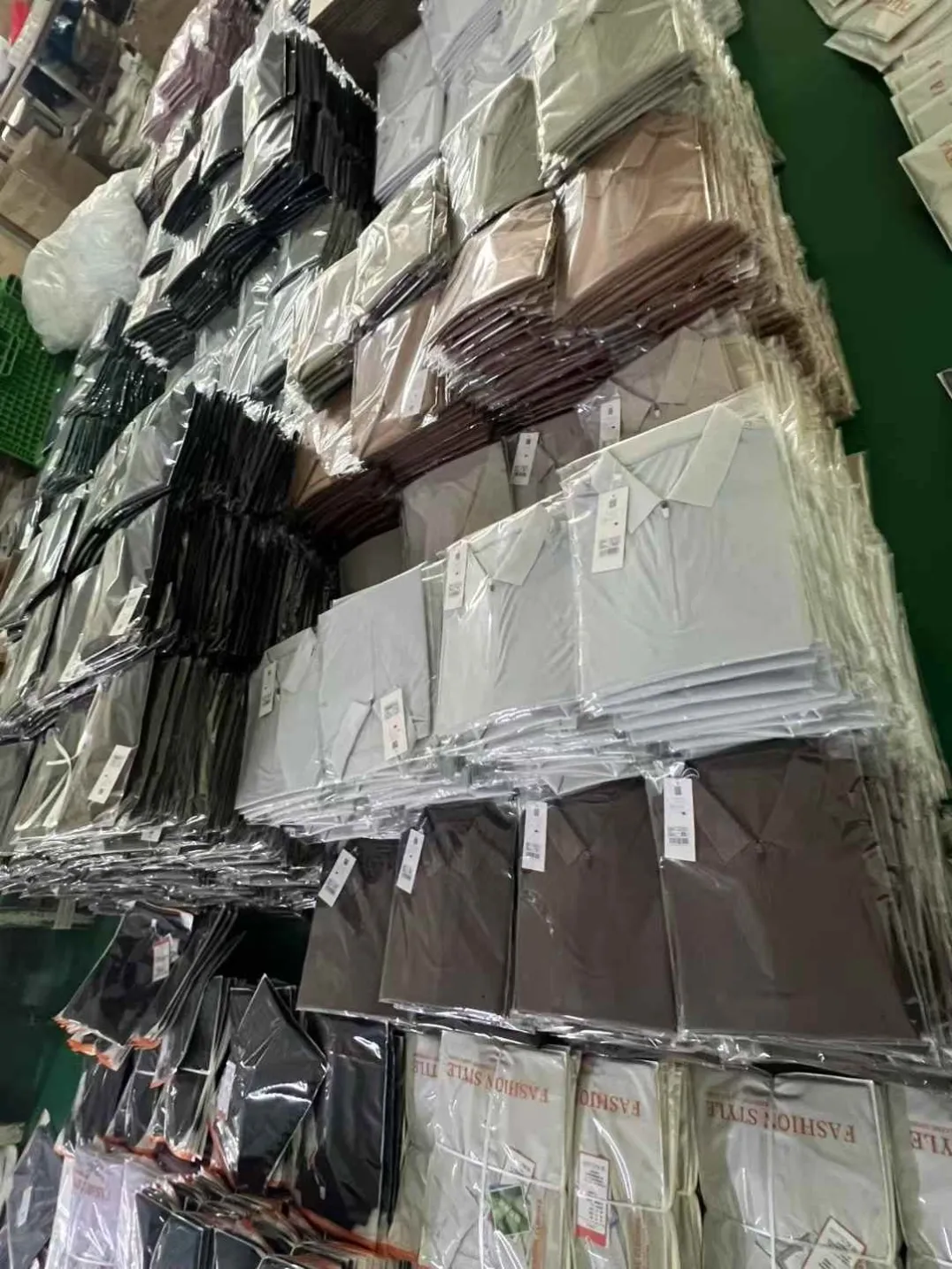
The reorder arrives, the carton label shows the same style number as last season — and the goods are not the same. A shade that sits one step off, a hand that feels thinner, a collar that stands differently. Nothing about it is dramatic, which is exactly why it slips past a casual check: every difference is small, and together they quietly break the match with the stock your team is still wearing. This article explains why reorders drift, which changes are legitimate versus which break the order, and the receiving checks that catch drift while the remedy is still cheap. (The process side — the reorder file, retention and the terms that make reorders run clean — lives in reorder consistency.)
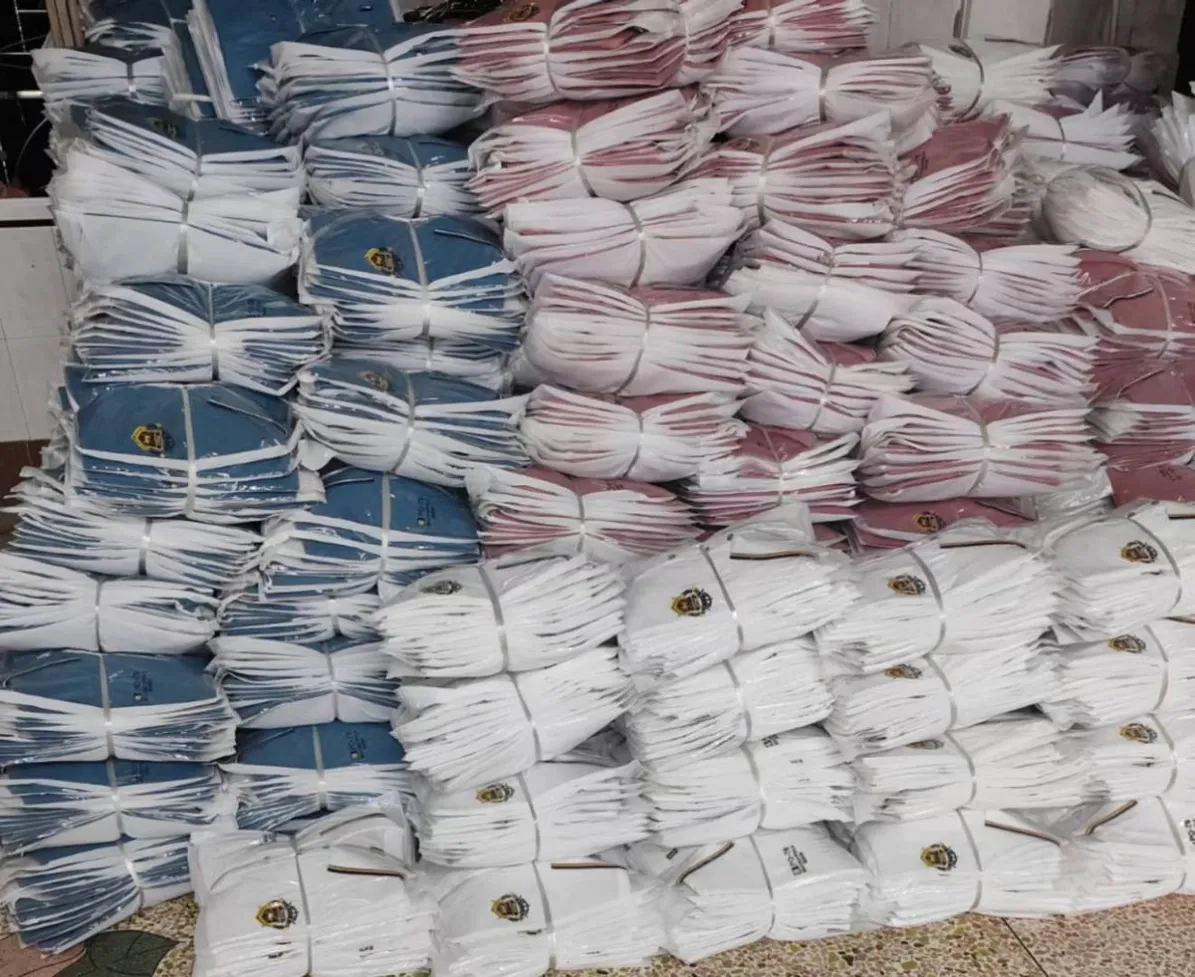
Why Reorders Drift: The Five Legitimate Reasons
Most drift is not negligence — it is physics and economics happening between two runs:
• Drift source | What changes | Legitimate?
• Dye-lot variation | A shade one step off, most visible on darks | Yes, within the agreed shade band — this is why bands exist (dye-lot control)
• Blank substitution | The base garment replaced by a "same" blank from another mill | Only with written notice and your approval
• Trims and components | Threads, buttons, zips sourced from a new vendor | Only if spec'd items were discontinued and the swap is notified
• Production line change | Different sewing lines, slightly different tolerance stack | Normal; visible only in measurement deltas
• Fabric mill lot | Same construction, different hand or weight at tolerance edge | Within GSM tolerance = legitimate; outside = a miss
Every one of these is honest business — cloth dyes in batches, mills rotate blends, component vendors come and go. The failure is never the drift itself; it is drift that happens without being named. A reorder note saying "shade may sit within the signed band vs. your retention sample" is a professional supplier. Silence is the problem.
The Two Changes That Break the Order
Against that background, two categories are not drift but substitution — and both are catchable at receiving:
- The silent blank swap. A cheaper base garment replaces the spec'd one: same silhouette at a glance, different hand, different wash behaviour, sometimes a different label sewn inside. If your first order specified a blank and the reorder ships another, the style number on the carton does not make it right — the PO's fabric fields do.
- The shade walk. Run one and run two sit at opposite edges of the band, or outside it — old stock and new stock are visibly different on the same wearer in the same room. Within the signed band, sort-and-mix is the remedy; outside it, the lot misses the spec and the band clause does the arguing for you.
Both share a root cause: the reorder was treated as "repeat the style number" instead of "re-run the spec". The spec — not the style number — is what the factory re-runs.
Receiving Checks That Catch Drift Early
A reorder inspection is lighter than a first-order inspection but sharper on comparisons. Ten minutes at receiving catches what an AQL pass misses:
1. Side-by-side against retention. One unit from the reorder next to a kept unit from the last run — shade, hand, collar stand, labels. This single comparison catches more than any checklist.
2. The carton-to-carton shade check. Open three cartons from different pallet positions; darks get the extra look for lot separation within the shipment.
3. Label and trim audit. Care label, size label, any sewn branding — same position, same content as last run. A changed care label is often the first visible sign of a blank swap.
4. Weight in the hand against spec. A GSM check on one or two units against the spec'd band; a thinner hand is the classic substitution tell.
5. Wash one before releasing the run to staff. The first wash is where a substituted fabric reveals itself — shrinkage or colour behaviour off-spec shows up before the goods are distributed.
Formal sampling still has its place for larger reorders — the
AQL terms
structure the pass/fail — but the comparison checks above are the reorder-specific layer that statistics alone do not cover.How to Make the Next Reorder Match
The fix is written before the reorder, not argued after it:
- The reorder PO references the spec file, not the style number — fabric fields, Pantone references, trim list, the signed shade band, all attached again even though nothing changed.
- The retention sample is named as the shade standard — "shade within the signed band vs. retention sample SW-0321" turns a feeling into a measurement.
- Substitution requires written notice — "any blank, trim or mill change requires buyer approval before production" closes the silent-swap door.
- Run-to-run continuity is priced honestly — a shade matched against your retention sample costs the supplier planning (reserving the mill's capacity, dyeing to your standard); that discipline is worth more than the cheapest quote on a reorder.
Run this way, the reorder question changes from "will it match?" to "which of the legitimate, named variations did it land in?" — which is the only question a spec can actually answer.
Frequently Asked Questions
The colour is slightly different from my last order — can I reject it?
Depends on the band, not the feeling. If the reorder shade sits within the signed shade band against the retention sample, it is within spec and the stock should be mixed or segregated by run. Outside the band, the lot misses and the remedy ladder applies.
Can the supplier change the blank garment on a reorder?
Only with written notice and approval. A silent blank swap — even of an equivalent-looking base — is a substitution, and the PO's fabric fields are what the factory owes you, not the style number on the carton.
Why does the same style feel thinner this season?
Either the fabric lot sits at the tolerance edge (legitimate, check against the GSM band) or the base garment was substituted (not legitimate, check the care label and hand). The weight check plus the label audit separates the two in minutes.
How do I check a reorder at receiving without a full inspection?
Side-by-side against your retention sample, three-carton shade check, label audit, a hand/GSM check against spec, and one wash test before distributing. Ten minutes, and it catches the differences that matter between runs.
What should the reorder PO say to prevent drift?
Reference the spec file and retention sample explicitly, restate the shade band, require written notice and approval for any substitution, and confirm the retention sample as the shade standard. The style number alone is not an order.
My stock from last season is worn out — I have no sample to compare. What then?
The supplier's retention sample stands in — that is what retention exists for. Ask for it to be referenced in the reorder confirmation, and if your own retention is gone, order one unit of the previous run from your own shelf stock or staff before the new run ships.
Planning a reorder and want it to match?
Send last season's order reference — we will return the reorder confirmation with the spec file, shade band and retention-sample standard attached, so the rerun starts from the spec, not from memory.