Oct 8, 2026Pricing & Quotes
Private Label Fashion Accessories: Planning Caps, Totes and Scarves
Build a clear accessories brief for caps, canvas totes and scarves. Separate product specifications from branding, labels, packaging and minimum quantities.
Start a private label fashion accessories project with a defined product, its branding details and a sample plan. For an apparel-focused collection, caps, canvas totes and scarves are useful categories to compare. Each needs its own specifications and quotation; a shared brand identity does not make them one interchangeable product.
This guide focuses on those three categories. It helps you separate the product decision from the logo, labels and packaging so that a first order has a clear scope.
Choose the accessory's role in the collection
Decide whether the item will be sold individually, paired with apparel or included in a gift kit. That choice affects which details deserve attention first.
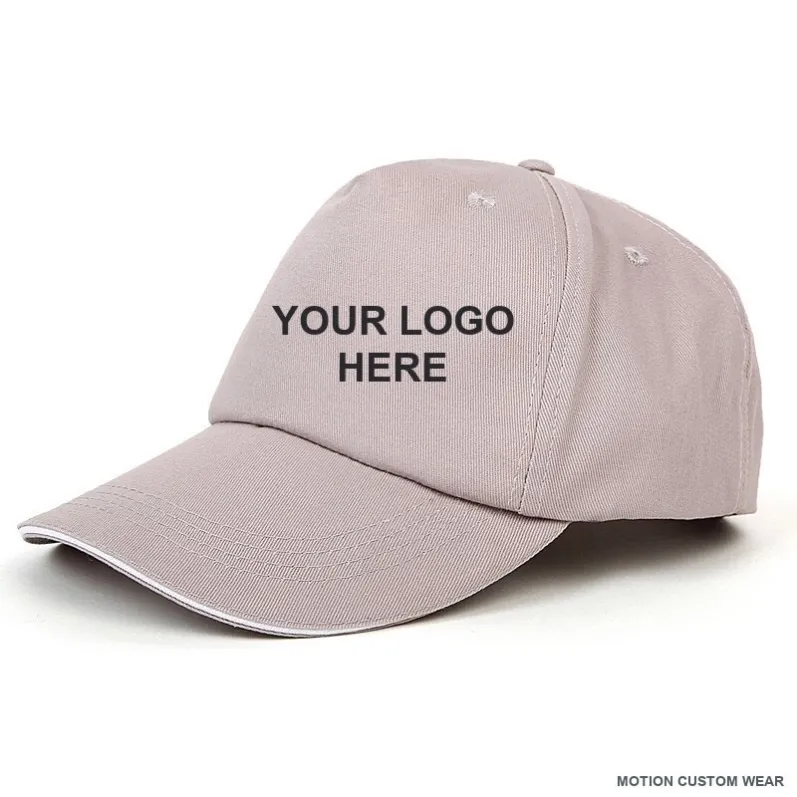
• Category: Cap • A role to consider: A wearable extension of an apparel collection • Details to resolve before sampling: Crown shape, fabric, adjustment, artwork and decoration area
• Category: Canvas tote • A role to consider: A standalone branded item or the outer bag for a kit • Details to resolve before sampling: Dimensions, handles, construction, intended contents and artwork
• Category: Scarf • A role to consider: A seasonal accessory or coordinated gift • Details to resolve before sampling: Material, finished dimensions, feel, finishing and branding method
A cap should be assessed on the head as well as on a table. A tote should be reviewed with its intended contents inside. A scarf needs review when folded and worn, since those positions change what the customer sees.
Motion's catalog includes a
premium cotton cap
, a 16 oz canvas tote
and a branded scarf
. Use the individual product pages as starting references and confirm the specification for your own order.State what “private label” means for this order
The term alone does not tell a supplier how much development you need. Describe the intended result in concrete parts:
• The base product and any changes to its shape, material or color.
• The visible decoration, including method, artwork, dimensions and placement.
• Any product labels or hangtags you want.
• Packaging and identification requirements.
• The sample and approval process before bulk production.
An existing product with a logo is a different scope from a modified product with new labels and packaging. Custom development adds further decisions. Ask the supplier to identify which requested elements are available for the selected item and quantity.
Motion's
private-label overview
outlines ready-product branding, product modifications and custom development. Treat those as routes to discuss; confirm accessory-specific options in the quotation.
Keep every accessory on its own specification line
For caps, record the agreed construction, fabric and fit adjustment. Specify where the artwork will sit and review how seams affect the usable decoration area. Ask for the actual adjustment range if fit across a group matters; “adjustable” does not establish that range.
For totes, record the dimensions and how they are measured. Separate fabric weight from finished bag weight and load capacity. A fabric weight in ounces does not prove how much the completed bag can carry. Review handles, seams and any gusset with the intended contents in mind.
For scarves, request the fiber composition and finished dimensions before approving the specification. Item weight alone does not establish material or warmth. Confirm how the brand will appear when the scarf is folded, packaged and worn.
Keep color references tied to each material. The same brand color can look different on cotton twill, canvas, scarf fabric and paper packaging. Agree on what will be reviewed and approved for each surface.
Ask how minimums apply to the complete brand package
Product, decoration, labels and packaging may each have quantity conditions. Ask whether the quoted minimum applies per design, color, style or individual component. Do not assume a mixed order of caps, bags and scarves counts as one minimum.
Request a breakdown of sample charges, development work, decoration, packaging and delivery where applicable. If custom components require a larger quantity than the products, agree on how any excess will be handled before ordering.
Approve the parts that customers will receive
A logo preview does not show the complete accessory. Review the selected product, decoration, label attachment and packaging as applicable to the order. Check spelling, artwork version, placement and the final packing arrangement.
Record the approved reference and any remaining changes. Before a repeat order, ask whether the materials, colors and components are still available and whether any specification needs to change. Keep approval of those changes explicit.
Common questions
Can I start with an existing accessory?
That is a practical route to discuss when you want to evaluate a product before requesting more extensive development. Confirm the branding options and quantity conditions for the exact item.
Can one order include caps, totes and scarves?
You can put them in one project brief. Ask for separate product specifications, quantities, minimums and sample requirements so the quote is clear.
Does a printed logo make a product ready for retail?
It resolves only one part of the brief. Product details, labels, packaging and your destination-market requirements still need to be addressed.
Send an accessory brief
Share the product links, intended use, quantity per item, logo, requested label and packaging details, destination and target arrival date. Flag any missing material or size information before approving a sample.
Discuss your private-label accessories project
.