Oct 3, 2026
What Your Unit Price Is Made Of: Blank, Decoration, Volume, Personalisation
Your unit price has four moving parts — blank, decoration, volume and personalisation. Know which one to move first before you compare quotes.

Short answer: four variables — the blank, the decoration, the order volume and personalisation. Two buyers ordering the same 200 t-shirts can be quoted [XX] and [XX] per piece, and the difference is almost never negotiation skill. It is the four lines sitting inside every quote that most buyers never see separately. Learn to read them and every quote becomes a set of levers: which one can I move, and what does moving it save?
Below, each variable in turn — what moves it, when it dominates, and which lever to pull first.
How much does the blank garment move the price?
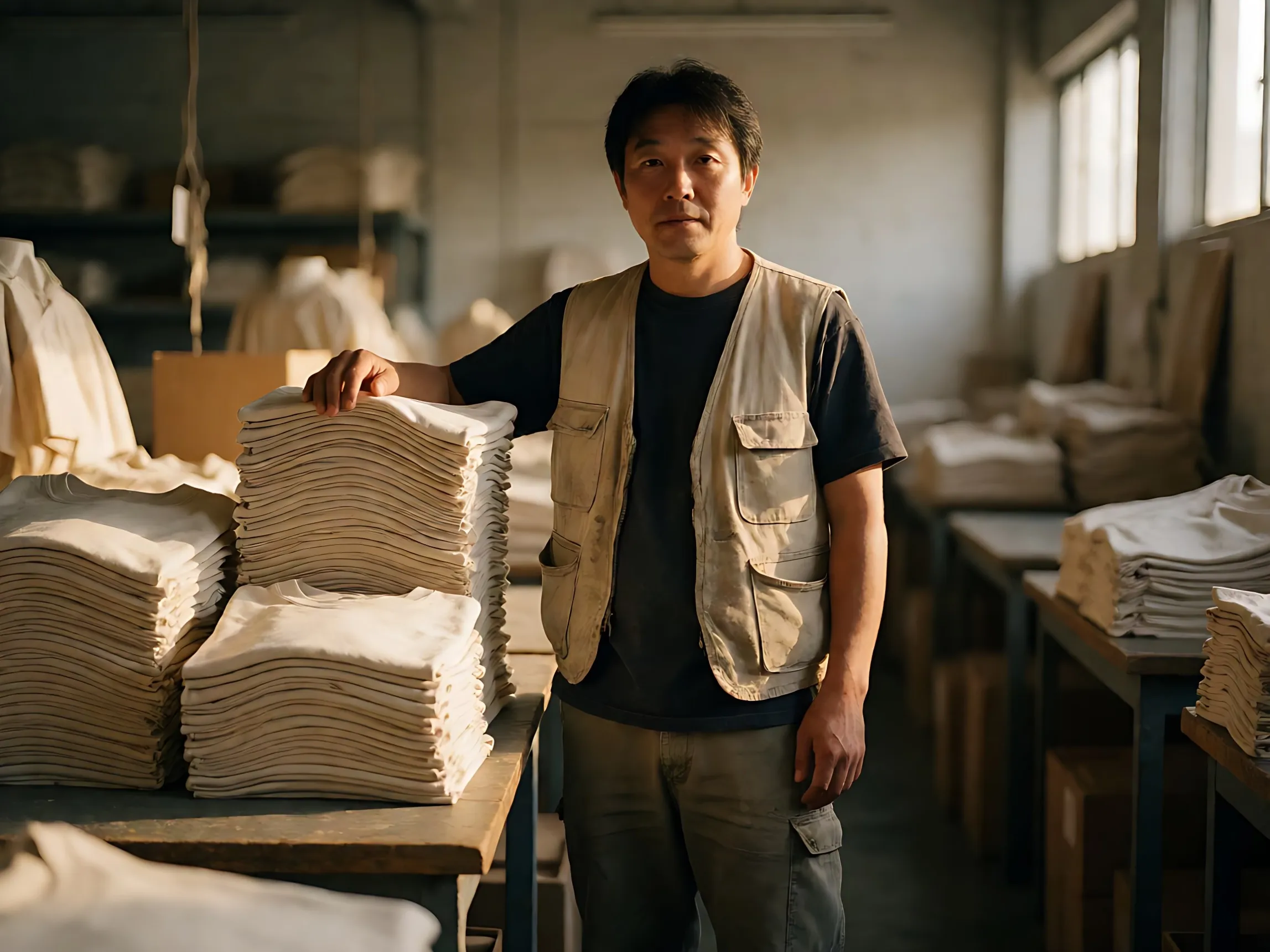
The blank — the unprinted garment — is usually the largest single line, and you pay it on every piece and every reorder. Three things move it:
• Blank factor · What it changes · Cost direction
• Fabric type · Cotton, cotton-poly blends, tri-blends, performance polyester · Each sits at a different base level
• Weight (GSM) · Heavier fabric before any printing · Rises with weight
• Fit and cut · Standard unisex vs fashion, ladies', tall cuts · Separate runs add cost
Choose the blank by how the garment will actually be used — wash frequency, climate, how long it must look presentable — and only then by budget. The blank is a structural decision: upgrade it and you pay the difference on every future reorder, which is also why it is the hardest variable to walk back.
True or false
✔ True: the blank is the one line you pay on every reorder. Decoration setups can often be reused once specs are on file; the blank price recurs for the life of the programme, which is why right-sizing it matters more than any one-quote saving.
✘ False: the cheapest blank is always the saving it looks like. A low-cost fabric that fails the programme's wash or wear demands turns into a full replacement order — the most expensive inventory outcome there is.
How much does decoration add?
Decoration is priced by method, colours and placements together:
• Method. Screen printing amortises setup over quantity, embroidery prices by stitch count, DTG prices roughly flat per piece — so the "best" method changes with volume.
• Colours and placements. Every extra print colour adds a screen; every extra location (front plus sleeve plus back) adds a setup line and run time. At low volumes these lines are a visible share of the unit price.
• Artwork size and detail. A chest logo and a full-back print are different jobs; fine detail can force a more expensive method than your quantity alone would justify.
Take away: at small volumes, cut colours and placements before anything else — it is the cheapest saving in the quote. At large volumes the method decision dominates, and artwork complexity matters less.
Why are 300 pieces not 3×100?
Unit price drops with quantity because fixed costs — setup, sampling amortisation, freight handling — spread across more pieces. Quotes are therefore built in tiers: [XX] pcs, [XX] pcs, [XX] pcs, each with its own price. Two consequences:
1. Price the next tier before signing. Ordering [XX] more pieces sometimes costs less in total than the smaller run. Check the break point, not just your exact quantity.
2. Volume interacts with method. Tier structures differ by decoration method, which is why the same design can have a different best method at 50 pieces versus 500 — the same logic behind the minimum in
how MOQs work
.Take away: if your real need sits near a tier break, size the order to the break. If not, do not buy up for the unit price — unused stock is the most expensive inventory there is.
What does personalisation really cost?
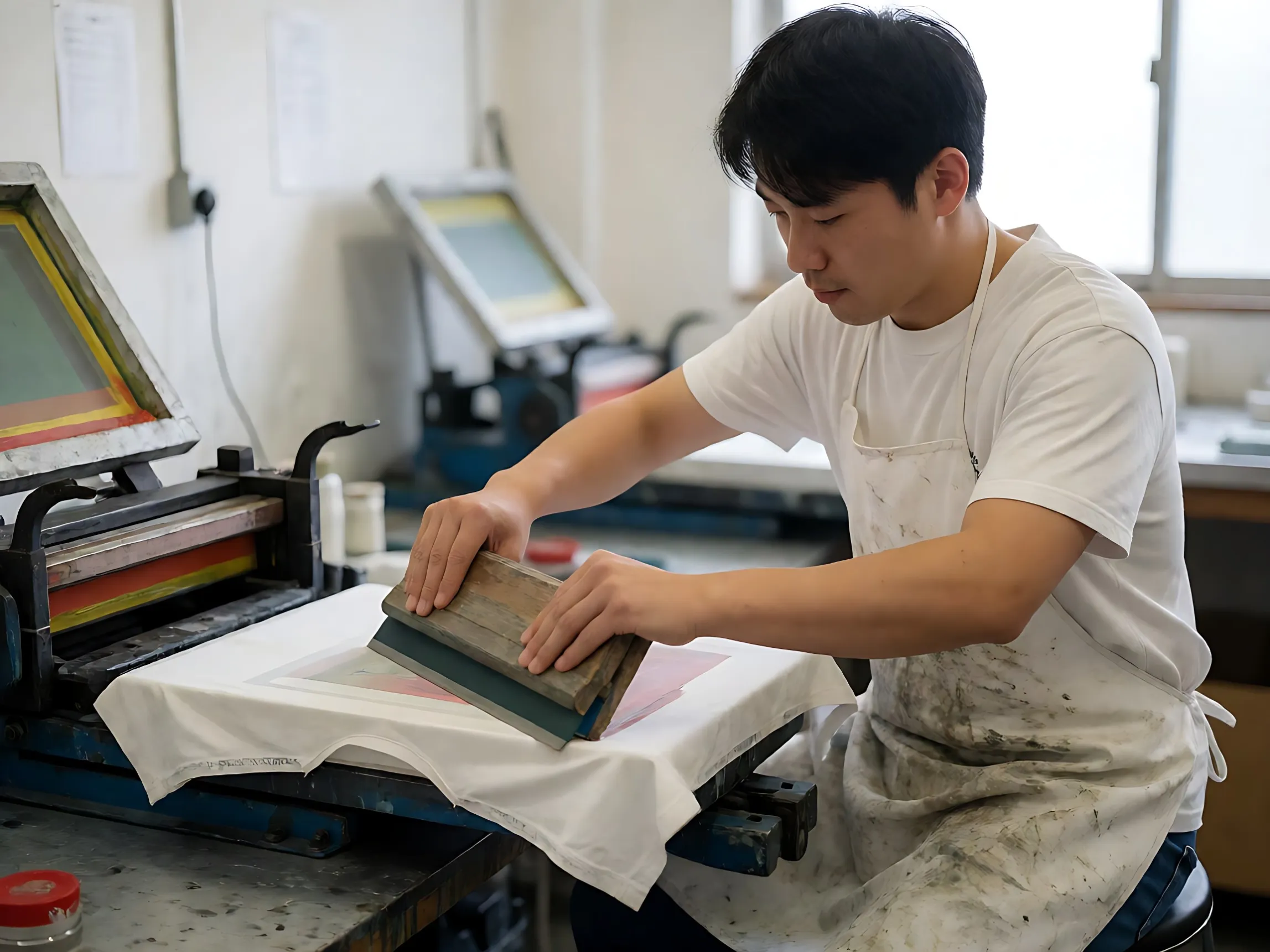
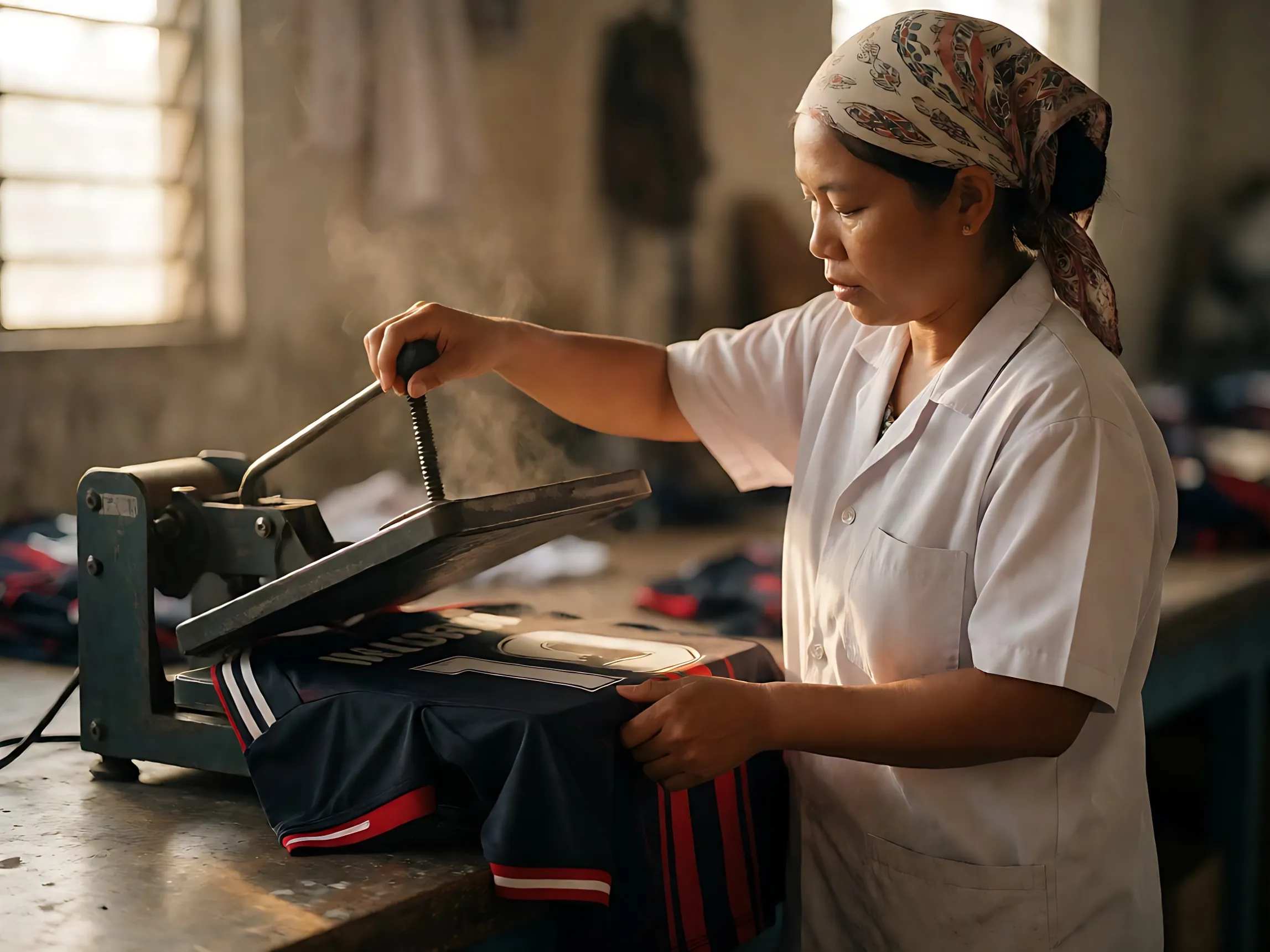
Personalisation — individual names, numbers, role titles — is priced per piece, not per design, and it adds a production step with its own inputs: a final name list in a fixed format and a lock-in deadline. Ask for it as a separate line rather than folded into the unit price; a late roster change usually means a delay or a rescheduled slot. Where budgets are tight, make it optional per recipient rather than removing it everywhere — the cost follows the count.
Take away: keep personalisation where it does a job (uniforms, jerseys, badges) and skip it where it is only decoration. It is the easiest variable to drop without touching the product.

A worked example: one order, four levers
• Line · Baseline quote · If you change one lever
• Blank: [XX] gsm cotton tee, unisex · [XX]/pc · Heavier [XX] gsm blank → [XX]/pc
• Decoration: 1-colour front screen print · included · +1 colour, +sleeve print → +[XX]/pc
• Volume: [XX] pcs · quoted tier · Next tier [XX] pcs → [XX]/pc
• Personalisation: name print, [XX] pcs · +[XX]/pc on those pieces · Staff-only [XX] pcs → saves [XX] total
Every quote you receive can be rewritten into this table. Once it is, the negotiation stops being "can you do better on price" and becomes "which line do we change".
Which lever do you pull first?
1. Right-size the blank to real end use — structural, affects every reorder.
2. Cut colours and placements if the design allows — fastest saving at low volume.
3. Check the next volume tier — sometimes more pieces cost less in total.
4. Make personalisation optional — pay per recipient, not per assumption.
Pulled in this order, most buyers find the price they need without changing suppliers.
Frequently Asked Questions
What is the biggest cost driver in a unit price?
Usually the blank, because you pay it on every piece and every reorder. Decoration setup lines can dominate at small volumes, which is why low-quantity orders feel disproportionately expensive. Break your own quote into the four lines and compare before assuming.
Why does the unit price drop as quantity increases?
Fixed costs — setup, sampling, handling — spread across more pieces, and freight efficiency improves. That is why quotes come in tiers rather than one smooth curve.
Does DTG cost the same at 10 pieces and 500 pieces?
Roughly, yes — that is its pricing structure, and exactly why method choice depends on volume: DTG is competitive low, screen printing wins at volume.
How much does adding a second print location cost?
It adds a setup line plus run cost, most visible on small orders. Ask for it as a separate quote line — [XX] on your specific order.
Can I mix different blanks in one order?
Usually yes, but each blank style counts toward its own minimum and may sit in a different price tier. Confirm both before you split.
Does personalisation cost the same on every garment?
No — it depends on technique and placement. Get it as a per-piece line item: [XX].
Where do these four lines appear on a quote?
A structured quote names them separately: blank, decoration, setup, personalisation, freight. If yours shows one blended number, ask for the breakdown line by line.
Ready to price your own order?
Request a Quote
— we quote the four lines separately, so you can see every lever. Or browse the product range
to pick the blank first.FACTS