Oct 3, 2026
Custom Apparel MOQ: Per Design, Per Colour or Per Garment?
MOQ binds the decoration setup, not your order: per design and per colour, sizes mix freely. The routes under the minimum, and the terms that must be in the quote.
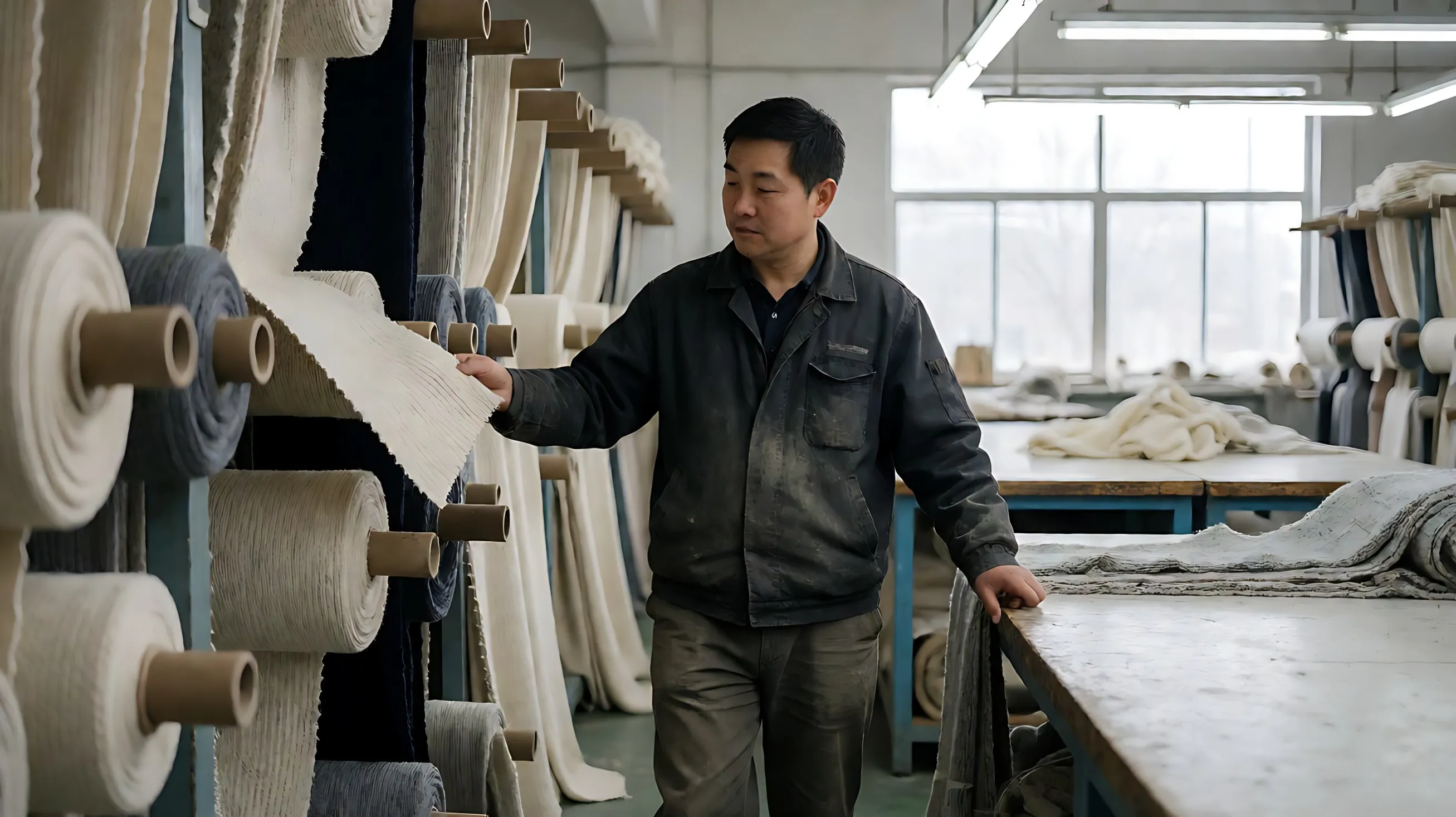
Short answer: per design and per print colour — not per garment, and not per size. A "50-piece minimum" usually means 50 pieces of each design in each printed colourway, while sizes mix freely within that. Below roughly [XX] pieces, digital printing (DTG or DTF) keeps unit prices sane; screen-print economics start around [XX] pieces; developing a garment from scratch starts higher still. Whatever your route, the minimum belongs in the quote per line, never as a single number.
• Your quantity · The route that fits · Why
• Under [XX] pieces · DTG / DTF printing · No per-colour setup, unit price barely moves
• [XX]–[XX] pieces · Screen print, 1–2 colours · Setup spreads across enough units to pay off
• [XX]+ pieces · Multi-colour screen print or DTF roll · Price ladder drops sharply at volume
• New garment development · Cut & sew from [XX] per style/colour · Fabric dye lots and patterns carry their own minimums

Buyers on Chinese sourcing platforms have compressed the whole topic into one warning worth repeating: the minimum must be written down clearly, or the dispute finds you later. Here is what to write, and why the number behaves the way it does.
Why does a minimum order quantity exist at all?
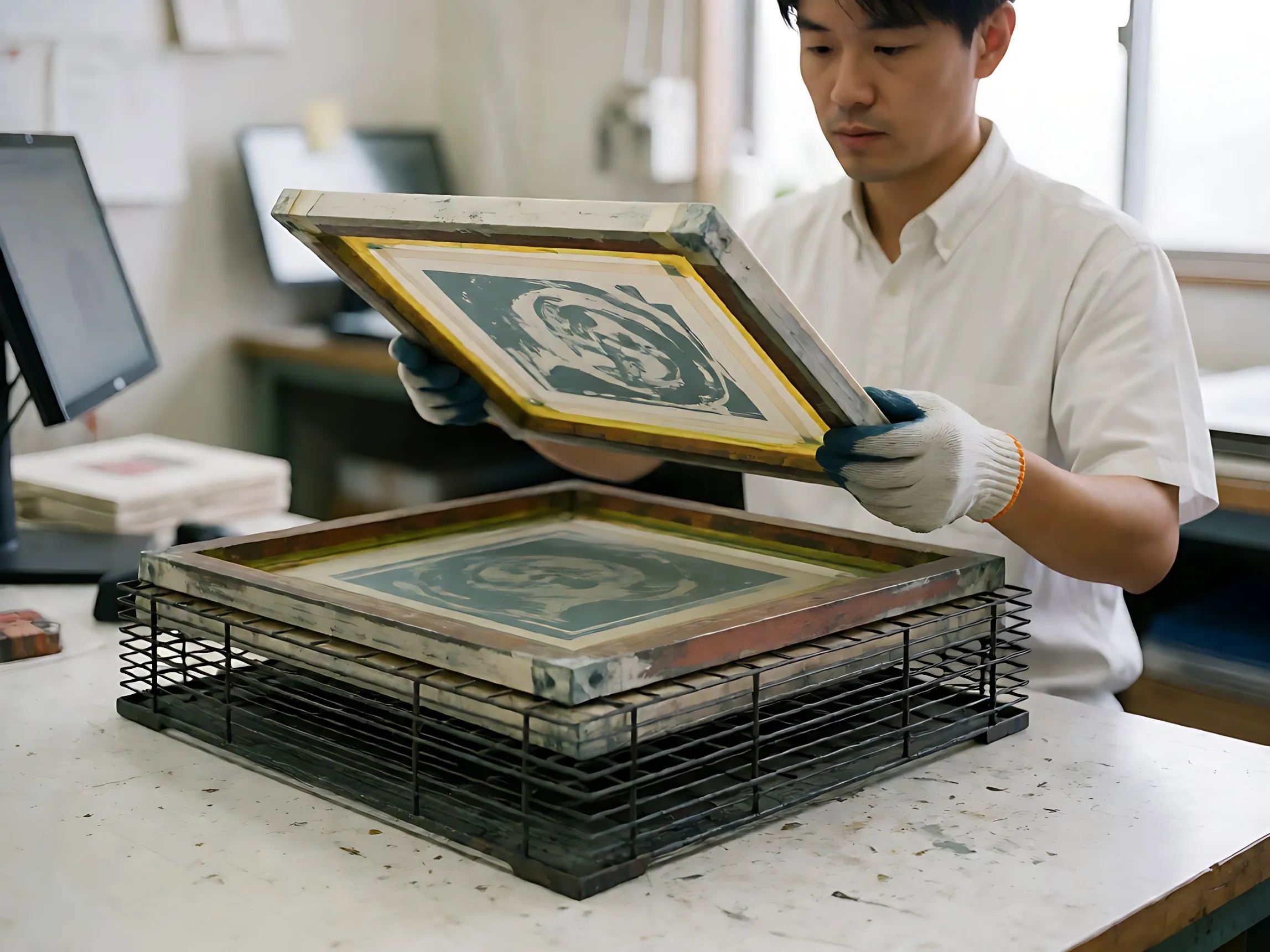
Every custom order carries fixed setup work that happens before the first printable garment: screens burned per print colour, artwork prepared and separated, digitising for embroidery, fixtures set. That work costs the same for 20 pieces as for 200 — so a minimum exists to spread it across enough units that your per-piece price stays sane. The shops themselves say it plainly: minimums protect the buyer from astronomical unit prices as much as they protect the printer's schedule.
Take away: a minimum is a setup-cost recovery mechanism. Understand which setups your order triggers and you can predict — and often reduce — the minimum before asking.
Is the minimum per garment, per colour or per design?
Ask this question before anything else, because "MOQ" hides three different constraints. The binding one is almost always decoration: each design, and each colourway of that design, needs its own screens or its own print setup, so the minimum applies per design per colour. Sizes never count separately — a size breakdown is one production run, not six. Garment colour is the silent third constraint: printers will usually swap blank colours freely, but garment manufacturing runs dye lots per colour, which carries its own minimum of [XX] metres or pieces.
Take away: the useful question is not "what is your MOQ?" but "what does the minimum apply to — design, colourway, or garment?" Get the answer per line.
Can you mix sizes and colours in one order?
Sizes mix freely — that is the norm, and your size breakdown is exactly the place to exercise it (the
staff size breakdown guide
covers how to build one). Colours split into two cases: at a print shop, different blank colours with the same print often count toward one minimum; in garment manufacturing, each colour is a separate dye lot and may need its own quantity of [XX]. When a supplier answers "yes you can mix", ask which case you are in — the words are identical, the economics are not.Take away: mix sizes without asking, confirm colour rules in writing. One sentence in the quote kills the ambiguity.

How do you order fewer than the minimum?
Four legitimate routes, in rising order of commitment:
1. Cut the design count. Three logo variants across one order is three minimums; one design across three garment types is usually one. Consolidation is the cheapest lever you own.
2. Switch decoration, not supplier. DTF and DTG have no per-colour setup, so a one-piece order prices close to a hundred-piece order per unit. For a small run, the method is the minimum.
3. Use a small-order programme. Small-batch lines start at [XX] pieces with stock blanks — our
start small route
is built around this case.4. Order the minimum, bank the extras. If the gap to the minimum is small, spare core sizes double as new-hire stock. Paying for ten extra pieces can beat paying a small-run surcharge.
Take away: under the minimum, the decision is routing, not negotiating. Pick the route first, then ask for the quote.
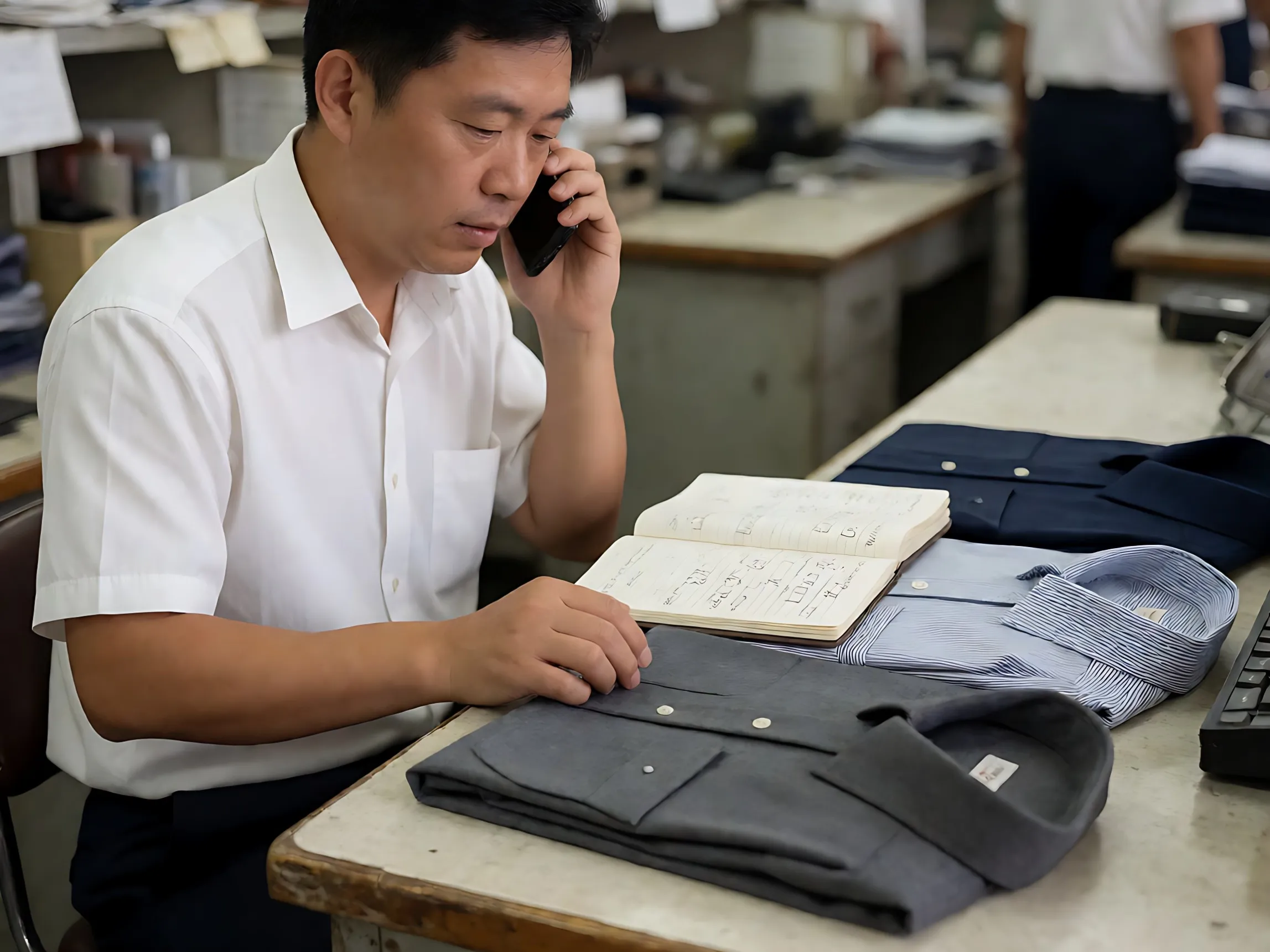
What should the MOQ terms say in writing?
Five lines, adapted from the sourcing-checklist convention on Chinese B2B platforms:
1. The minimum per design, per colourway, per print location — as separate numbers, not one blanket figure.
2. What counts toward it: spares, replacements, and rejected-piece reprints included or not.
3. Whether reorders inherit the minimum or ship at any quantity once specs are on file.
4. The price ladder at the minimum and at each tier above it, so adding pieces is a decision, not a surprise (
what your unit price is made of
explains the four variables).5. The cancellation point — the stage after which reducing quantity stops being possible.
Take away: a minimum written as one number is an invitation to interpret it optimistically — by whoever is not you.
Frequently Asked Questions
Is the minimum per design or per colour?
Usually both: each design and each printed colourway carries its own setup, so each counts separately toward the minimum. Sizes never do. Confirm per line in the quote — blanket numbers hide the split.
Can I mix sizes to reach the minimum?
Yes — size breakdowns are one production run and always mix. What does not automatically mix: multiple designs, some colourways, and separate garment types in manufacturing, each of which can carry its own line minimum.
Why is the MOQ for screen printing so high?
Because every print colour needs its own screen burned and registered — fixed work identical for 20 or 200 shirts. Digital printing skips that setup, which is why its minimums sit near one.
How do I order fewer than the minimum?
Route around it: consolidate to one design, switch to DTG or DTF, use a small-batch programme, or take the minimum and keep spares as new-hire stock. The method you choose sets the minimum you face.
Does a higher MOQ get a better price?
Yes — price ladders drop at volume tiers because setup amortises and fabric buys scale. The decision is where to sit on the ladder: pay the tier, or keep cash and reorder later with specs on file.
Can the minimum be waived for a reorder?
Often reduced, sometimes waived — reorders with specs and screens on file are cheap for the supplier to run. Ask for the reorder minimum to be written into the first order's terms, not negotiated at the second.
What MOQ terms should be in the quote?
Per-design and per-colour minimums as separate lines, what counts toward them, reorder treatment, the price ladder, and the cancellation point. Five lines that turn a policy into a contract.
Checklist before you accept any MOQ
☐ Minimum stated per design / per colourway / per location
☐ Size mixing confirmed in writing
☐ Reorder minimum for round two recorded
☐ Price ladder at and above the minimum
☐ Small-order route identified if quantities sit below
Not sure which route your quantity fits?
Request a Quote
with your piece count and design count, and the quote comes back split per line — minimums, tiers and the small-order alternative. Or start from the small-batch route
if you are under [XX] pieces.FACTS