Oct 13, 2026Ordering Process
How to Collect Staff Sizes and Plan a Uniform Size Run
One form per person, garment-by-garment fields, real measurements against the actual chart, a size-set try-on week, and the buffer placed where the risk actually is.
Short answer: collect sizes like an operation, not a group chat — one form per person with a size field for every garment, real measurements or a try-on against the actual size chart, spares concentrated where the curve is thin, and a firm deadline with a default that ends the chasing.
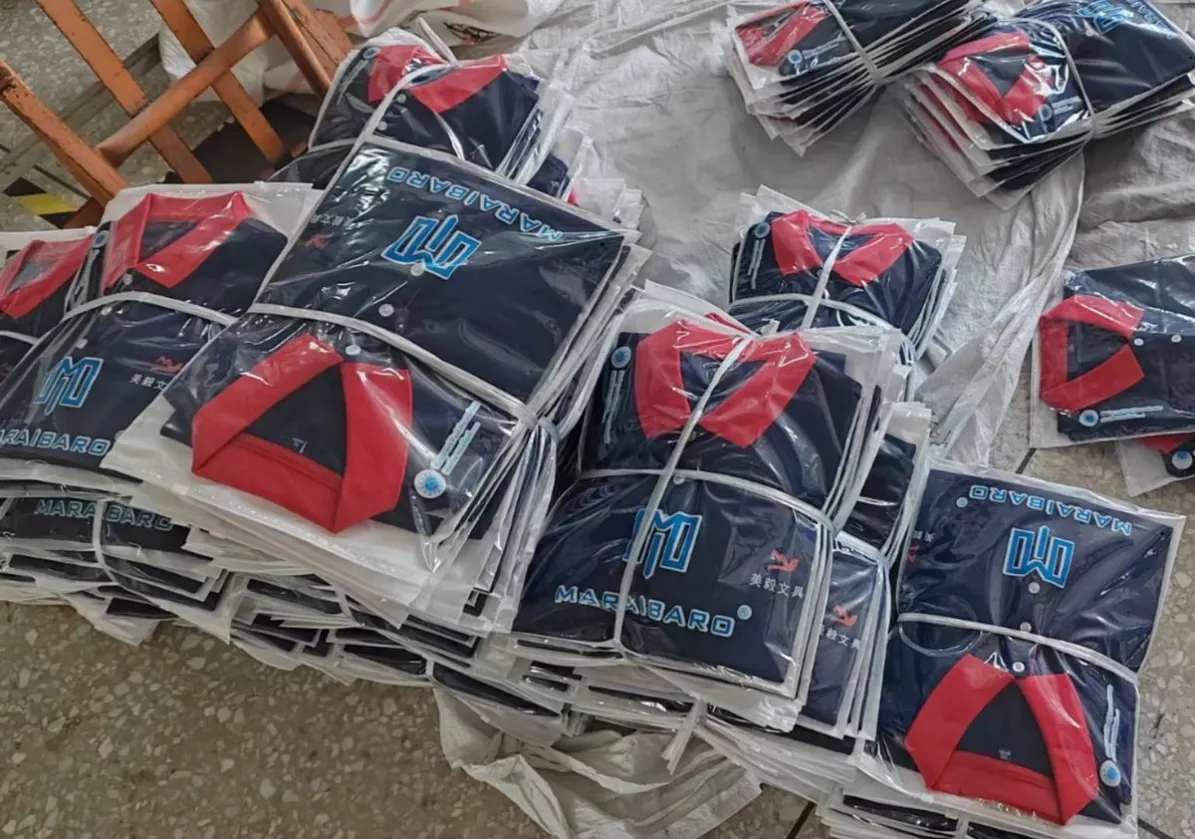
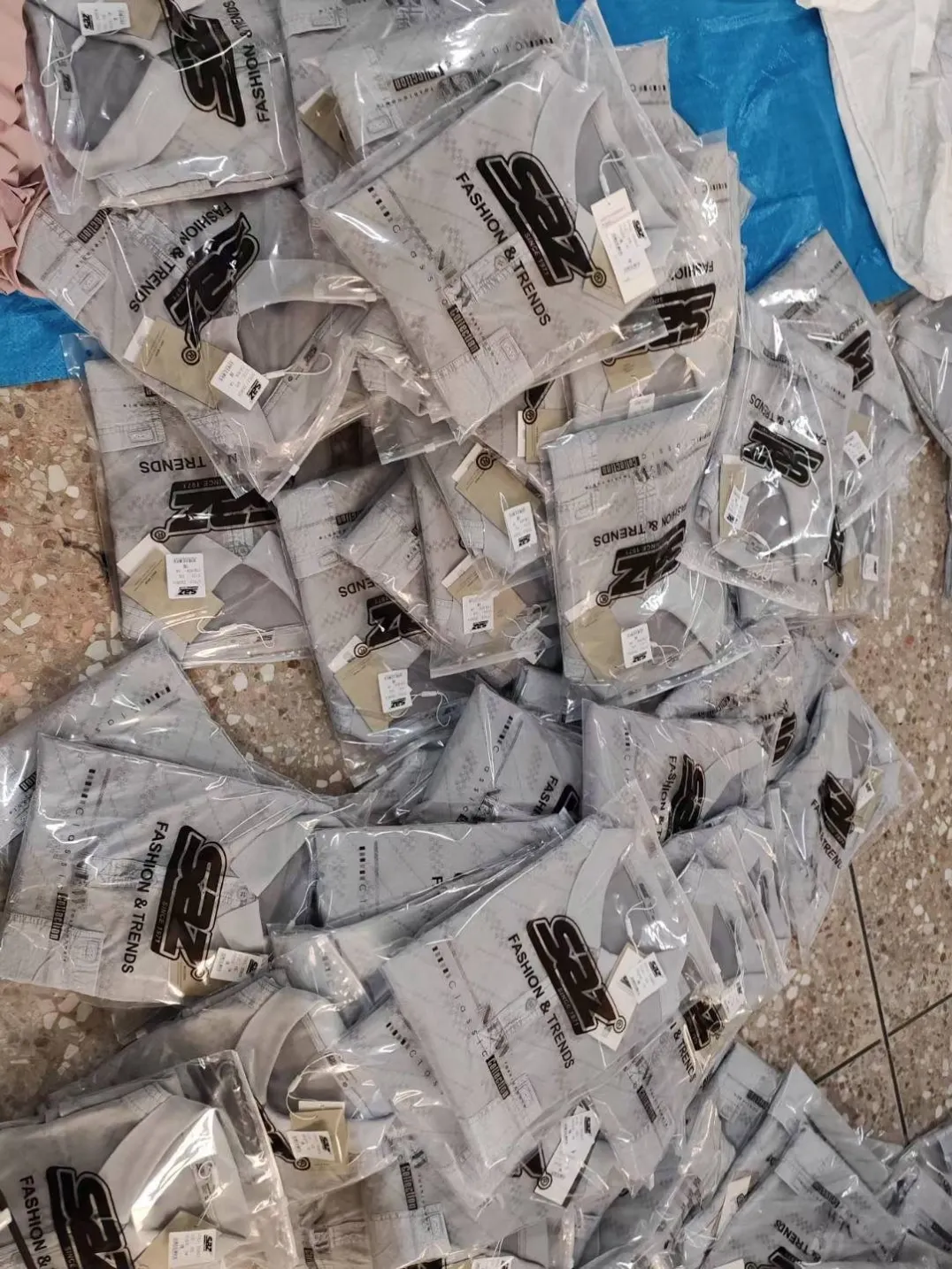
Open the carton of a badly planned uniform order and the evidence is immediate: a wall of M, a shelf of XL, and the two people at either end of the curve wearing something that does not fit. Nobody ordered wrong on purpose — the order was placed from habit ("mostly L and XL, right?"), and the size curve the team actually needed was never collected.
The theory of why charts and letters mislead — across brands, across cuts, across tolerance — is covered in the size tolerance guide. This article is the operational round: how the numbers get gathered, where the buffer goes, and the clauses that make the deadline real.
Table of contents
1. Why Habit Sizes Fail (Briefly, Then We Move On)
2. One Form, One Person, Every Garment
3. Two Collection Methods: The Garment They Own, or the Size Set
4. Build the Curve, Then Place the Buffer
5. The Deadline Clauses That End the Chasing
6. Record It So the Reorder Matches
Frequently Asked Questions
1. Why Habit Sizes Fail (Briefly, Then We Move On)
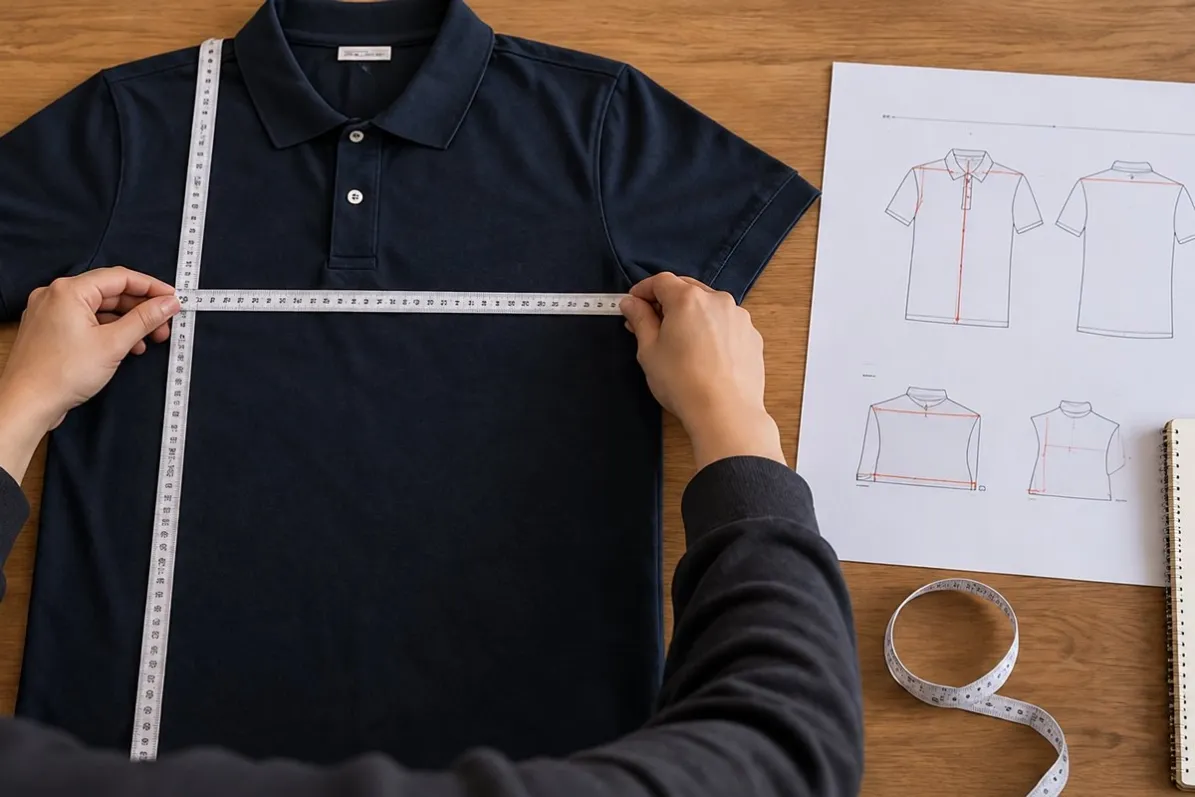
The default question — "what size do you usually wear?" — fails structurally: retail sizes are not standardised across brands, and the uniform is built to its own chart. An employee who buys L from a slim-fit brand may need XL in a uniform cut. Letters also travel badly between categories: the tee size, the polo size and the jacket size of the same person are three different answers more often than people believe.
The correction the trade uses is one sentence long: measure or try on against the actual garment's chart — then every answer arrives in the size system your order will be cut in.
Tip: one physical detail does disproportionate work — put a tape measure in the office. People who measure a garment they already own give consistent answers; people guessing from memory do not.
2. One Form, One Person, Every Garment
The mechanics matter more than the medium:
• A single form per person — not a group-chat cascade, not a paper list doing the rounds. A shared form keeps answers legible, countable and ready for the curve.
• A size field per garment, not one overall "size" — polo size, tee size, jacket size as separate columns. One column guarantees at least one wrong garment.
• Name and team/department fields — so packing, delivery and any per-team split can be computed from the same sheet.
• The actual size chart attached at the top — the chart for the garments being ordered. "Your usual size" without the chart is the failure mode wearing a costume.
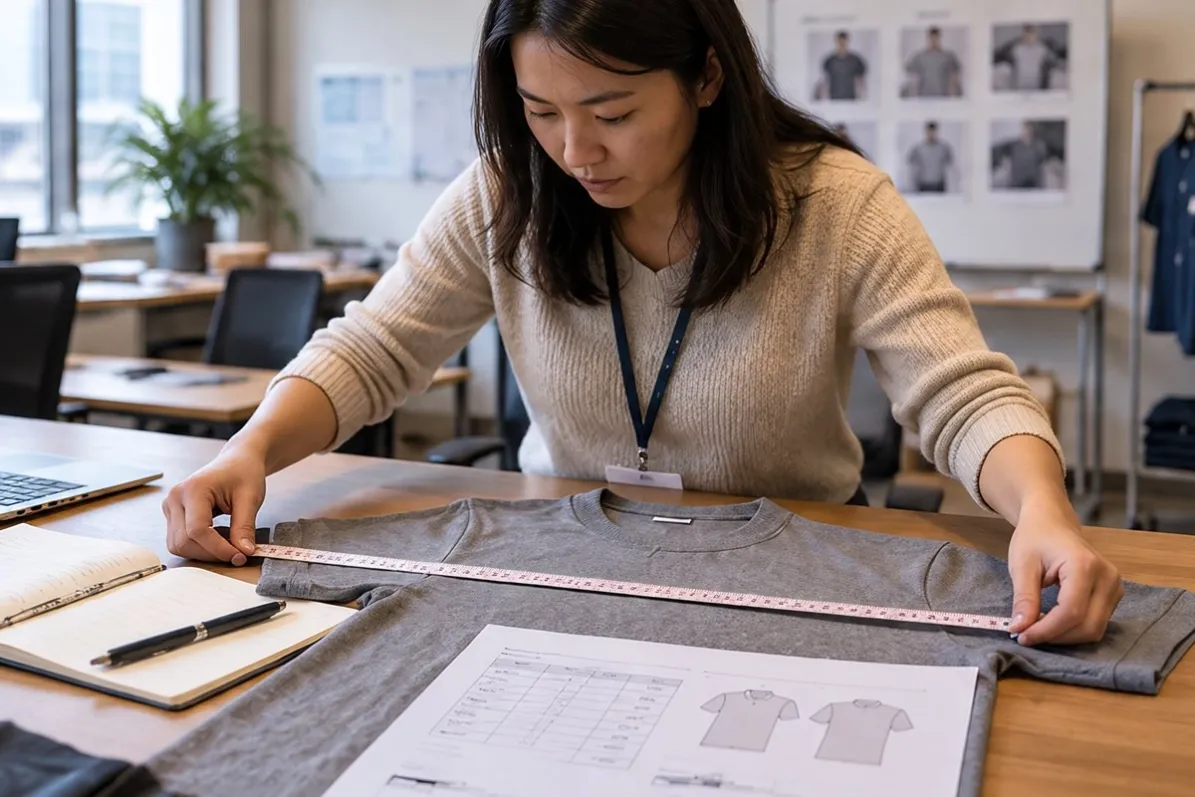
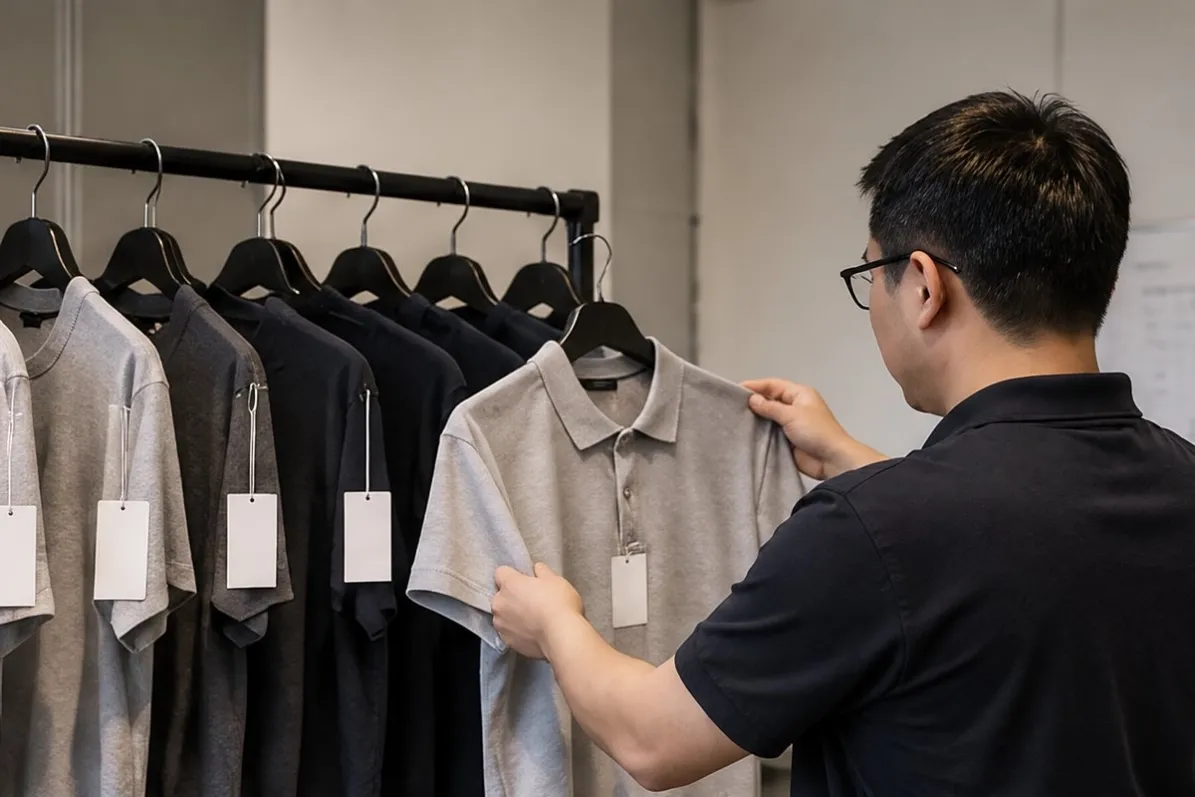
One physical detail does disproportionate work: put a tape measure in the office. People who can measure a garment they already own — flat, chest width and body length, against a one-line instruction — give consistent answers; people guessing from memory do not. The tape measure is worth more than any clever wording of the question.
3. Two Collection Methods: The Garment They Own, or the Size Set
Measure a garment that fits. Each person takes a garment they like the fit of, measures it flat against the supplied one-page guide, and matches those numbers to the size chart. No special equipment beyond the tape, no scheduling, scales to any team size. Best for dispersed teams and mixed categories.
A size-set try-on week. A sample set covering the size range hangs in a meeting room for a fixed week; people try on and record their size against the actual garment. More logistics, slower — and the most accurate method available. Worth it when fit is part of the product (client-facing uniforms, premium garments) and especially for the people at the ends of the curve, who are the most expensive mistakes to make.
Most serious programmes combine both: the size set at head office for a try-on week, the measure-a-garment method for everyone remote.
Note: custom garments cannot be restocked, so a wrong size is a write-off, not a return. A day of tape measures is far cheaper than a remake.
4. Build the Curve, Then Place the Buffer
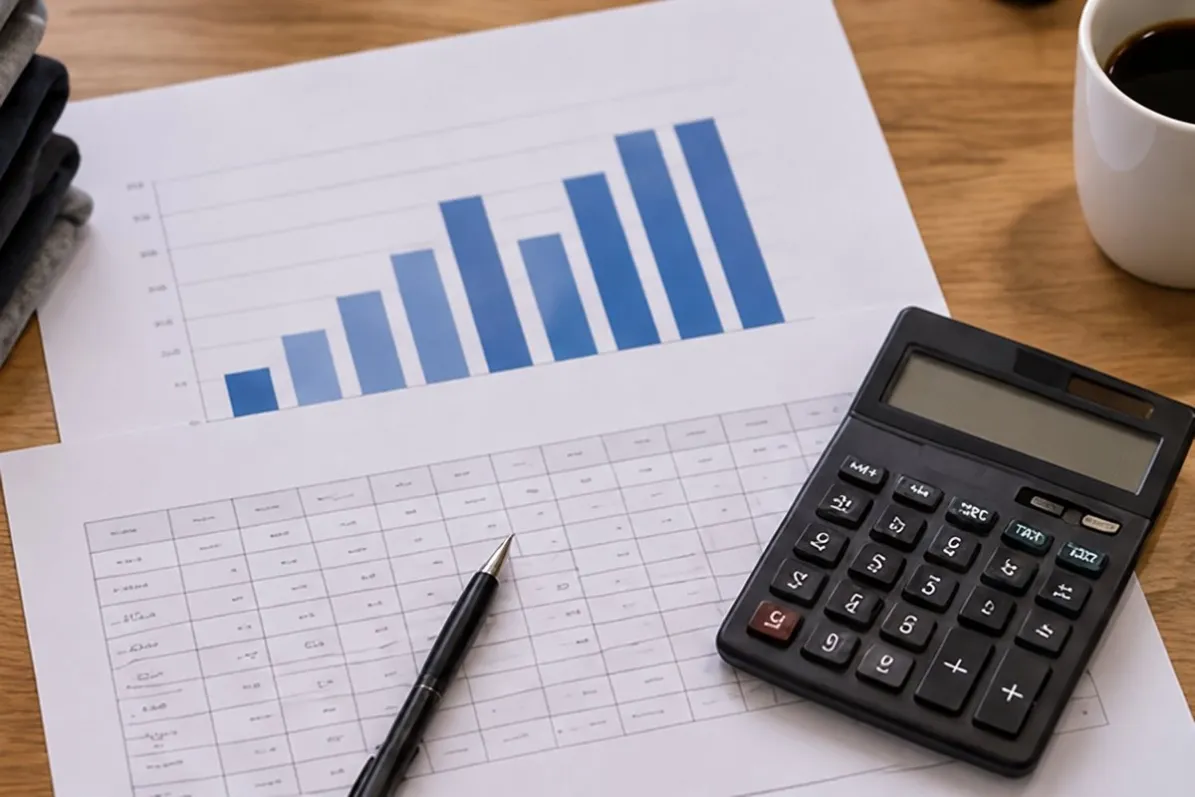
Count the closed form into a curve — men's, women's and youth counted separately, because they are different patterns and blending them corrupts both. The curve, not the total, is what the order is built from.
Then place the spares where the risk actually sits — not evenly across sizes:
• Concentrate the buffer in the middle and upper curve (L, XL, 2XL) — where the population is thickest and where late joiners, swaps and sizing misses cluster. Hold a planned share of the order as buffer — confirmed at quote, not left to rounding up the total.
• Bias it toward the sizes that can be adjusted, not the ones that cannot — a slightly large spare can be worn; a too-small spare is scrap. Given a choice, the buffer leans up.
• Keep spares plain where the product allows — an unstamped spare in the right colour can still serve a late arrival; a spare personalised with the wrong name cannot.
5. The Deadline Clauses That End the Chasing
A sizing round without a deadline collects forever. Three sentences close it:
1. A firm close date — the form closes on a stated day, with a decision behind it.
2. A default clause — anyone unanswered by the close date defaults to a mid-curve size. A wearable garment beats no garment, and the clause ends the chasing.
3. A self-confirmation line — "I confirm this is my size against the attached chart," at the end of the form. It turns a claim into a record and quietly dissolves the after-the-fact "the office wrote it down wrong" loop.
Custom garments cannot be restocked, so a wrong size is a write-off, not a return — the non-returnable orders guide covers what that means for the whole order. A day of tape measures is far cheaper than a remake.
6. Record It So the Reorder Matches
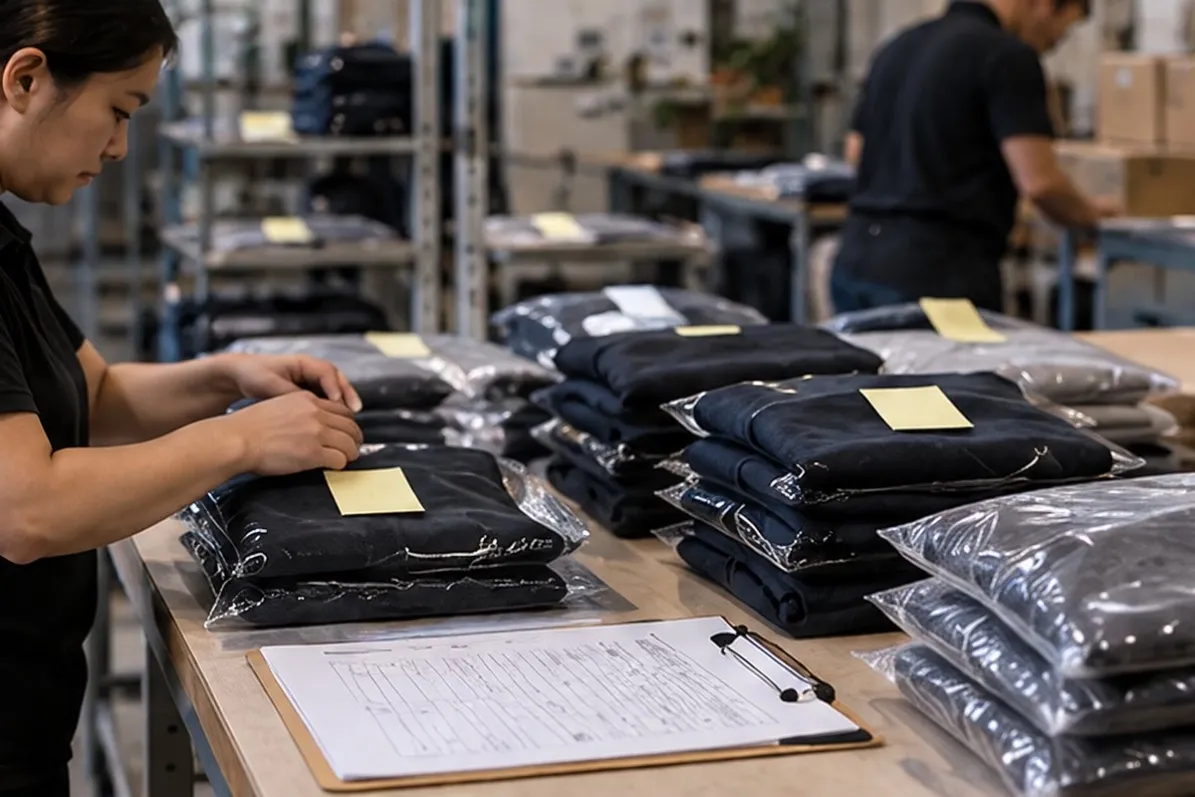
The round produces an asset to keep: the closed form, the curve, the size chart version and the buffer decision. The sampling and sign-off checklist covers what else belongs in the approval file; the sizing record is the half that lets reorder two proceed without re-collecting anything.
Wrapping up: collect like an operation, not a conversation
Two weeks, one form, a tape measure and a firm close date — that is the whole sizing round. Gather answers in the system your order will be cut in, count the curve with the groups kept separate, put the buffer where the risk actually sits, and record it all so the reorder starts from your file. The garments will arrive, and the wall of M will not.
Frequently Asked Questions
How long does a sizing round take?
Plan two to three weeks as a working default — a week of form time, a few days to resolve stragglers, and a try-on week if you are running one — scaled to your headcount and sites.
Can we just collect sizes in the group chat?
You can, and it will produce a curve with silent errors — duplicates, illegible answers, no chart reference. One shared form solves all three for the cost of a link.
What buffer percentage is right?
There is no universal number — treat it as a planned share of the order, concentrated at L, XL and 2XL. Programmes with steady hiring lean higher; closed teams with no turnover can lean lower.
Should the spares be personalised?
No — hold them plain where the product allows, so a spare can serve any late person. Personalise only the confirmed list.
What if someone's size changes after the order is placed?
That is a swap, not a resize; the buffer and the swap window handle it, with the window agreed in your programme rules. After the window closes, the spares are the only remaining option.
About to run the sizing round?
Request a Quote
— send the headcount by team and the garments you are considering, and the plan comes back with the form structure, the chart and a buffer suggestion for your actual curve. Or order the sample kit
to feel the fabric and print quality first.