Oct 3, 2026
Custom Apparel Sampling Checklist: Every Gate Before Bulk
Sampling has stages, and the PP sample is the one that locks bulk. What each stage answers, what to check with a ruler rather than an opinion, and what your signature binds.
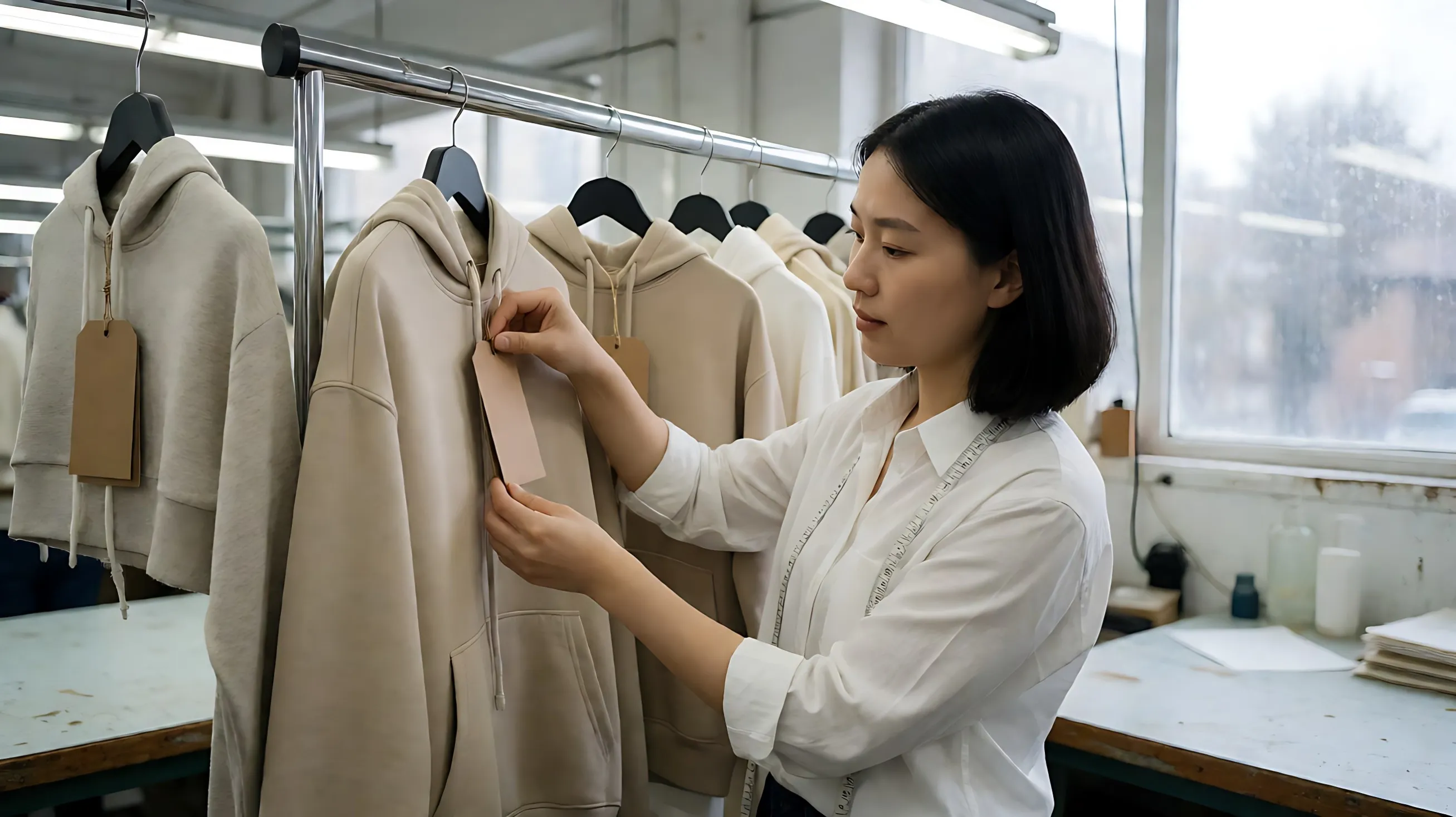
Short answer: know which sample you are holding, check it against the spec with tools rather than impressions, and treat the pre-production sample as the one that locks bulk. Prototype answers fit, the sales sample sells the concept, the PP sample is production intent on bulk fabric, the shipment sample proves the run. Physically inspect, sign, and retain — photo-only approval is the weakest form of every gate below.
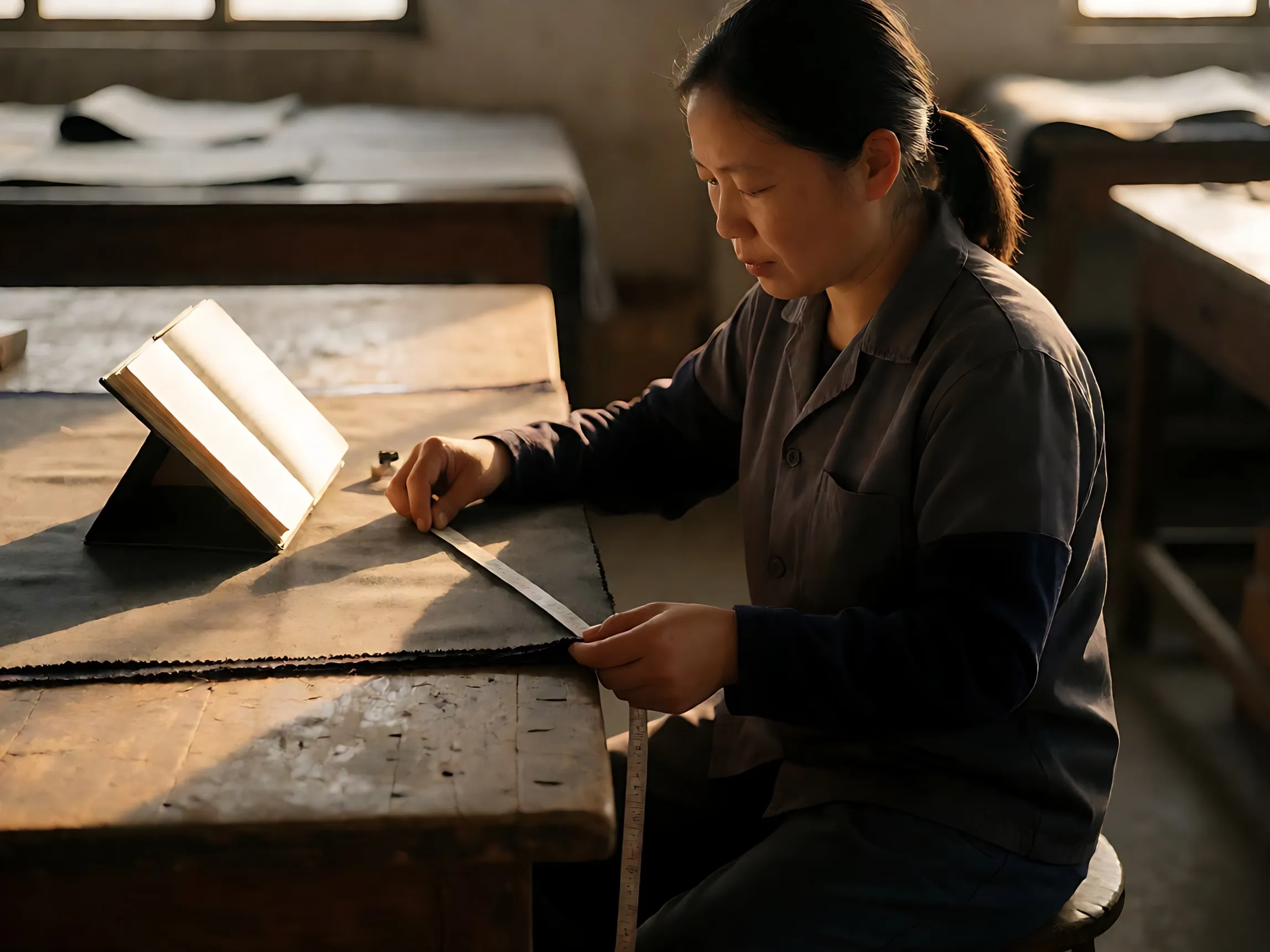
• Sample stage · The question it answers · Who typically pays
• Prototype / fit sample · Does the block and size work on a body? · [XX]
• Sales sample · Does the concept sell internally? · [XX]
• Pre-production (PP) sample · Is production intent right — fabric, colour, placement, specs? · [XX], often credited at bulk
• Shipment sample · Did the bulk run match the PP sample? · Supplier
The failure this checklist exists to prevent is the oldest one in custom apparel: the sample was perfect, the bulk was not, and nobody wrote down what "match" meant. Manufacturing forums carry the same warning from the producer side — vague specification points get filled with the cheapest technically-compliant option, and sample-versus-bulk drift is the result.
How is a PP sample different from a sales sample?
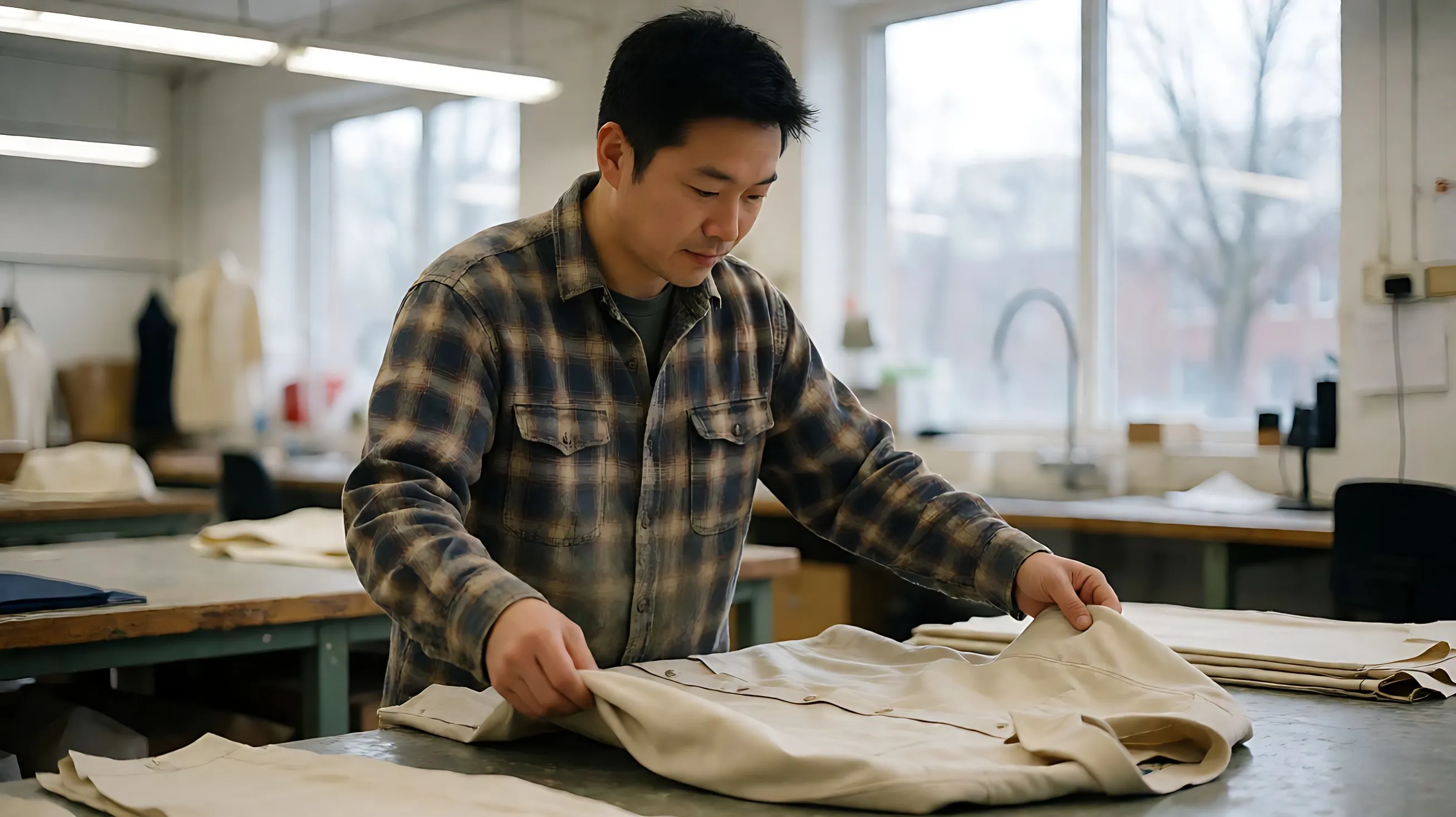
A sales sample exists to sell the idea — right look, representative fabric, made to persuade you or your stakeholders. A pre-production sample exists to be a contract: it is cut and constructed exactly as bulk will be, on the bulk fabric lot, with the actual print or embroidery, actual trims and labels. When the PP sample is approved and signed, everything about it becomes the acceptance benchmark that bulk is inspected against. Treating a persuasive sample as an approval sample is how orders ship with a beautiful reference and a disappointing carton.
Take away: ask any supplier one question — "is this the PP sample, on bulk fabric?" — and the answer decides whether your signature means anything yet.
What should you check on each sample?
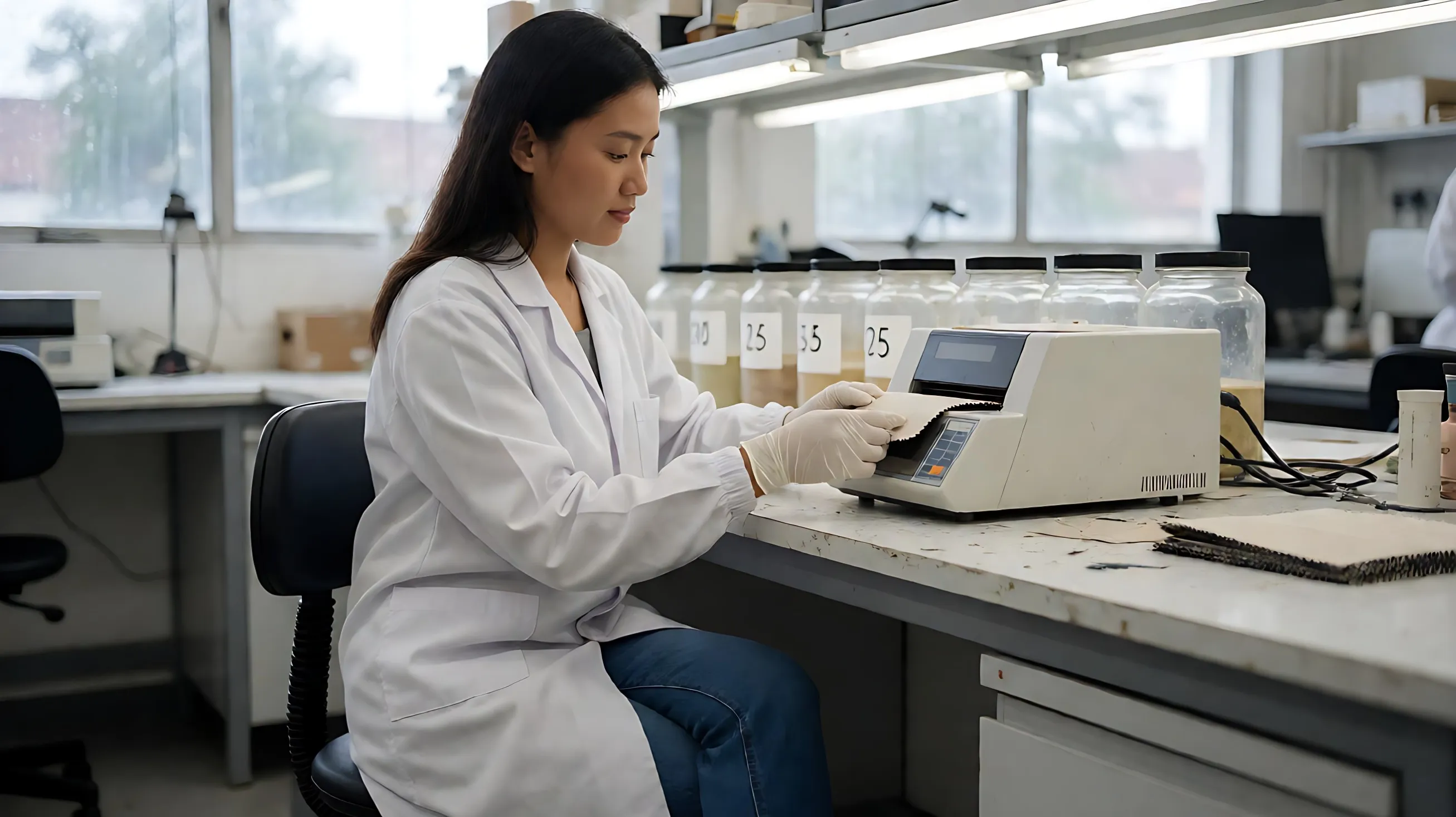
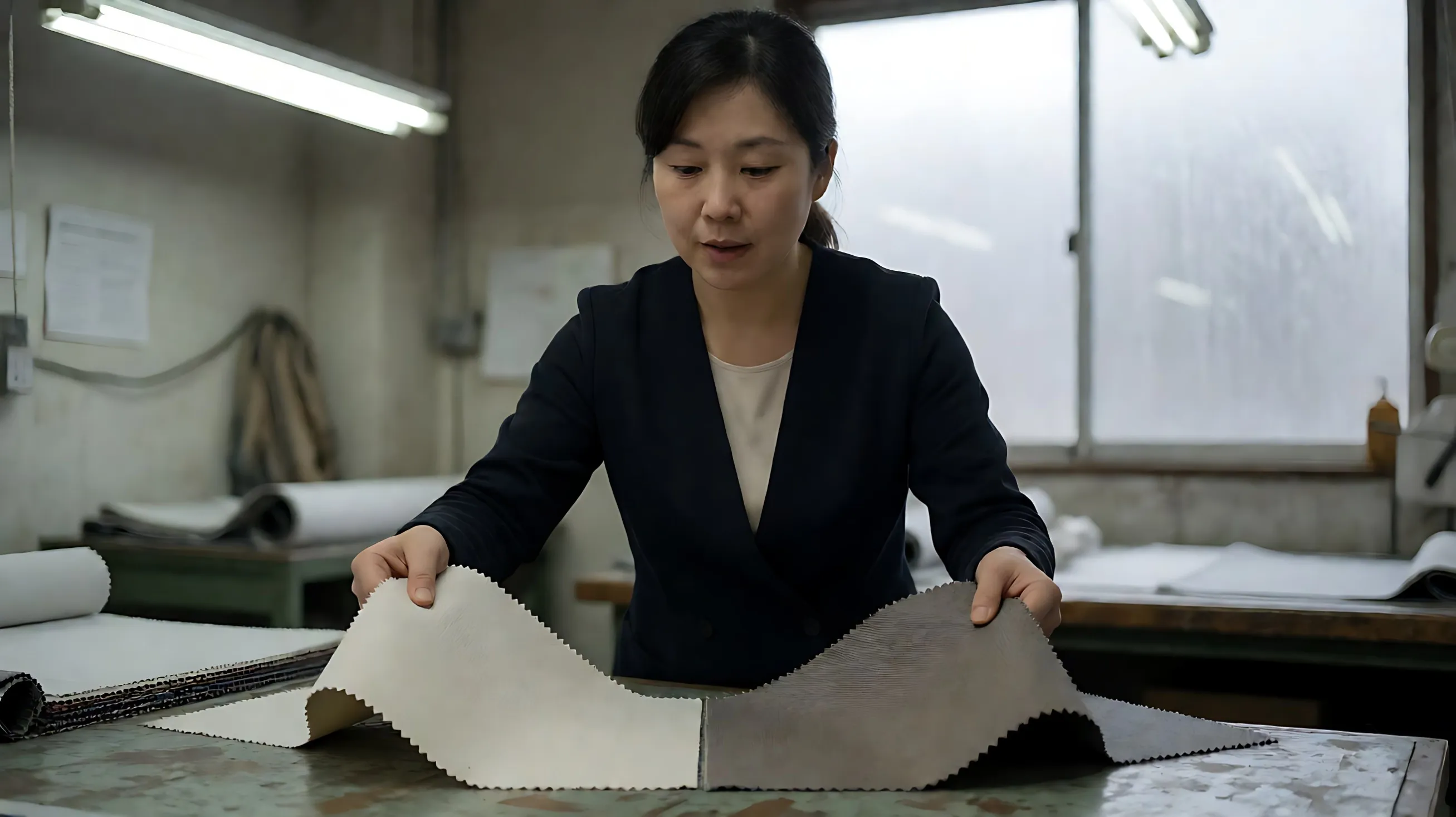
Five checks, all with tools, all recorded:
1. Measurements against the point-of-measure sheet, flat on a table, each size, inside the agreed tolerance bands (
size tolerance and breakdowns
).2. Fabric fields: weight and blend as specified, hand feel against any earlier reference (
how to specify fabric, GSM and blend
).3. Print placement and size with a ruler — centimetres from named landmarks, never "looks centred" (
print placement tolerance
).4. Colour against a physical reference: Pantone book or swatch, judged under defined light, dark garments checked for underbase correctness (
Pantone matching and tolerance
).5. Wash one, keep one: run the standard wash test on the sample twin so durability failures surface now, not after distribution (
print durability checks
).Take away: every check ends in a number or a yes/no. An impression ("feels good") is not a check — it is a mood.
How many sample rounds should you budget for?
Plan [XX] rounds including one revision — artwork on a real garment almost always needs one — at [XX] days per round plus courier time. Sampling is also the schedule's biggest silent consumer: quotes come back fast, but fabric booking and sample rounds are what actually take the time (
the backwards timeline
plans around exactly this). Each additional revision is normal; each additional revision you did not budget is a slipped delivery date.Take away: budget one revision from day one. The plan that assumes a perfect first sample is the plan that misses its date.
Who pays for samples?
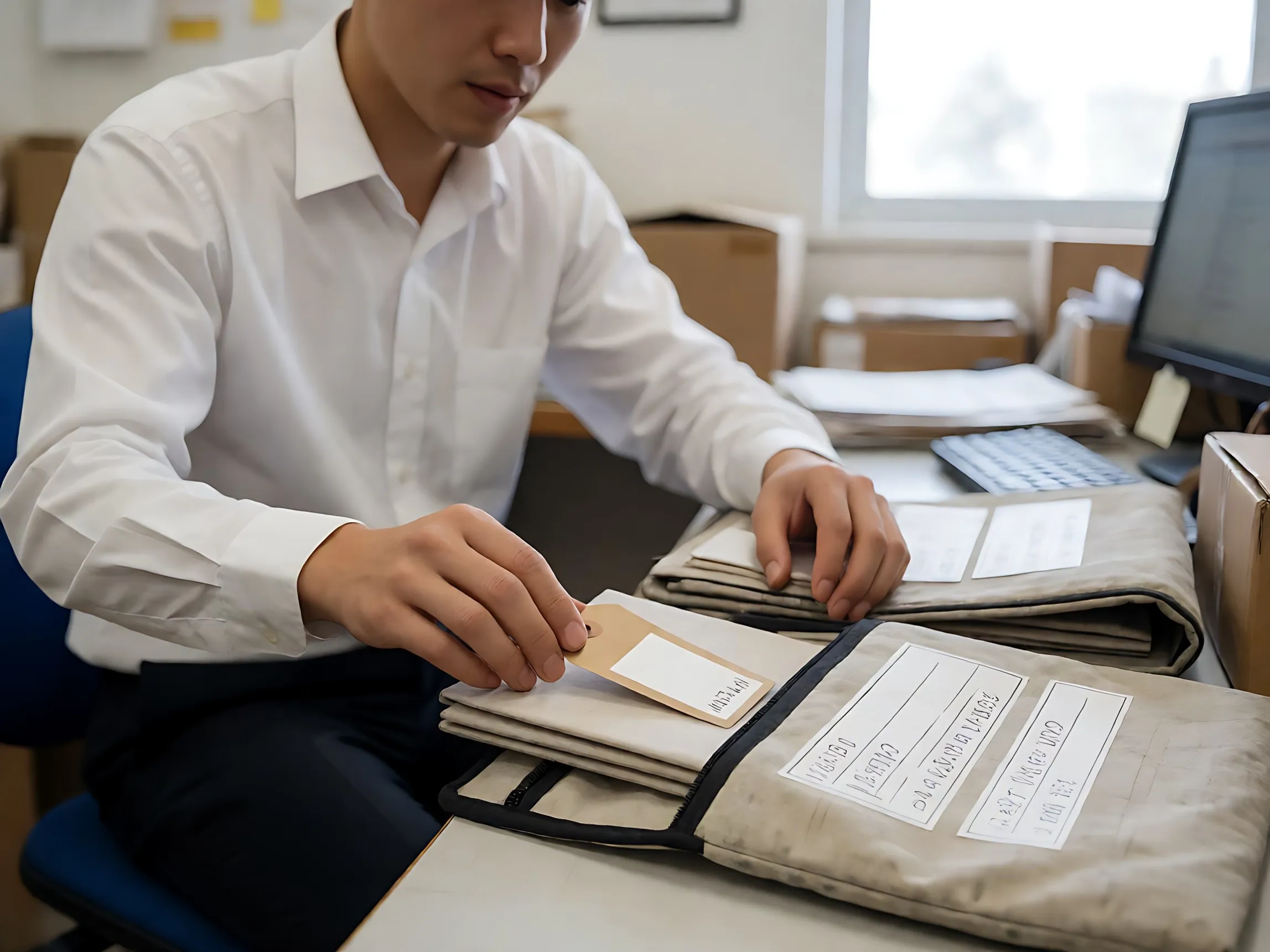
Convention splits it three ways: development samples at [XX] each, PP samples at [XX] commonly credited against the bulk order, and shipment samples carried by the supplier as part of the run. The detail that matters more than the amount: who pays for a re-made sample when the first one fails a check. Agree that a remake for an out-of-spec sample is at supplier cost, and a remake for a changed mind is at yours — the same responsibility split that governs the whole order.
Take away: price the sample round, but negotiate the remake rule. The remake rule is where sample costs actually land.
Can you skip sampling to save time?
On a one-off run of a handful of garments, skipping is a legitimate risk decision — the exposure is small and the calendar is short. On anything meant to be worn repeatedly, re-ordered, or branded, skipping converts a controlled order into a lottery: custom goods cannot be restocked and resold, so a failed run is a write-off (
how to protect a non-returnable order
). The honest framing: sampling does not add lead time to a serious order; it replaces the re-run that follows an unsampled one.Take away: skip the sample on throwaway quantity, never on repeat quantity. The re-run costs more weeks than the sample round ever saves.
What does your signature on the sample lock in?
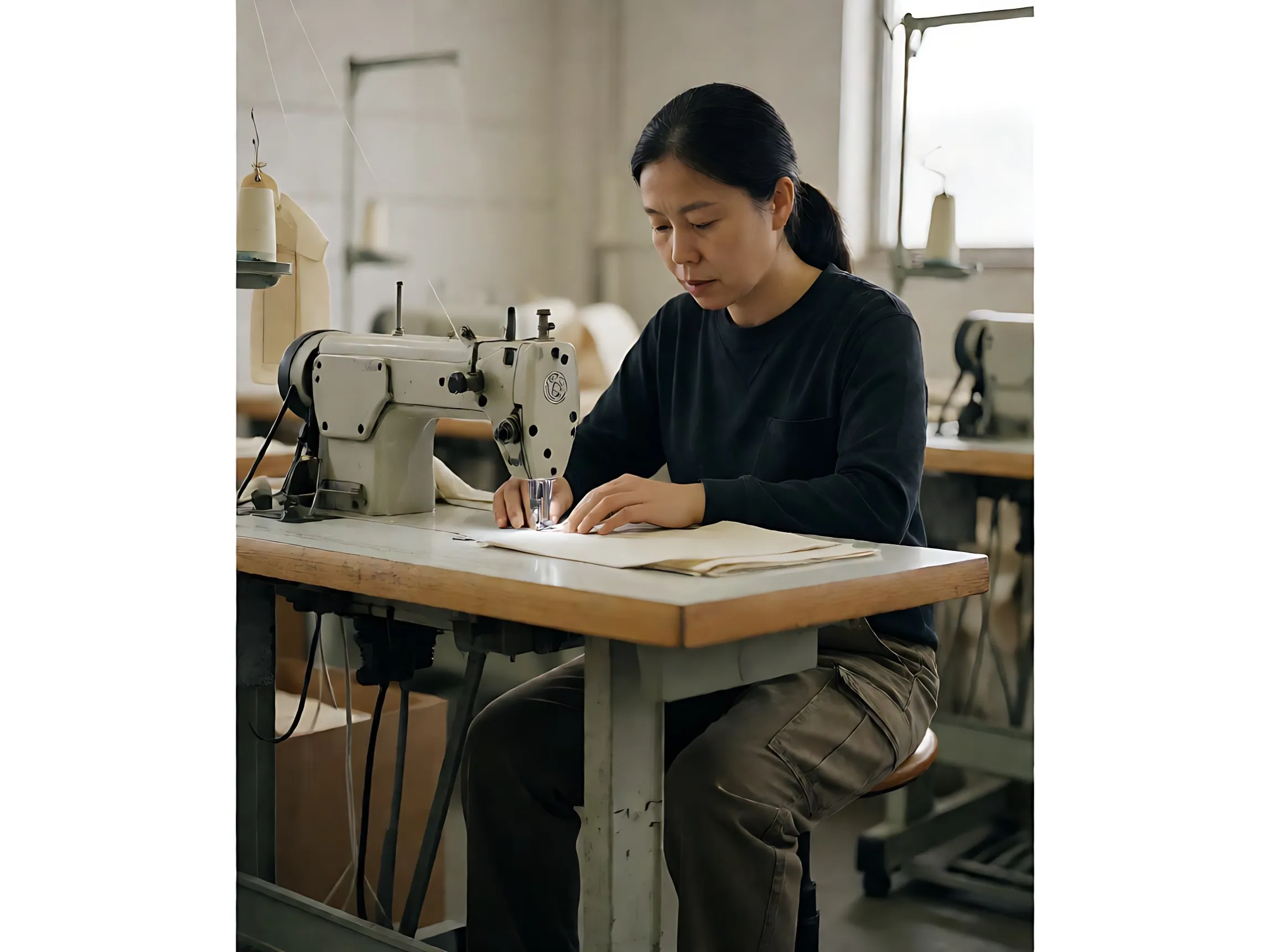
Everything on it — garment construction, fabric lot, colour, placement in centimetres, label and trim positions. After signature, changes are written variations with their own cost and delay, and bulk is judged against the signed piece, which is why one signed sample stays with each side. The signature also builds your reorder file: next round, the retained sample plus spec sheet restarts the order at the quote gate instead of the brief gate.
Take away: sign slowly, then defend the signature — it is the cheapest dispute-prevention instrument in the entire order, and it doubles as the reorder baseline.
Frequently Asked Questions
How is a PP sample different from a sales sample?
The sales sample persuades; the PP sample binds. It is made on the bulk fabric lot with the real decoration and trims, and once signed it becomes the benchmark bulk is inspected against.
Do I need a sample for a small order?
For a handful of one-off garments, skipping is a defensible risk call. For anything re-ordered or worn daily, no — unsampled custom orders fail as write-offs, because personalised goods cannot be restocked.
Who pays for samples?
Commonly [XX] for development samples and [XX] for the PP sample, frequently credited against bulk. The clause that matters more: remakes for out-of-spec samples sit with the supplier, remakes for changed minds with the buyer.
How many sample rounds should I budget for?
Plan [XX] rounds with one revision built in, [XX] days per round plus shipping. The revision you budget is schedule; the revision you discover is a slipped date.
What should I check on each sample?
Measurements against the POM sheet, fabric weight and blend, print placement in centimetres, colour against a physical reference, and a wash test on the twin — every check recorded as a number or a verdict, never an impression.
Can I skip sampling to save time?
Only on throwaway quantity. On repeat programmes the sample round is faster than the re-run it prevents — the calendar argument, not just the quality argument, is decisive.
What does a sample lock in?
Construction, fabric lot, colour, placement, trims and labels — everything on the signed piece becomes the acceptance benchmark, and changes after signature are written variations with a price and a delay.
Checklist: sign-off day
☐ Sample identified as PP, on bulk fabric
☐ All five tool-checks recorded (measure / fabric / placement / colour / wash)
☐ Photos taken with ruler and shade reference in frame
☐ Both sides hold a signed, dated sample
☐ Remake responsibility agreed in writing
☐ Spec sheet filed beside the sample for reorders
About to approve a sample and release bulk?
Request a Quote
— the sampling sequence, tolerance bands and sign-off artifacts come back with the order plan. Or start from the sample-kit route
to feel fabric and print quality first.FACTS