Oct 27, 2026
Private Label Trims: Minimums and Costs for Bulk Apparel | Motion
Private label is a stack of components, each with its own minimum and cost line. What woven labels, tagless printing, hangtags and branded packaging cost, and which trim pays off at which order size.
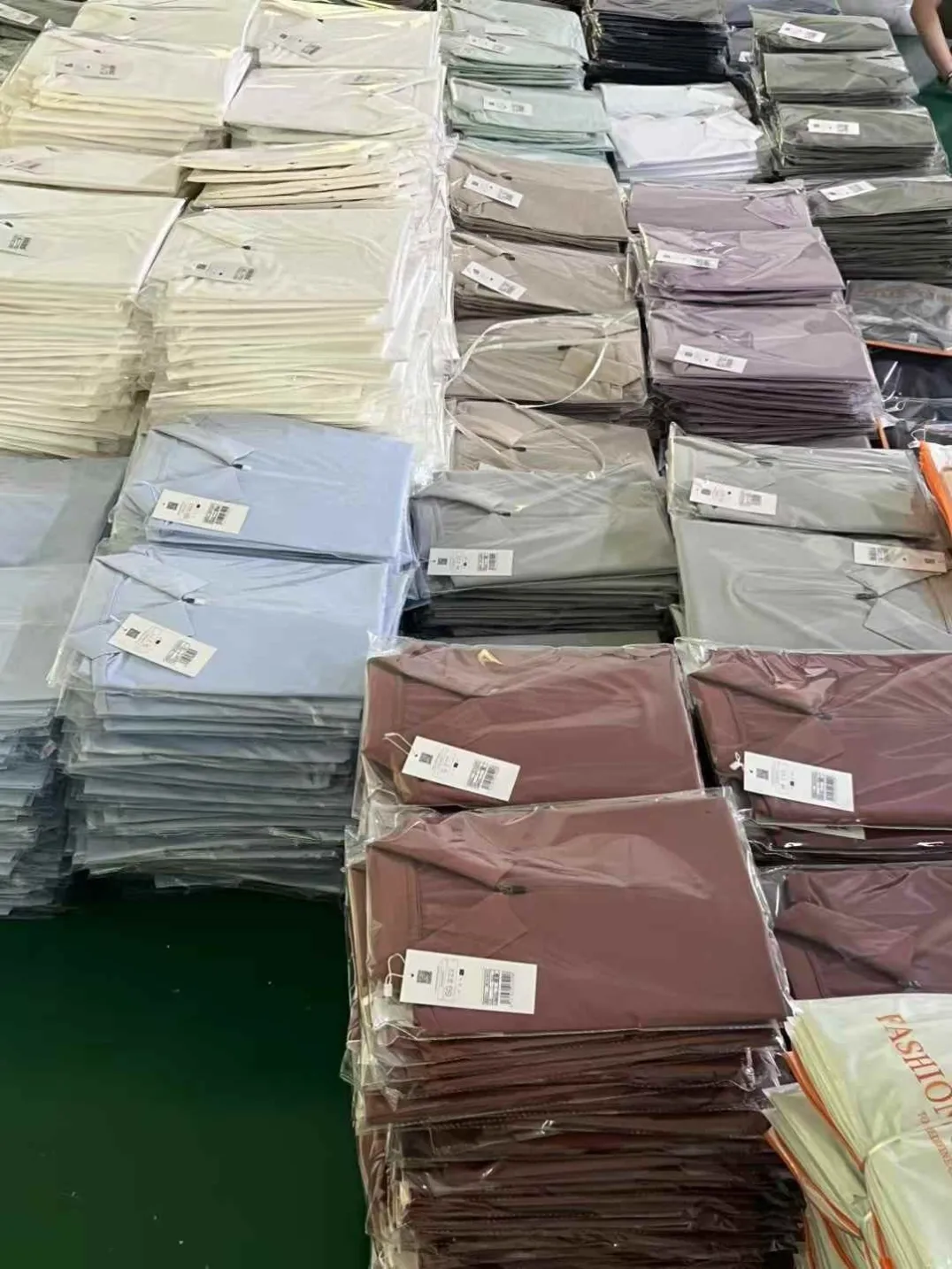
Private label is not one switch — it is a stack of components, each with its own minimum and its own cost line. A brand that knows which trim pays off at which order size spends the branding budget where it shows; one that orders the full stack on a first small run pays for components nobody sees. This article walks the stack, the minimums behind each part, and the order sizes where each starts to earn its keep.
The Trim Stack
Five components cover almost every private-label programme. The supplier's own branding is removed and each element below takes its place — the "why" of removing supplier branding is covered in private label vs supplier branding; this article is about the replacement parts.
• Component | What it is | Typical minimum | Cost shape
• Woven label | Fabric label sewn at collar or side seam | 500–1,000 pcs per design | Plate cost once, cents per unit after
• Tagless heat-transfer | Brand info printed directly inside the neck | 100–300 pcs per design | Low setup, cents per unit
• Hangtag | Card tag attached at the collar or sleeve | 500–1,000 pcs per design | Plate + per-tag print, string extra
• Printed polybag | Branding on the individual bag | 1,000+ pcs per design | Plate once, low per-unit
• Branded tape/stickers | Sealing tape or sticker seals on cartons and bags | Per run, low | Mostly per-run cost
Two structural notes before the numbers. First, minimums above are per design — a second label design is a second minimum, which is why one clean label design outlives three seasonal variants. Second, the garment's own minimum (30 pieces for screen printing, 5 for DTG/DTF on our floor, with styles and colours pooled to reach it) is separate from trim minimums: the trims do not follow the garments' pooling rules, because they are manufactured in their own runs.
What Pays Off at Which Order Size
The honest sequence for a growing brand:
- First orders, 30–100 pieces: tagless heat-transfer only. It carries the brand inside the collar at the lowest minimum, and it is where almost every programme should start.
- 300+ pieces per order, or a repeat programme: add the woven label. At this volume the plate cost amortises into cents, and a sewn label reads as "real brand" in a way print inside the neck does not.
- Established programme with retail or gifting exposure: hangtags and branded polybags. These earn money only when the person receiving the garment is not the person who ordered it — retail shelves, corporate gifting, team shops.
- Carton-level branding (tape, stickers) comes last: it impresses the warehouse, not the wearer.
Skipping steps is cheaper than rushing them. A first order of 50 pieces with a full trim stack has spent more on branding components than on some of the garments.
The Cost Shape: One-Time vs Per-Unit
Every trim splits into two lines, and knowing which is which explains the minimums:
- One-time plate/digitising — the label loom setup, the heat-transfer screen, the hangtag die. This is the line the minimum exists to amortise, and it is usually quoted once per design.
- Per-unit cost — cents per label, per transfer, per tag. This is what the unit price carries after the first order.
The reorder economics follow directly: plates are kept on file for a retention period (commonly 12 months — confirm on your quote), so reorder number two carries the per-unit line but skips the plate. That is the same retention logic that governs screens and art files in reorder consistency — the whole economics of a repeat programme sit in what the supplier keeps on file.
For the unit-price impact of trims on the first order, the four-variable model in
what your unit price is made of
is the frame: trims move the "blank" variable and add their own setup line, and the per-unit effect shrinks as volume grows.How Trims Show Up on a Quote
Reading the trim lines on a quote takes thirty seconds once you know the shape:
• Quote line | What it covers | When it repeats
• Trim setup / plate — one-time | Label loom setup, transfer screens, hangtag die | Only after retention lapses or a new design
• Trim per-unit — per piece | Cents per label, transfer, tag sewn or applied | Every order
• Application labour — per piece | Sewing-in labels, tagging, stringing hangtags | Every order, quoted per component
• Trim stock balance — memo line | What remains on the shelf against your programme | Every confirmation
A quote that shows trims this way is programmatic; one that hides them inside a single unit price is deferring the conversation to the invoice — the same anatomy logic as setup fees and hidden costs. Ask for the split; it takes the supplier a minute and it makes reorder economics visible from order one.
Who Holds the Trim Stock
On a programme, the working arrangement is simple: the supplier holds the trim stock against the buyer's programme, consumes it on each run, and reports the balance at reorder time. This is what makes trims feel free after the first order — the plate exists, the label roll is on the shelf, and each run just draws from it.
Three rules keep the arrangement clean:
1. The first order pays for the trims — the plate and the minimum quantity land on order one, visibly, not hidden in unit prices.
2. The balance is tracked in writing — how many labels remain, which designs, at which retention date.
3. Design changes are new minimums — a rebrand mid-programme retires the old plates and buys a new stack. Worth knowing before the logo refresh.
For buyers coming to private label late — garments already ordered with supplier branding — the retrofit path is relabelling, which carries its own minimum (commonly 100–300 units) because each garment is opened and re-sewn by hand.
Frequently Asked Questions
What is the minimum for woven labels?
Commonly 500–1,000 pieces per design, because the label is woven on looms set up per design. That minimum is per label design, independent of the garment order size — which is why tagless printing is the small-order route.
Can I start private label on a 50-piece order?
Yes — with tagless heat-transfer. Its minimum sits around 100–300 per design and the setup is light, so a small first order can carry your brand inside the collar without buying a label programme. Add the woven label when the volume or repeat rate earns it.
How much does a woven label cost per unit?
After the plate, commonly a few cents — which is why the per-unit line disappears into the unit price at programme volume. The plate is the one-time line, and it is what the minimum amortises.
Do hangtags have a minimum too?
Yes — commonly 500–1,000 per design, same logic as woven labels: a die and print setup per design. Hangtags also add stringing labour per garment, so they belong to the stage where presentation has revenue attached.
Can trims be added on reorders?
Yes — if the plates are within retention and the stock exists, a reorder adds the woven label or hangtag as a per-unit line without paying setup again. Past the retention period, the plate is a new one-time cost.
Who stores the label stock between orders?
The supplier, against your programme — consumed per run, balance reported at reorder time. Get the balance in writing with each order confirmation so the shelf never surprises anyone mid-season.
Ready to put your brand inside the collar?
Tell us the order size and the branding you have in mind — we will return the trim stack that fits it, with minimums and per-unit costs as visible lines.