Oct 3, 2026
Print Durability: How to Check It Before a Bulk Order
Screen print, DTF and embroidery behave differently after washing. Learn which wash tests to request, what curing failure looks like, and how to set an acceptance standard before bulk production.
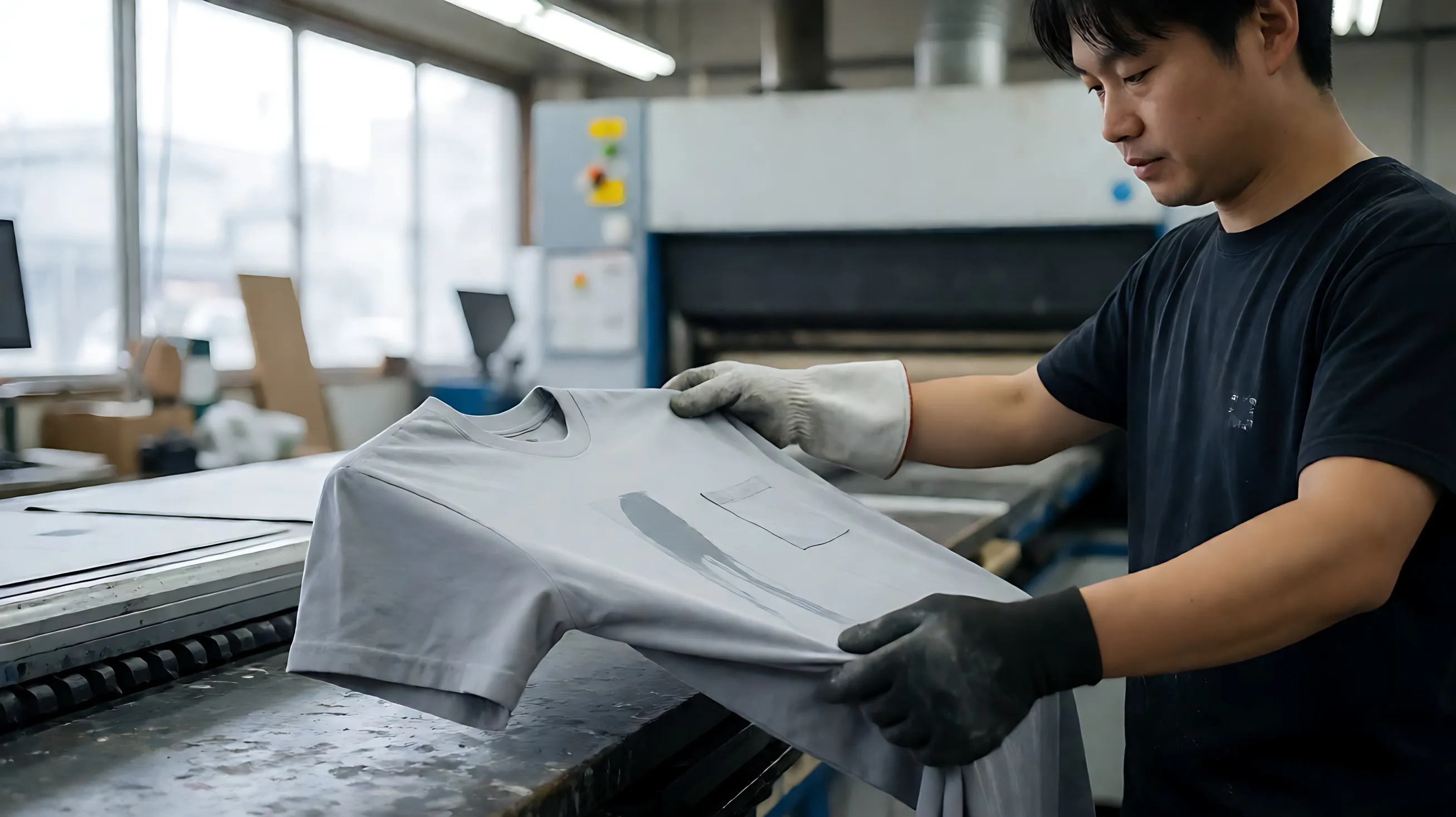
Short answer: because durability lives in process variables — curing temperature, dwell time, adhesion — that only reveal themselves in the laundry. A print can leave production flawless and be dead by the fifth wash. That is why peeling and lifting lettering rank among the most-mentioned negative themes in custom apparel reviews: buyers report lettering detaching within the first washes, sometimes on the first day of wear, on garments that looked perfect in the box. None of it is visible at handover without a plan.
Below: why prints fail late, how each method behaves across washes, the tests worth requesting, and how to write durability into an acceptance standard.
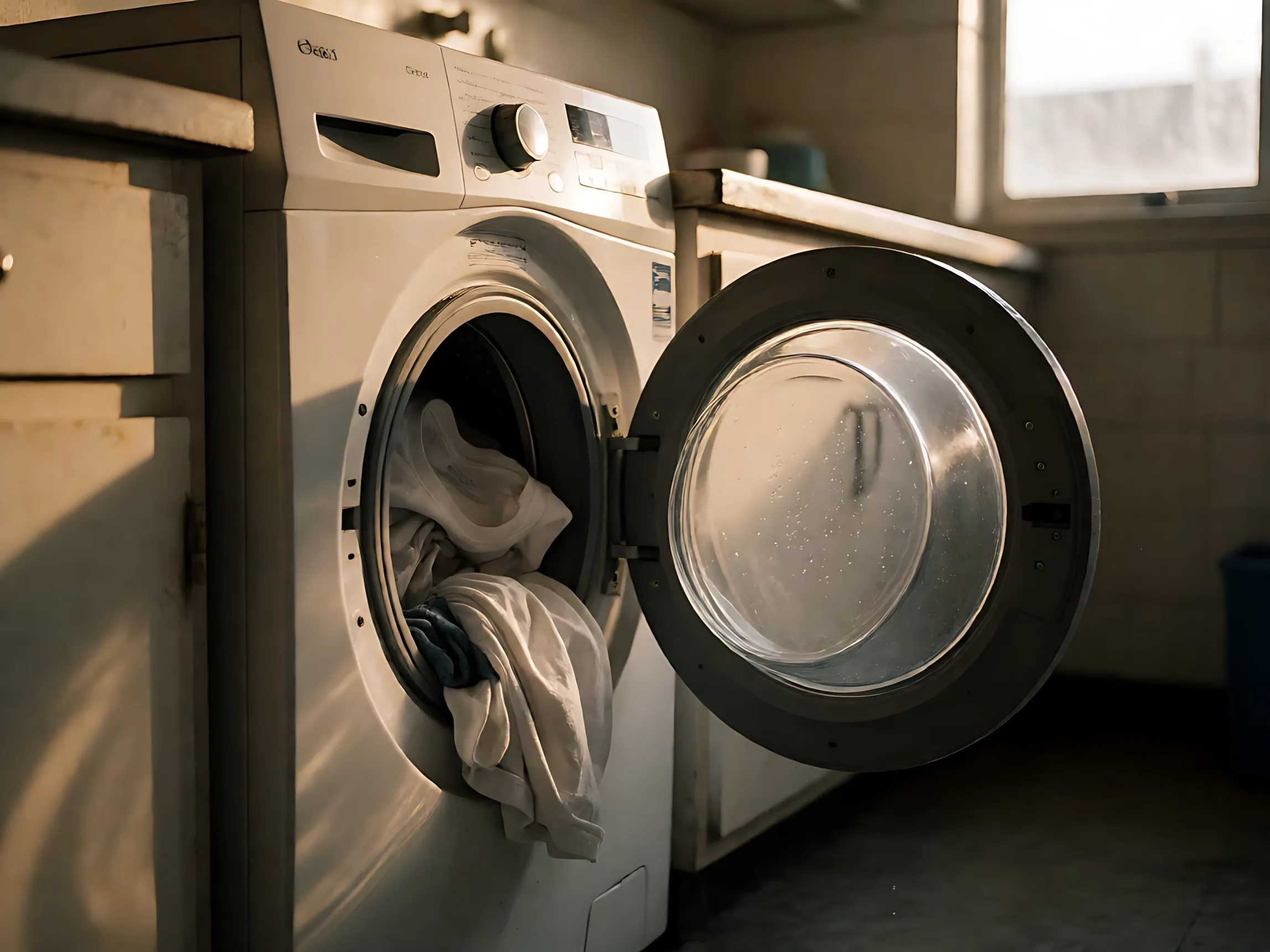
Why do prints fail after washing, not on day one?
Day-one quality and wash durability are different properties. A print can be perfectly registered, opaque and handsome while its ink film has never fully bonded to the fabric — under-cured ink looks finished and behaves like a sticker with a countdown.
Four forces do the delayed damage: incomplete curing at production; ink paired with the wrong fabric chemistry; household abuse — hot water, bleach, aggressive tumble drying; and commercial laundering, where hospitality and industrial uniforms face daily hot washes far harsher than any domestic cycle. In hot and humid markets across Southeast Asia, uniforms washed after every shift meet that commercial reality within the first week.
Take away: judge decoration by how it will be washed for its whole life. Identify the laundry regime first — domestic, industrial or both — and let it drive every durability decision.
How does each decoration method behave after [XX] washes?
• Plastisol screen printing sets the durability benchmark when properly cured; its failure mode is cracking from under-cure or age-hardening, visible first when the print is stretched.
• Water-based printing trades a softer hand for gradual fade — it thins elegantly rather than peeling, suiting fashion programmes more than industrial ones.
• DTF and heat-transfer vinyl are the classic peeling candidates — failure starts at edges and corners, and one lifted corner on a sample predicts the batch.
• Embroidery is thread, not ink: washing rarely kills it, but poor backing shows up as puckering that grows every cycle.
Ask what the print looks like after [XX] wash cycles for the specific method on your specific fabric — method and substrate together decide the answer, and any quote discussing one without the other is guessing.
Take away: durable methods cost more per unit. Paying embroidery rates for daily-hot-wash workwear is buying longevity; paying them for a one-day event run is buying waste.

What does curing failure look like — and why can't you see it?
Plastisol and transfer inks do not dry — they cure: the ink film must reach a target temperature and hold it through a dwell time, on every piece, in every colour. A tunnel running slightly cold produces beautiful, under-cured shirts at full speed, and the defect ships invisibly. Even experienced print shops publicly describe tracing mystery peeling back to curing equipment — weeks spent changing inks before anyone checked the thermometer.
True or false
✔ True: a stretch test catches under-cure on the spot. Stretch the printed area by hand — under-cured ink cracks immediately; a cured film flexes and returns.
✘ False: "there have never been problems" is a curing answer. A supplier who can describe temperature strips, probe checks and stretch pulls is describing a process; one who answers that there have never been problems is describing luck.
Which tests should you request before bulk?
Three low-tech tests expose most durability risk:
1. Wash test. The approval sample runs [XX] standard domestic cycles, then returns photographed beside an unwashed twin — ink lift, cracking, edge peel and colour bleed all surface here.
2. Rub test, wet and dry. A cloth rubbed against the print reveals crocking — colour transferring off the print, fatal when a dark print rubs onto a light collar.
3. Stretch test. Under-cured ink cracks on the spot; a cured film flexes and returns.
Run all three on the actual garment colour and fabric, not a convenient swatch. Expect the round to add [XX] days to sampling, and confirm any test fee in advance — many programmes credit it against a bulk order, but that is a question to ask.
Take away: if the order faces commercial laundering, request the wash test at industrial settings and say so in writing — a domestic-cycle pass says nothing about a hotel laundry.
How do you write durability into an acceptance standard?
"No peeling" is an opinion. An acceptance standard is a sentence a production line can work to: *no ink lift, cracking or edge peel visible at inspection distance after [XX] standard wash cycles on the approved sample*, assessed under the sampling logic of your
AQL inspection terms
, with affected units reprinted at supplier cost when the lot fails.Three clauses carry the weight: the wash-cycle count and settings; a pass/fail definition naming the failure modes; and the remedy path — reprint, credit or rework — agreed before the deposit, not negotiated after delivery.
Take away: write the standard once and attach it to every repeat order. Durability clauses cost nothing to include and are the only version of "quality" that survives a dispute.

What protects the print after delivery?
Half of print longevity is specified; the other half is communicated. Turn garments inside-out, wash cold, skip bleach, dry low or hang — printed on the care label, not lost in a welcome email. For uniform programmes, brief whoever runs the laundry: one bleach cycle undoes every specification in this article. Where uniforms face commercial laundering, specify a commercial-wash rating at order time so the decoration and the laundry regime match — the same regime-first thinking that governs
fabric choice in humid climates
.Take away: treat care instructions as part of the product, ordered with the garment, not improvised after the first complaint.
Frequently Asked Questions
Why is my printed logo peeling off after one wash?
Almost always adhesion: ink or transfer film that never fully cured, or a method mismatched to the fabric. A stretch test on a surviving piece shows cracking when the cause is under-cure — a production defect, not wear.
How many washes should a printed logo survive?
Set the number rather than hoping for one. A common acceptance standard is no visible degradation after [XX] standard wash cycles, written into the order; survival beyond depends on method, fabric and laundry regime.
Is embroidery more durable than screen printing?
Against washing, yes — thread does not peel. Its failure modes differ: puckering from poor backing, abrasion on high-friction placements. For daily-hot-wash workwear, embroidery or a well-cured screen print are the safe answers.
What is a wash test, and can I request one?
Yes — on the approval sample: [XX] standard cycles, photographed beside an unwashed reference, before you release bulk. State whether the garment faces domestic or commercial laundering so the test runs at the right settings.
Does print failure count as a defect or normal wear?
The line sits wherever your acceptance standard draws it: degradation inside the agreed wash-cycle count is a defect; degradation far beyond it is wear. Without a written count, every failure becomes an argument about laundry habits.
Should I wash test a sample before approving bulk?
On any programme where the garments outlive one wearing, yes. The test costs days; skipping it risks the whole order. Wash the sample the way the garments will actually be washed.
What care instructions should I give my staff?
Inside-out, cold wash, no bleach, low heat or hang-dry — printed on the care label and repeated to whoever operates the laundry.
Ordering uniforms that must survive the laundry?
Request a Quote
— decoration method, wash-test standard and care labelling agreed before production starts. Or compare programmes across the product range
.FACTS