Oct 3, 2026
Fabric for Hot and Humid Climates: What to Specify for Uniforms
Humidity changes how a fabric behaves: drying time, odour, wrinkles, shrinkage. What to specify for uniforms and jerseys across Southeast Asia.
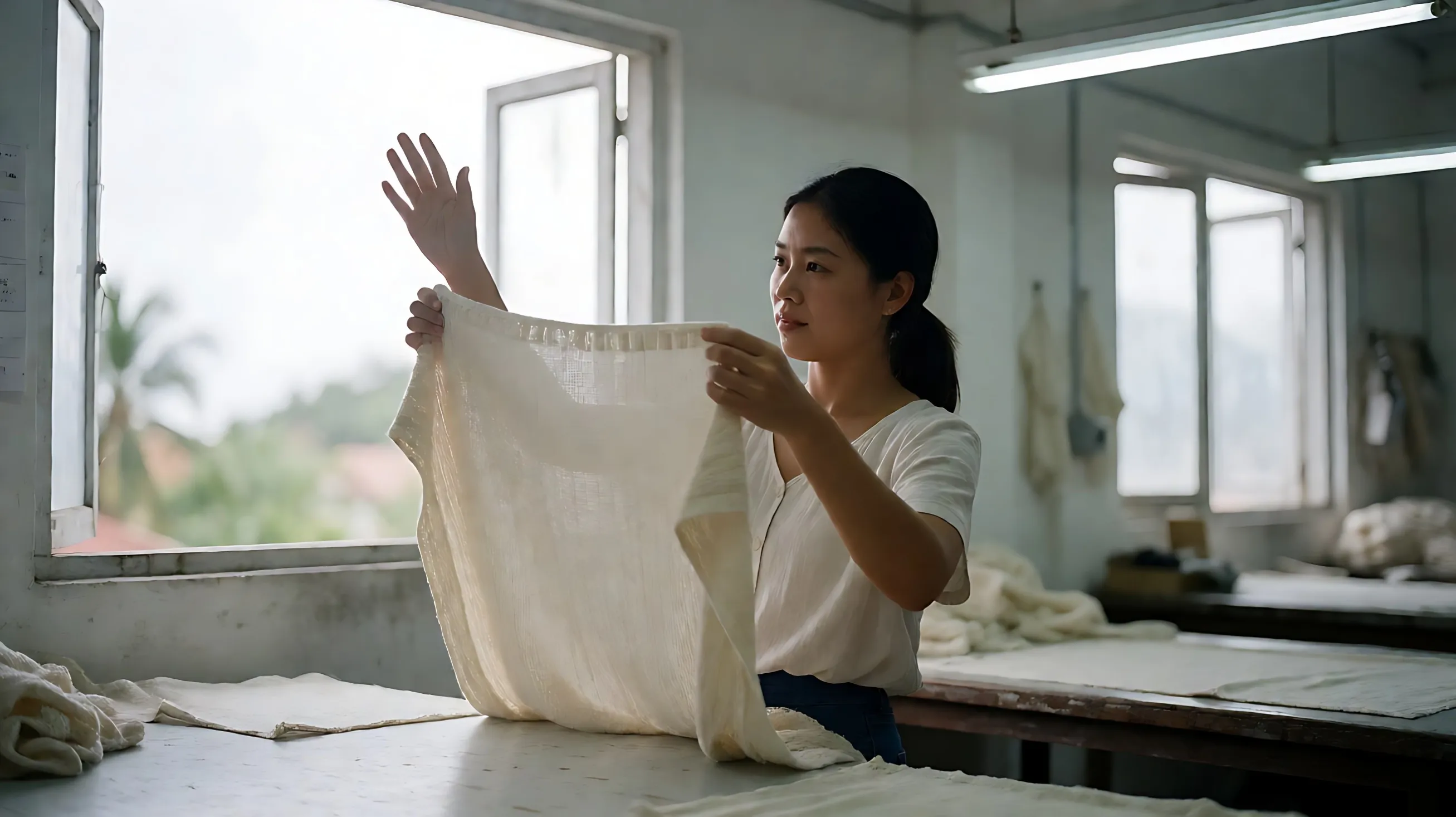
Short answer: for most roles, performance polyester or a quality poly-cotton — because humidity punishes absorbency, not price. A uniform spec chosen from a catalogue photo looks perfect and fails in the monsoon season: by afternoon it is clinging, creased and damp at the collar, and the buyer concludes the supplier sent the wrong fabric. The supplier sent exactly what was ordered — a spec written for a different climate. Humidity is a procurement variable, not a comfort detail.
Below: what humidity does to fabric, the four candidates and when each wins, what to ask before paying for "moisture-wicking", and a decision rule by role.
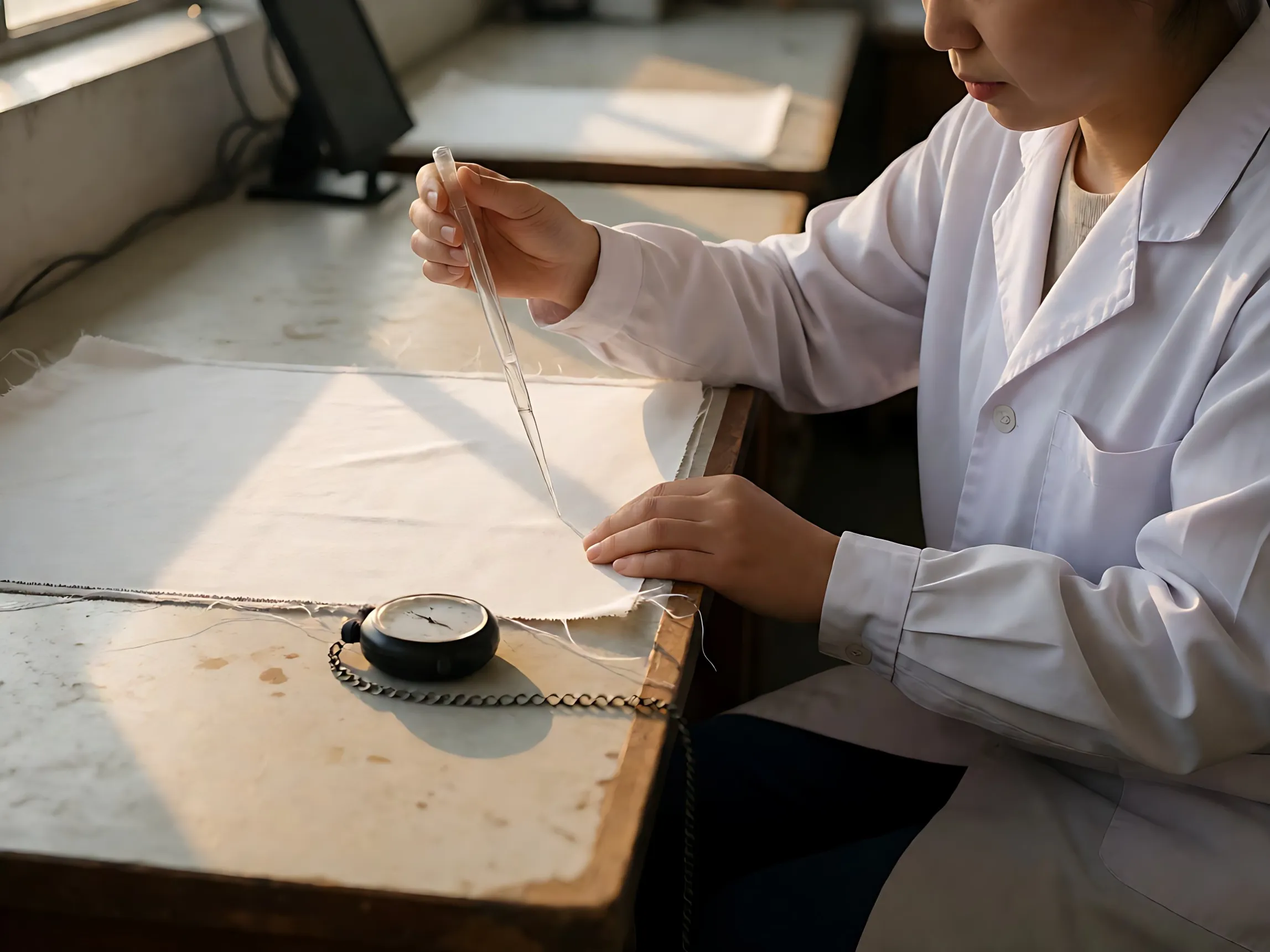
What does humidity actually do to fabric?
Four failure modes, all worse the more moisture a fabric absorbs and holds:
1. Slow drying → odour. A fabric that stays damp becomes a bacterial environment; by week two of daily wear, "it smells fine after washing" stops being true.
2. Cling. Moisture-heavy fabric sticks to skin and shows every wrinkle — the opposite of the crisp look a uniform exists to create.
3. Wrinkle set. Cotton absorbs humidity and sets creases; a shirt pressed at 7am reads rumpled by 10am.
4. Weight and comfort swing. A garment that gains moisture weight through the day feels hotter than its GSM suggested.
The behaviour splits on one property: absorbency. Cotton absorbs and holds moisture; polyester absorbs very little and dries fast — which is why the "polyester is cheap" instinct leads tropical buyers wrong.
True or false
✔ True: polyester's low absorbency — not its price — is what makes it the tropical workhorse. Wicking, fast drying and shape retention all follow from fibres that do not hold water.
✘ False: cotton is automatically the premium choice in hot climates. In dry heat its absorbency feels pleasant; in humid heat it holds sweat and stays damp — the exact failure mode the programme is paying to avoid.
Which fabric wins for which role?
• Fabric · Behaviour in humidity · Cost impact · When to use
• 100% cotton · Breathable but absorbs and holds moisture; wrinkles; can shrink · Baseline · Low-activity roles, premium hand-feel priority
• Poly-cotton blend · Partial wicking, wrinkles less than cotton, more than poly · Slightly above cotton · General staff wear; the default compromise
• Performance polyester · Wicks, dries fast, holds shape; cheap variants can hold odour · Above blends · Active roles, outdoor duty, jerseys
• Tri-blend · Soft, light, comfortable; less durable under industrial washing · Highest · Front-of-house and retail in moderate heat
Reading the table honestly: there is no "best fabric in humid climates" — there is a best fabric per role. A kitchen uniform and a lobby shirt fail in opposite ways.
Take away: fabric choice sets your unit price floor and your replacement cycle. Price per garment, decide per wear — the cheap cotton replaced twice as often is the expensive uniform.
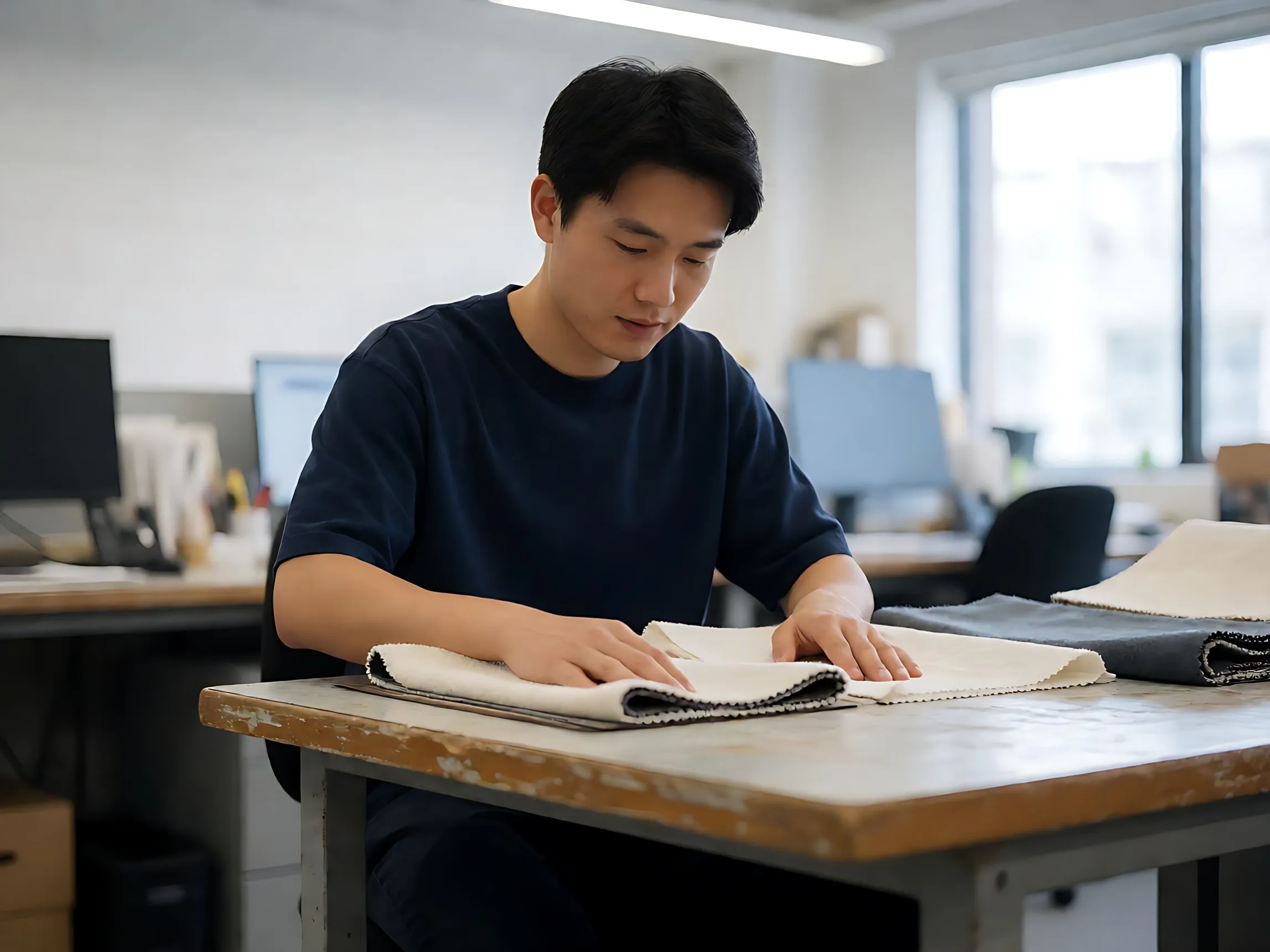
What should you ask before paying for "moisture-wicking"?
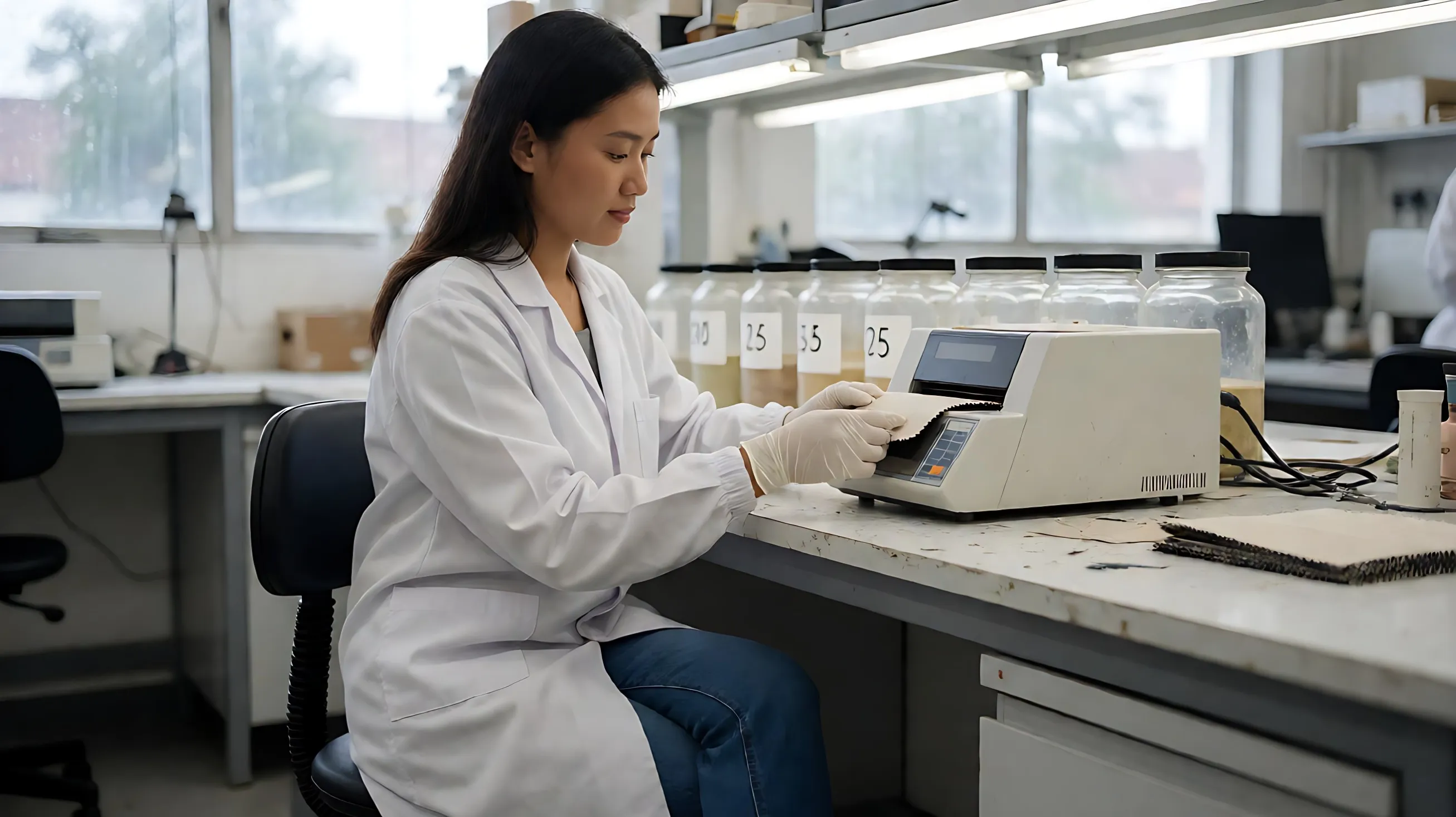
Wicking moves sweat off skin and dries fast — it is not absorbency (cotton is highly absorbent, and that is the problem). When a supplier says "moisture-wicking", ask three questions:
1. Is it the construction or a finish? Some wicking is built into the fibre and survives washing; some is a surface treatment with a finite life.
2. What happens after [XX] industrial washes? Ask for wash-test documentation — test documents are available upon request, and a supplier with nothing to show is a data point in itself.
3. What is the odour story? Budget polyesters can hold odour permanently — the failure that ends programmes quietly, one complaint at a time.
Take away: pay for true performance poly when the role is active or outdoor. A poly-cotton is enough for lobby, retail and office wear — and across a 200-person rollout the cost difference is real money.
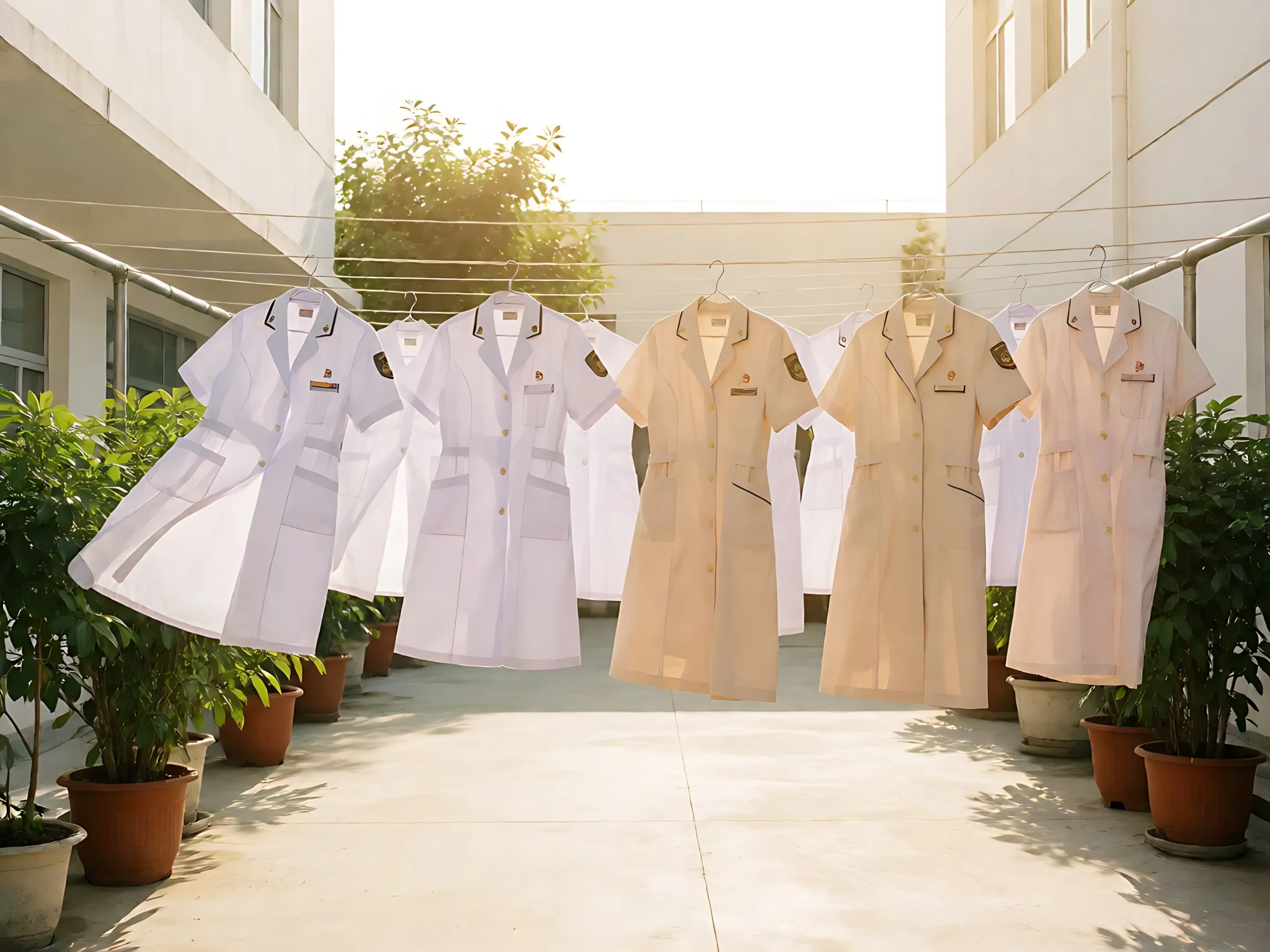
How heavy should the fabric be in the tropics?
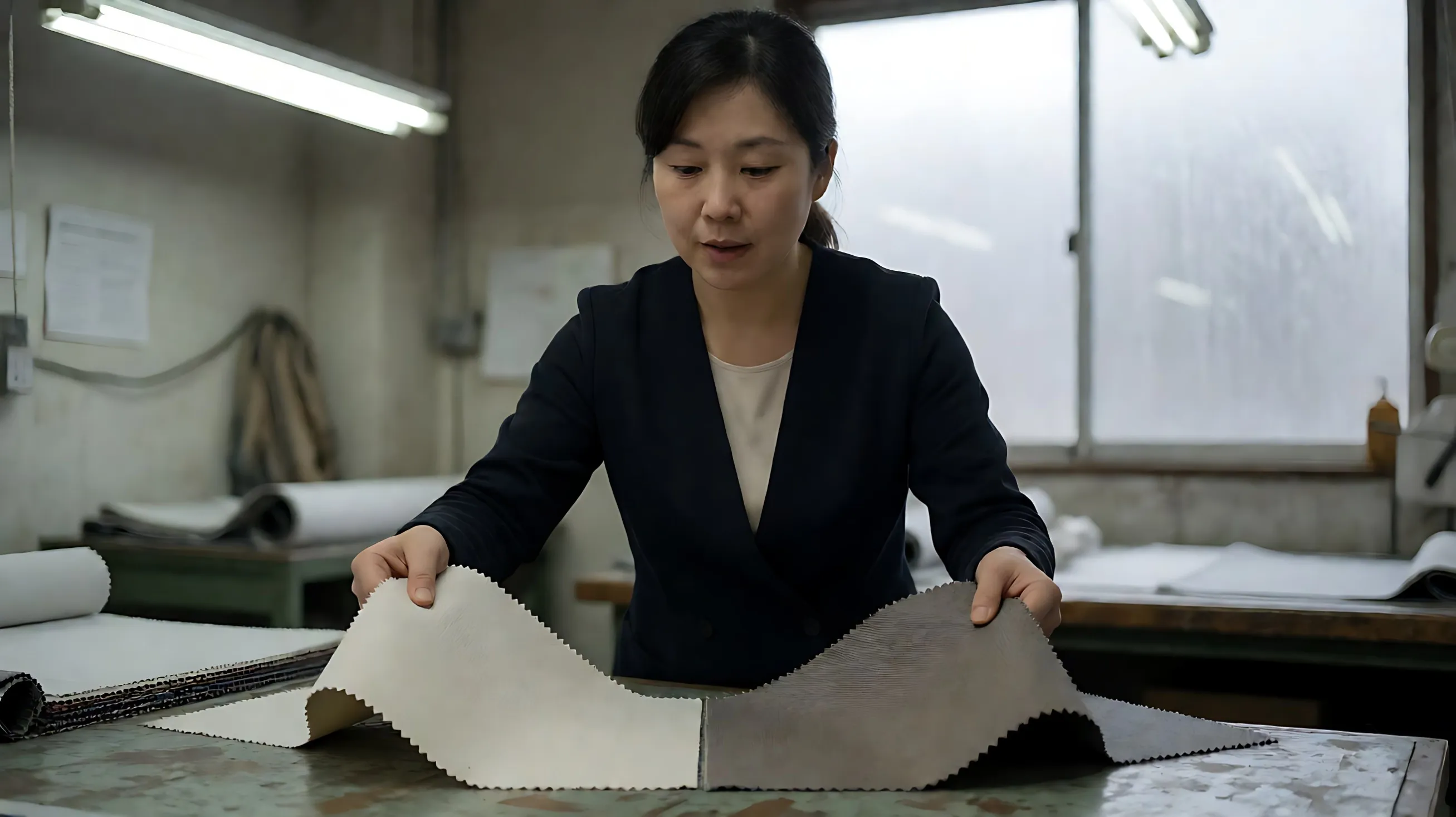
GSM is fabric weight, and humid-climate programmes run lower bands than temperate defaults ([XX]–[XX] gsm for shirts — confirm per order). But lighter is not automatically better: too light reads see-through under office lighting, clings when damp and wears through at the collar; too heavy holds more moisture, dries slower and feels hotter per hour. Match weight to role — mid-weight where laundering and abrasion dominate (kitchen, warehouse), the lighter end for field and delivery, front-of-house weighted toward appearance retention. When in doubt between two weights, take the better durability spec at the lighter band — and verify it in a wash test, not on a spec sheet.
What does industrial washing change?
Tropical programmes launder hot, wash frequently and often line-dry in humidity — the three harshest conditions a fabric can face. Before a bulk order:
1. Wash-test the actual fabric + decoration combination — shrinkage, colourfastness, seam integrity, print adhesion.
2. Ask for shrinkage and colourfastness documents — available upon request — and file them with your spec so reorders are held to the same result.
3. Compare cost per wear, not unit price: a garment that survives [XX] more wash cycles per dollar is the cheaper uniform, whatever the quote says.
Take away: wash performance is where fabric choice turns into budget. A small saving per piece that costs one full replacement cycle is a deferred cost with paperwork.
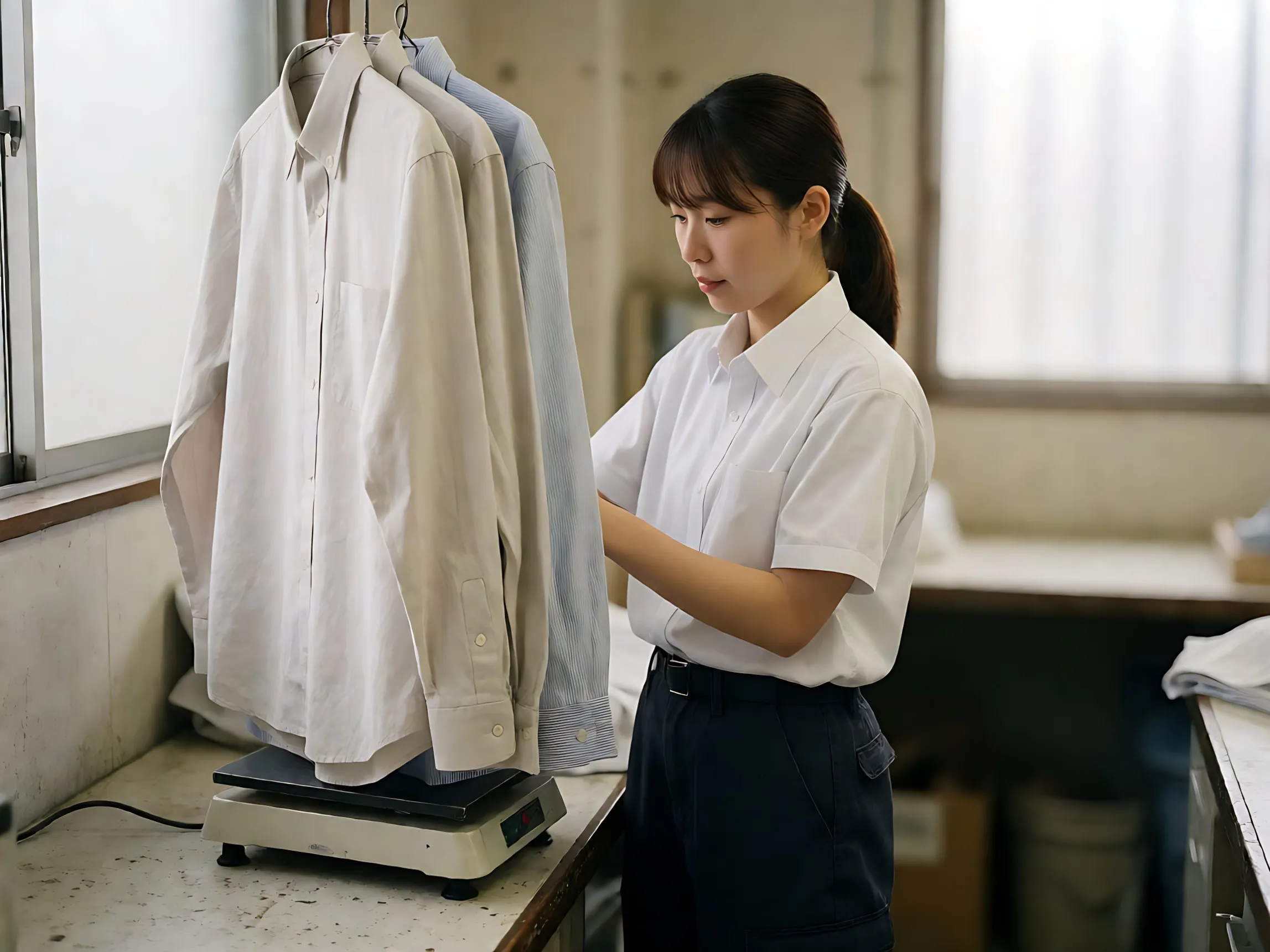
The decision rule, by role
• Role · First choice · Why
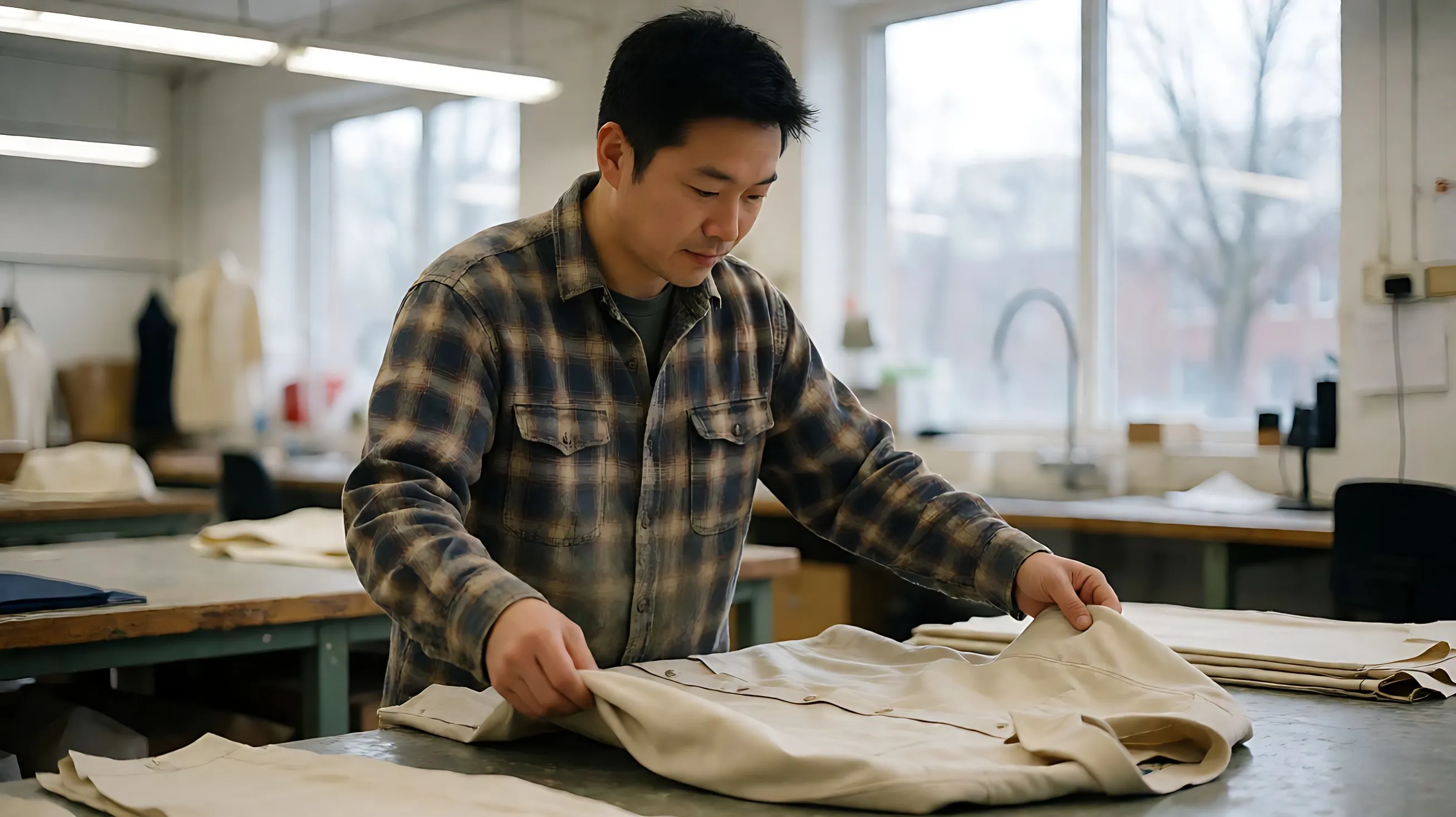
• Front-of-house (hotel, F&B, retail) · Poly-cotton or tri-blend · Appearance retention, moderate movement
• Kitchen & housekeeping · Mid-weight performance poly · Survives hot industrial wash, dries fast between shifts
• Field, logistics, delivery · Light performance poly · Wicking and quick-dry through outdoor shifts
• Team jerseys & active programmes · Performance poly (sublimation-friendly) · Wicking plus full-colour decoration
One programme, one fabric per role — not one fabric per company. Consistency of branding across roles, variety of fabric across roles. That is what keeps both finance and the staff wearing it satisfied.
Frequently Asked Questions
What is the best fabric for uniforms in a humid climate?
For most roles, performance polyester or a quality poly-cotton: low moisture absorption, fast drying, shape retention. The exact pick depends on how active the role is — see the decision table above.
Is cotton or polyester better for hot weather?
For dry heat, cotton's absorbency feels pleasant. In humid heat, cotton holds sweat and stays damp — wicking polyester performs better for active wear.
Does moisture-wicking fabric actually work?
Yes, when built into the fabric rather than sprayed on. Ask whether the wicking is fibre-level and how it performs after repeated industrial washing — test documents are available upon request.
What GSM should I choose for tropical uniforms?
Lighter than temperate defaults ([XX]–[XX] gsm band for shirts), matched to role: mid-weight where laundering dominates, lighter where all-day outdoor wear dominates.
Will the colour fade with daily hot washing?
Colourfastness varies by dye and fabric — precisely what a pre-bulk wash test and documented results (available upon request) are for. Decide on data, not on a swatch.
How do I test a fabric before ordering in bulk?
Wash-test the exact fabric and decoration combination through your real wash cycle, checking shrinkage, colour, seams and print. The
sampling checklist
covers where this sits in the approval chain.Are fabric test reports available?
Yes — certification and test documents are available upon request. Ask before the bulk order and file them with your spec for reorder consistency.
Specifying a programme for a humid market?
Request a Quote
— fabric, weight and wash-test plan are confirmed in writing before bulk. Or browse the product range
first.FACTS