Oct 3, 2026
Custom Apparel Lead Time: A Backwards Timeline From Your Delivery Date
Work backwards from your delivery date: artwork, sampling, approval, production, freight. Know the last day you can place the order and still make it.

Short answer: you only find out by building the timeline backwards from your delivery date through five stages — artwork, sampling, approval, production, freight. Your event date is fixed; your school term starts when it starts. So the useful question is never "how fast can you produce?" — it is "what is the last day I can place this order and still make it?" Answered honestly, that date is almost always earlier than buyers expect, and it is knowable on day one.
Below: the five stages, a worked backwards timeline you can copy, the five places timelines actually slip, and what money can and cannot compress.

What are the five stages between PO and delivery?
Every custom apparel order passes the same five stages. Durations are placeholders — confirm each stage in writing when you request your quote ([XX] on your specific order):
• Stage · What happens · Typical duration
• 1. Artwork & costing · Quote, design file prep, revisions · [XX] days
• 2. Sampling · Blank → decoration → pre-production sample, each shipped · [XX] days
• 3. Pre-production approval · Sign-off of specs, colours, size set · [XX] days
• 4. Production · Bulk run, incl. personalisation pass · [XX] days
• 5. Freight & customs · Air or sea transit + clearance · Air [XX] / Sea [XX] days by lane
Two structural notes before the math: sampling is the stage buyers underestimate — it is up to three rounds and each physical sample travels. And freight is not a buffer: sea especially does not compress because you are in a hurry.
How does the backwards timeline work?
Start from delivery day and subtract. Worked example — trade show with air freight:
• Working backwards · Subtracts · Date
• Event opens · — · Day 0
• Air freight + customs · [XX] days · Production must end by Day −[XX]
• Production · [XX] days · Pre-production approval by Day −[XX]
• Pre-production approval · [XX] days · Sample approved by Day −[XX]
• Sampling round(s) · [XX] days · Artwork final by Day −[XX]
• Artwork & costing · [XX] days · PO + deposit by Day −[XX]
School spirit week on sea freight: same structure, but sea adds [XX] days versus air, pushing the whole chain earlier by exactly that amount. Mode choice is a calendar decision before it is a cost decision.
True or false
✔ True: "PO by" is your real deadline, not the event date. Everything after that date belongs to the supplier's schedule; everything before it — artwork answers, sample shipping, roster, deposit — belongs to you.
✘ False: rush production can rescue a slipped timeline at any stage. Rush is a paid slot upgrade available only while capacity exists; bought late it is a premium on top of a premium, and the freight option may already be gone.
Where do timelines actually slip?
Five choke points cause almost every missed deadline — each with a one-line fix:
1. Artwork revisions. Round five of logo tweaks is where orders die. Fix: a revision cap and a final-artwork date at PO.
2. Sample shipping. Economy post on a sample costs a week you do not have. Fix: express on every sample, every time.
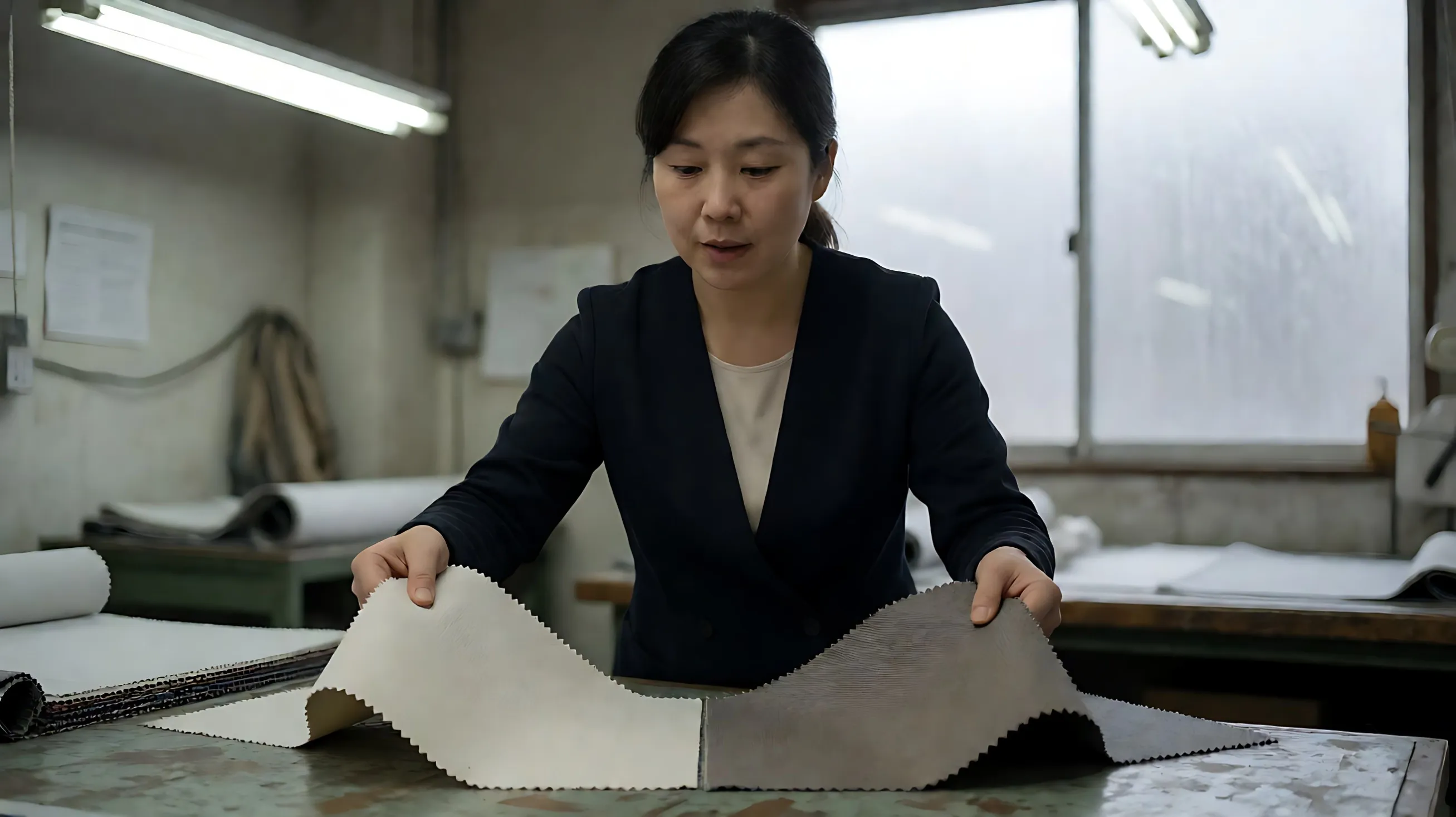
3. Colour approval. Approving colour from a phone screen is how "the blue is wrong" happens. Fix: physical standards — a fabric swatch or printed strike-off, not a JPEG.
4. Personalisation roster. The name list that arrives after production started. Fix: a written roster-lock date with stated consequences.
5. Payment release. Production slots are allocated on deposit receipt, not PO signature. Fix: treat "we sent the transfer" as Day 0 and build bank delay in.
Notice that four of the five are buyer-side. That is good news — they are the delays you control.
What can money compress — and what can't it?
Can buy speed: rush production (a paid slot upgrade, premium [XX] quoted case by case — cheapest bought at PO), air instead of sea (weeks replaced by days), and parallel steps such as blank sourcing while decoration is sampled — ask what can run in parallel; it is often days nobody counted.
Cannot be bought: sea transit time (physics), customs queues at destination (process), and an unapproved sample — no factory should start bulk against an unapproved spec, and if one offers to, that is a risk, not a favour.
Take away: buy speed early if you must buy it at all. The same urgency at sampling stage is small; at production stage it is a premium, and the freight option may be gone.


When does peak season move the whole timeline?
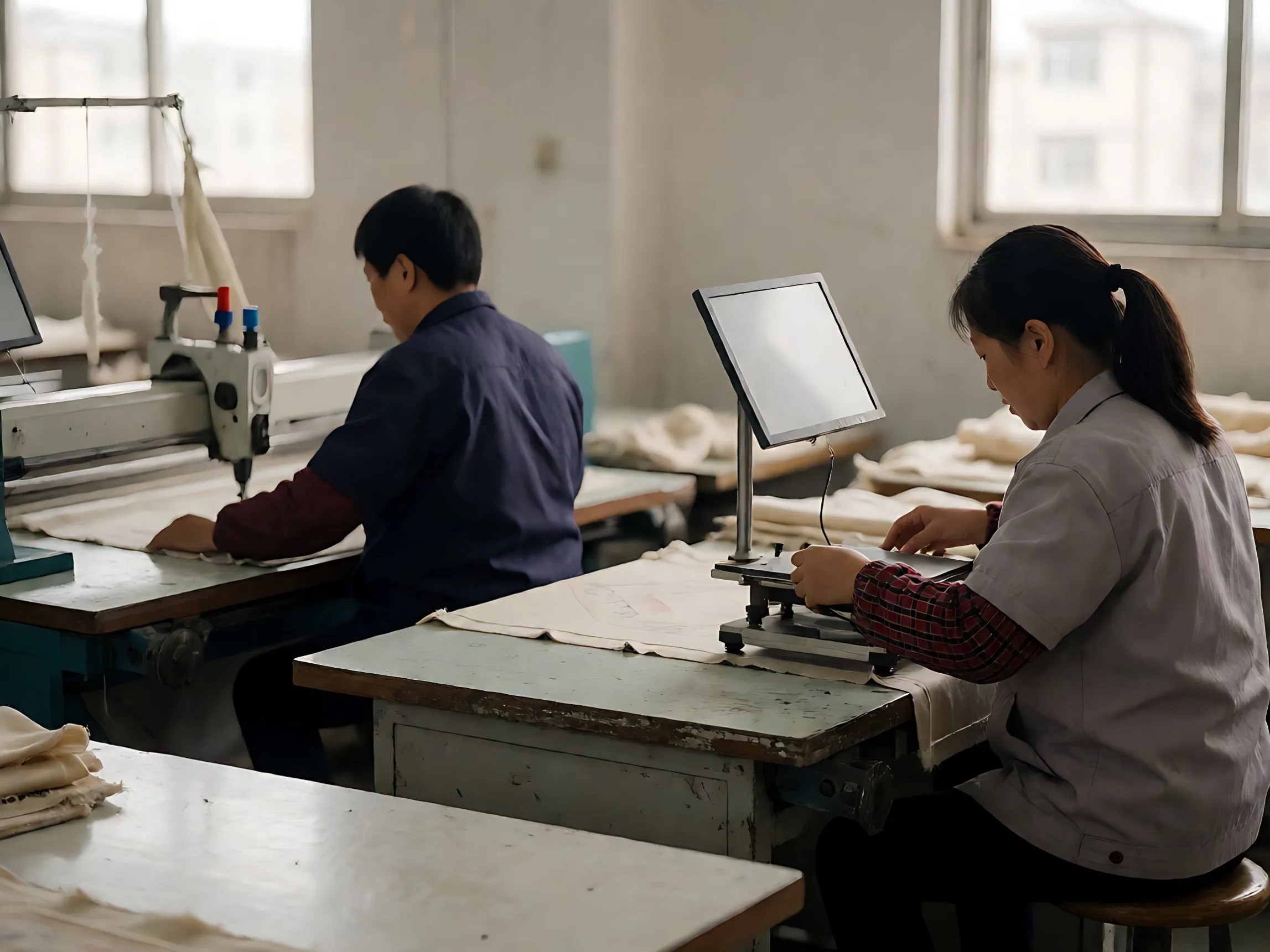
Capacity in the sourcing region tightens around major production holidays — Chinese New Year above all, with reduced schedules for weeks. Two rules keep you safe:
1. Ask for current cut-off dates per stage, in writing, for your specific order — cut-offs move year to year ([XX]).
2. If delivery sits within [XX] weeks of a major holiday, move the entire backwards timeline one planning cycle earlier — the stage durations themselves stretch, so the subtraction must start from longer figures.
Frequently Asked Questions
How long does custom apparel production take?
It depends on garment, decoration and quantity — [XX] days is quoted per order, in writing, at quote stage. Anyone who answers without your spec is guessing.
How much time does sampling add?
Budget the full round trip of sample production plus express shipping, per round ([XX] days in your quote). Skipping the pre-production sample is possible — and is how spec disputes start.
When should I order apparel for a trade show?
Build the backwards timeline from the show date: sea freight counts in months, air freight in weeks. The same method is set up on our
fixed deadline route
.Can rush production shorten the timeline?
Yes, for production — quoted case by case. It cannot shorten freight or approval steps, which is why it is the last lever, not the first.
Should I use sea freight if my delivery date is fixed?
Only if the backwards timeline says it fits — sea transit cannot be compressed after the fact. Check lane transit plus customs against your date; if the math fails, air is the lever left.
What is the last point where the schedule can still change?
Artwork lock. After final artwork the remaining stages are mechanical; before it, every revision reopens the whole chain. Protect the artwork date and you protect the delivery date.
Does personalisation extend production time?
It adds a pass over the run and, more importantly, a hard roster deadline. A late roster can cost more time than the printing itself — set the lock date at PO.
Working against a fixed date?
Request a Quote
— tell us the delivery date and we quote the timeline backwards, stage by stage. Or see the fixed deadline route
for how the method is set up.FACTS