Oct 3, 2026
Corporate Onboarding Kits: What to Include at Every Budget
Onboarding kits fail when the items are wrong, not the budget. Three kit configurations, sizing without the guesswork, and reorders after month one.
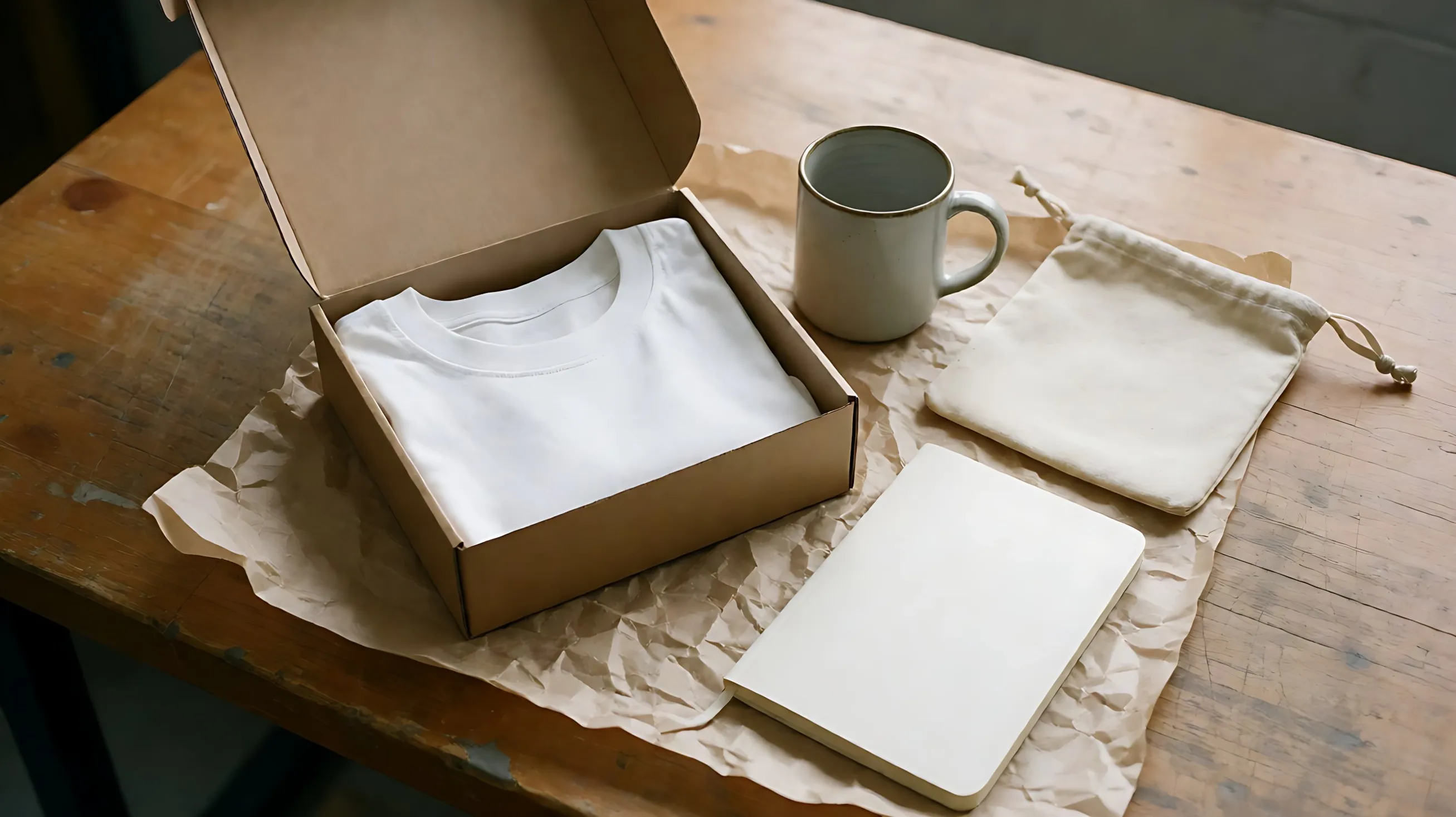
Short answer: one or two items the hire will actually wear on day 30, plus one or two practical non-wearables — chosen backwards from use, not forwards from budget. Most kit budgets are not wasted on cheap items. They are wasted on unworn items — the t-shirt in a size nobody checked, the cap that matched the design system but not anyone's head, the second polo duplicating the first. The kit was expensive; the drawer got it.
Below: the use-case test, three configurations by budget, the sizing system that removes guesswork, one branding rule, and the month-13 reorder reality.

Which kit configuration fits your hiring?
The same company can need three different kits, because the item mix follows the use case:
• Day-one desk kit. Worn at the office from day one — one or two wearable items, sized correctly, plus paper goods. Optimise for *fit certainty*.
• Event-week kit. Offsites, kickoffs, training weeks — more items, everyone wearing it simultaneously. Optimise for *cohesion in photos*.
• Remote-hire mailer. Ships to a home address, unboxes alone. Optimise for *shipping durability and unboxing order*.
Write down the scenario and the day-30 test before touching an item list — it changes what you buy more than the budget does.
• **Lean · Standard · Premium
• Wearable 1 · Branded tee · Branded tee · Embroidered polo
• Wearable 2 · — · Hoodie or crewneck · Hoodie
• Wearable 3 · — · — · Cap
• Non-wearable · Notebook or bottle · Bottle + notebook · Bottle + notebook + small goods
• Right for · High-volume hiring, field teams · Default for most offices · Client-facing and leadership
• Budget band · [XX]/kit · [XX]/kit · [XX]/kit
Two rules that survive any budget: fewer, better-worn items beat more, never-worn items; and when budget appears, upgrade the garment (a weight up, or embroidery) rather than adding a fourth item nobody asked for.
True or false
✔ True: a lean kit with one worn tee outperforms a five-item kit with one survivor. Wear rate, not item count, is what the budget is buying.
✘ False: premium kits mean more items. A premium kit is the same structure with better garments — the upgrade is visible on a worn item, not in the drawer.
How do you size a whole hiring pipeline without asking everyone twice?
Sizing kills more kit programmes than budget does. Three mechanics remove the guesswork:
1. Collect size at offer stage, with a proper size chart — HR already has the touchpoint; use it.
2. Order mixed sizes in one run. Minimums apply to the *order*, not per size — mixed sizes across XS–XXL count within one bulk order, so one person's 3XL costs no price penalty on everyone else's M (the same rule as
mixing sizes under a minimum
).3. Hold a spare ratio. Add roughly [XX] spares in the common sizes (M/L/XL) — new hires between ordering cycles get a kit from the shelf, not an apology.
If you cannot collect sizes in advance, bias toward forgiving fits — boxier tees over fitted cuts — and keep the spare ratio higher. The
size breakdown method
covers the full planning.Take away: fit forgiveness is cheaper than reprints.

What keeps a kit looking like one programme?
Cohesion comes from a systematic brand, not maximum logo:
• One primary placement repeated across items (same chest position, same size logic) beats five placements competing with each other.
• Match method to item: embroidery holds up on polos, hoodies and caps; screen print or DTG on tees.
• Two tiers, one system: leadership in embroidered polos and everyone else in printed tees works — as long as the logo lockup and colours are identical. Tier the *garment*, never the *brand*.
Take away: every additional placement is an additional setup line per item per order. One system, one placement, repeated — almost always the cheapest cohesive option.
What happens at month 13?
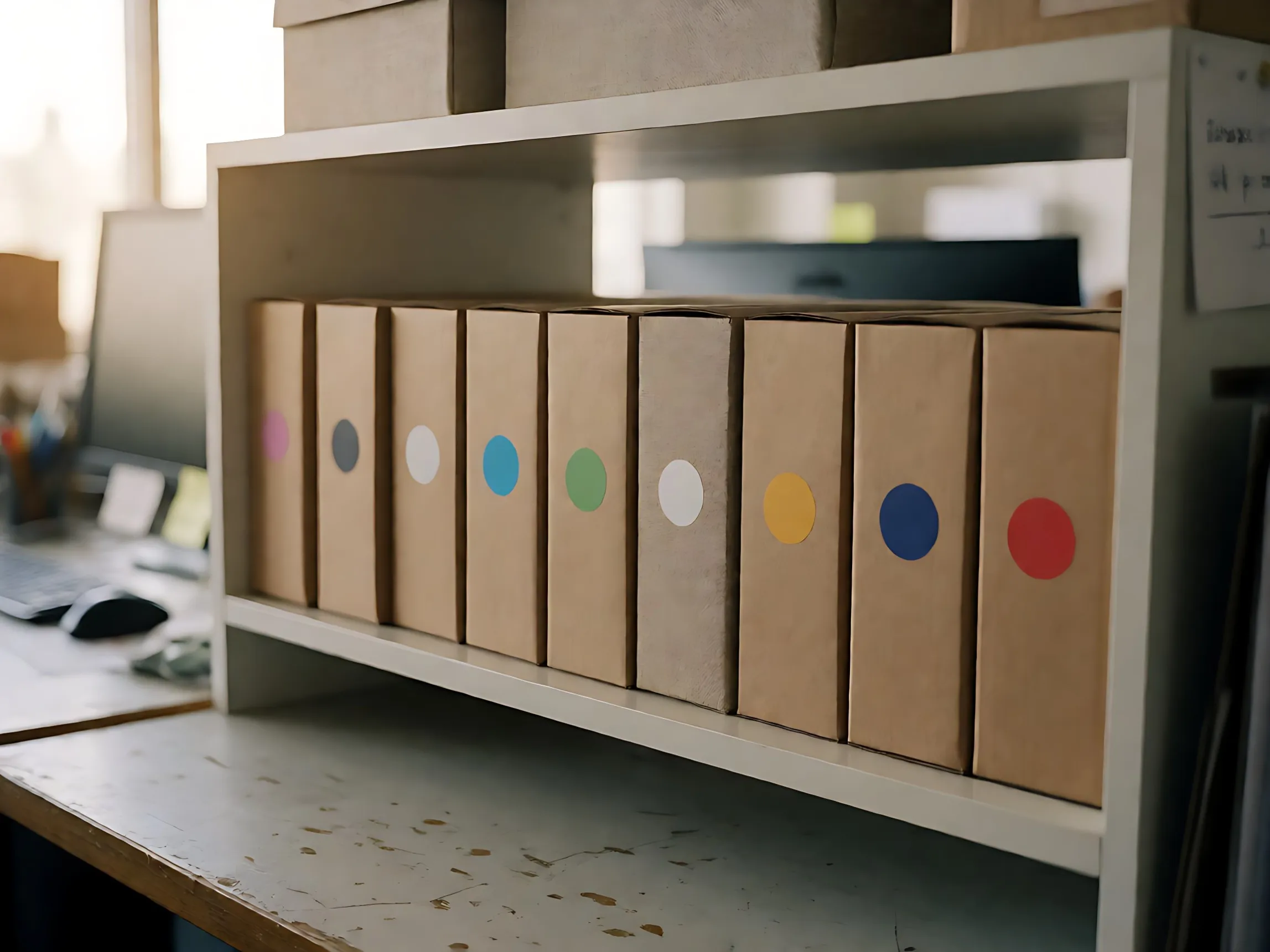
The kit is not one order; it is a rolling programme. Design for it at order one:
• Keep specs on file — blank model, fabric weight, Pantone references, decoration files, placement measurements — so the month-13 top-up matches without email archaeology.
• Reorder per item, not per kit. Tees run out faster than hoodies; caps get lost. Confirm per-item minimums up front ([XX]) so replacements follow attrition, not the hiring batch.
• Time reorders to hiring, not stock-outs. If you hire [XX] people a quarter, that cadence — with specs on file — is the whole programme.
Take away: if hiring runs more than a few people per quarter, treat the kit as a standing programme from day one: specs filed, per-item minimums confirmed, one account manager who has your history.

Frequently Asked Questions
What should an employee onboarding kit include?
One or two items the hire will actually wear (tee; hoodie or polo at higher tiers), plus one or two practical non-wearables. Run every candidate item through the day-30 test before adding it.
How much does a corporate onboarding kit cost?
Per-kit cost depends on garments, decoration and quantity — quoted per programme ([XX]). The three-configuration table above holds its structure at any budget.
How many items should a kit include?
Two to four total is the working range. Beyond that, wear rates drop fast — items four and five are where budgets go to drawers.
Can different departments get different kit items?
Yes — mixed items run fine within minimums per item style. Keep the branding system identical across departments; vary the garment, not the brand.
What is the minimum order for onboarding apparel?
Minimums apply per item style, not per kit ([XX] — confirmed in your quote). Mixed sizes count toward the same minimum, which is what makes kits workable for small teams.
How do we collect sizes from new hires before they start?
Collect at offer stage with a real size chart, and hold a spare ratio ([XX]) in common sizes for gaps. Between-cycle hires come off the shelf.
Can we reorder individual items later without redoing the kit?
Yes, when specs are on file and per-item minimums are met. Confirm both at first order — that is what makes month-13 top-ups match the original kit.
How early should we order before a start date?
Include sampling and approval time, not just production ([XX] days quoted per order). For cohort start dates, work backwards from induction day as you would for an event.
Setting up a kit programme, not just one order?
Request a Quote
— three configurations quoted per kit, specs filed for reorders. Or browse the product range
to pick the garments first.FACTS